Nepal imposes permit rule for filming at Everest Base Camp
One must seek prior approval to film or publish images as Nepal moves to regulate activity and improve oversight in the Khumbu region.
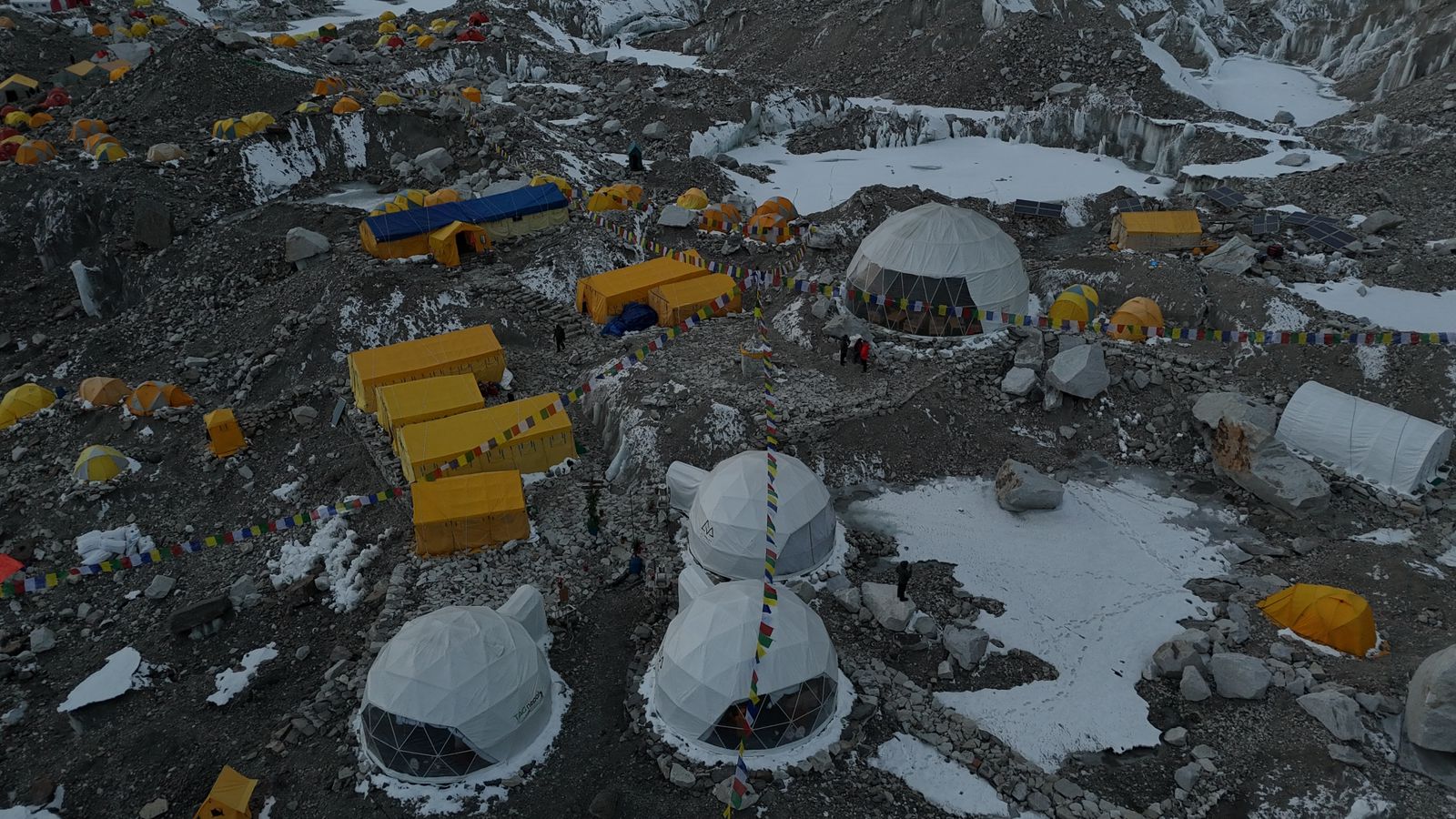
PC: Abiral Rai
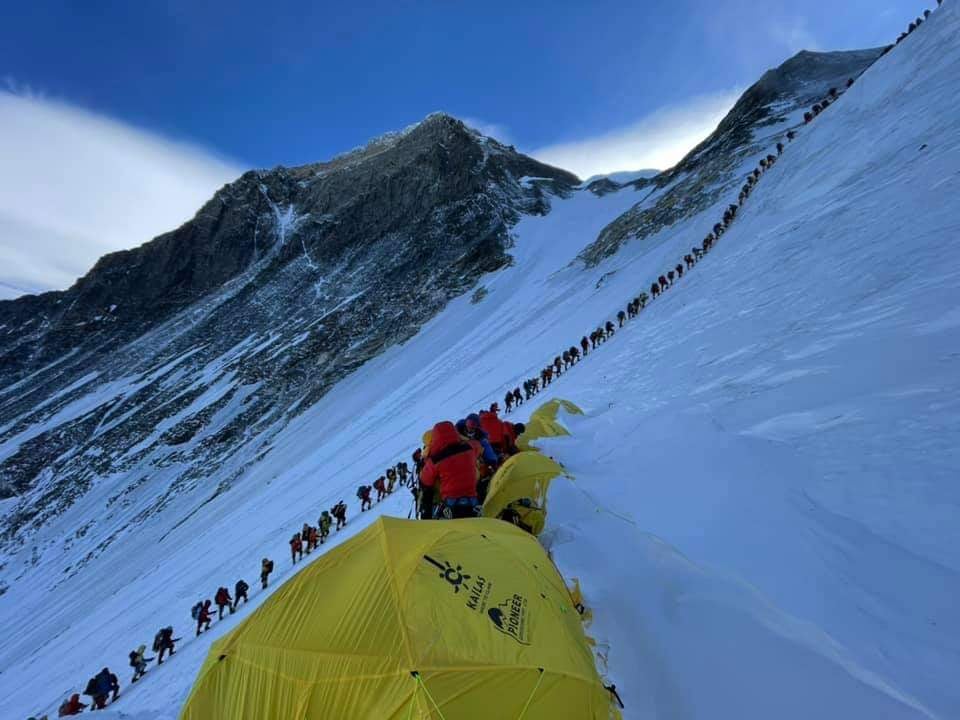
Nepal has tightened controls at Everest Base Camp, requiring climbers and expedition operators to obtain prior approval before taking or publishing photographs and video footage in the area.
The move follows the recent cancellation of flight clearances for Chinese- and American-made heavy-lift drones operating at the base camp.
The Department of Tourism said on Tuesday that permission must be secured before any images are captured, published or broadcast from Everest Base Camp and higher on the mountain.
“Without prior approval from this department, no photos or videos should be taken, published, or broadcast within the Sagarmatha (Everest) Base Camp area and above,” the notice said, adding that all information relating to activities in the area must be reported to a temporary field office.
An on-site office has been established at Base Camp to monitor, report on and co-ordinate expeditions. “This aims to ensure that mountaineering-related activities in the Khumbu region are conducted in an organised, safe, dignified and reliable manner,” the statement said.
For the climbing season, the office is led by the surveyor Khimlal Gautam, a member of the Nepali team that summited Everest in 2019 to measure the mountain’s height. Using satellite data gathered from the summit, the team confirmed the height at 8,848 metres.
Mr Gautam was unavailable for comment on the decision, which may prove difficult to enforce.
In 2021 the department attempted a similar prohibition on photography and filming of mountaineering activities on Everest, but the measure was not implemented. That year, officials also sought to make it compulsory for climbers to submit medical certificates attesting to their fitness, a requirement that was never enforced.
Officials said a rise in drone activity at Base Camp this year had prompted concern. The government has also authorised helicopters to ferry supplies to Camp II, raising the risk of interference.
“All activities carried out in the area by government bodies as well as private sector stakeholders are requested to remain within the framework of the prevailing laws and regulations related to mountaineering, including the Mountaineering Regulation, 2059 (2002),” the notice said.
Officials declined to comment further, saying the decision was intended to ensure consistency in the publication and dissemination of mountaineering-related information.
The Department had issued a similar circular on March. The directives required expedition operators and climbers to provide full disclosure of team members and support staff, with the appointment of a sardar, or expedition leader, mandatory at the time of application.
The measures followed a crackdown by Nepal Police on an alleged fake rescue scam involving trekking agencies, insurers, hospitals and guides accused of colluding to produce false documentation and insurance claims.
The latest directive also requires operators to submit verified details of climbers and support staff who have successfully summited peaks from Base Camp, including Everest, Lhotse, Nuptse, Pumori and Lingtren.