Nepal halts Chinese and U.S. drone flights at Mount Everest over security concerns
Flight clearances revoked as the Himalayas emerge as a testing ground for heavy-lift drones, raising security fears and delaying expeditions
PC: file photo
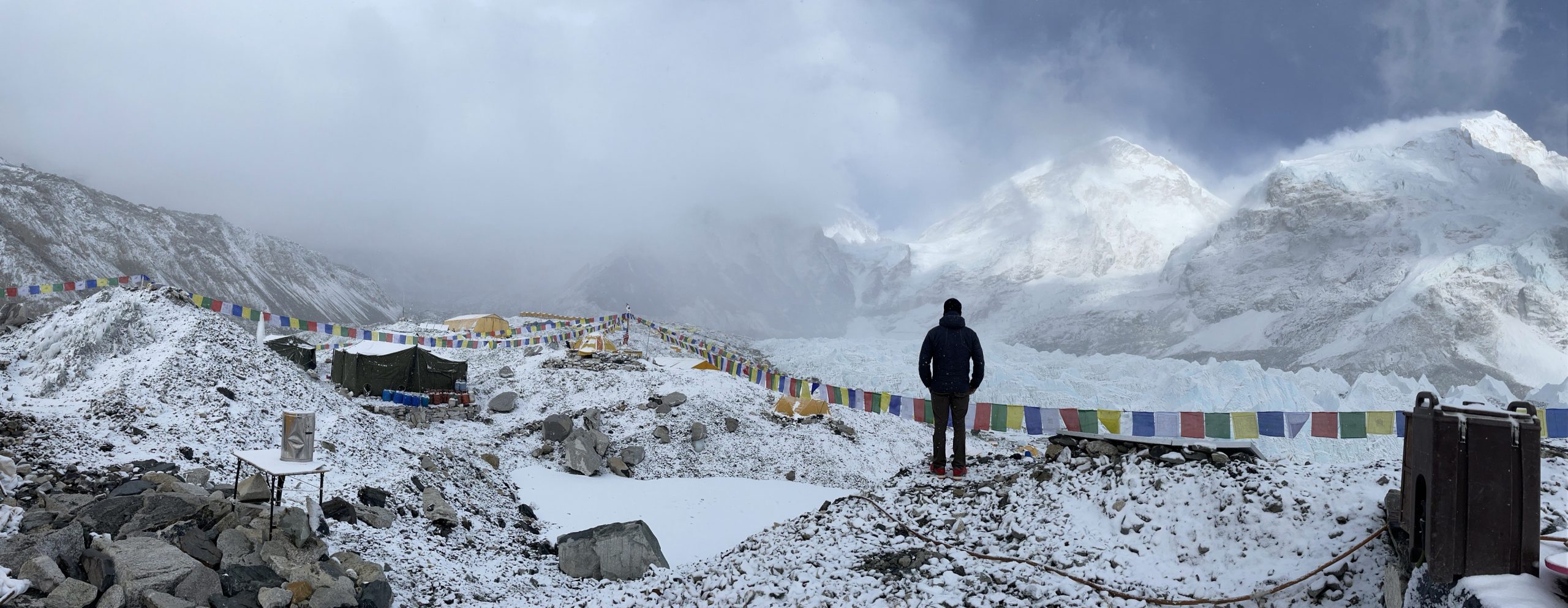
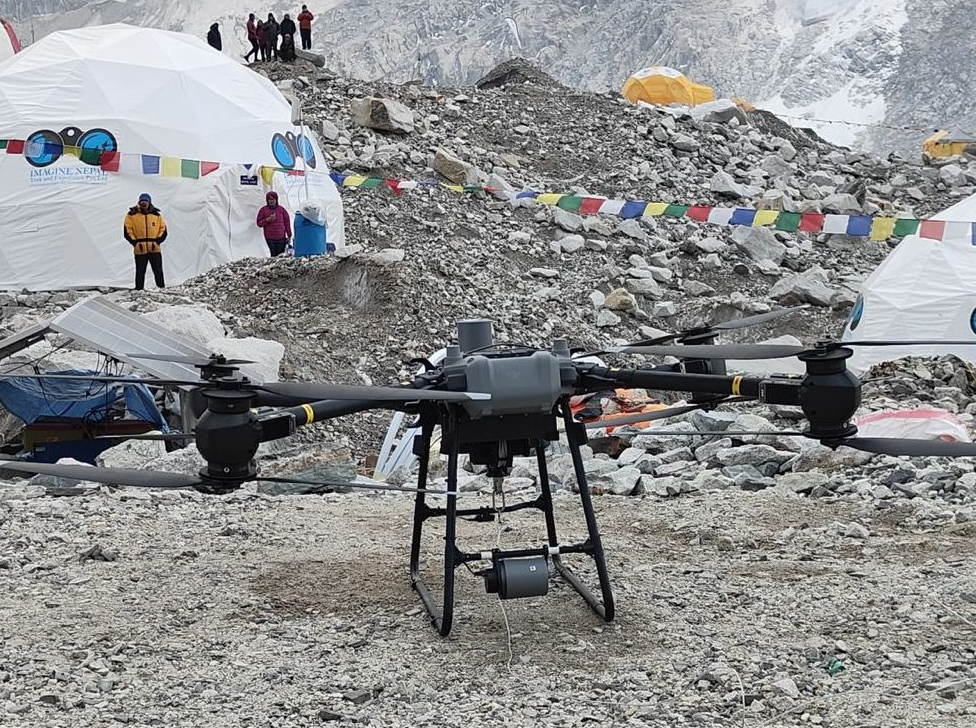
Nepal has revoked flight clearances for both Chinese- and U.S.-made heavy-lift drones at Everest Base Camp, halting high-altitude trials in the Himalayas that had increasingly turned the region into a testing ground for advanced aerial logistics.
The decision grounds DJI FlyCart drones already in use and blocks a newly introduced U.S. heavy-lift model Freefly Systems Alta X Gen 2, disrupting plans to deploy drone-supported supply and waste operations during the narrow climbing window.
Officials cited security sensitivities behind the move, effectively suspending a rare overlap of Chinese and American drone testing on the world’s highest peak as expedition delays continue to mount.
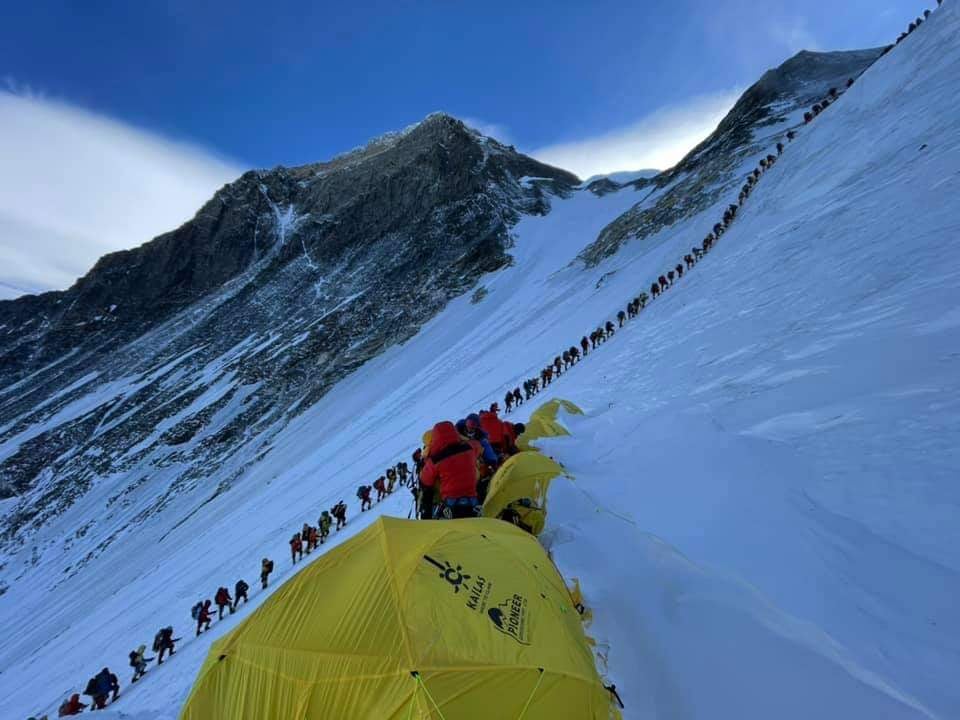
There have been two weeks of delays in opening the route through the Khumbu Icefall, while rope-laying above Camp II has yet to begin.
The drones were expected to ferry logistical supplies to higher camps to expedite rope-fixing to the summit of the world’s highest peak.
The Home Ministry informed Airlift Technology Pvt. Ltd. on Thursday that its flight clearance for the season had been cancelled.
On Friday, Sergio Gor, U.S. President Donald Trump’s special envoy for South and Central Asian affairs, unveiled the Alta X Gen 2, a heavy-lift drone, at Everest Base Camp. However, it was grounded after the federal government instructed local authorities not to grant flight clearance, citing “security sensitivities”.
The objective of the test was to assess the drone’s ability to transport cargo and waste at high altitudes. While the Alta X Gen 2 has a payload capacity of 15 kilograms at sea level, its performance in extreme environments remains unknown.
The government’s decision to revoke flight permission caught Airlift by surprise, as it has a trilateral MoU with the Sagarmatha Pollution Control Committee and the Khumbu Pasang Lhamu Rural Municipality for high-altitude waste removal.
“We were hired by Seven Summit Treks to operate the drone, as they required a pilot,” said Raj Bikram Maharjan, co-founder of Airlift Technology. “We had no involvement in the introduction of the new model or the broader project.”
Chinese-made DJI drones had been tested in coordination with local authorities. This is the third year DJI drones have been used to transport waste and aluminium ladders from the Khumbu Icefall.
Airlift Technology has been operating DJI FC100 drones, which have a payload capacity of 100 kilograms at sea level and approximately 40 kilograms at base camp altitude, according to the company.