Everest records busiest spring climbing season on record
Nearly 900 summits, record permit sales and rising fees make 2026 one of the most lucrative and crowded seasons in the history of Mount Everest
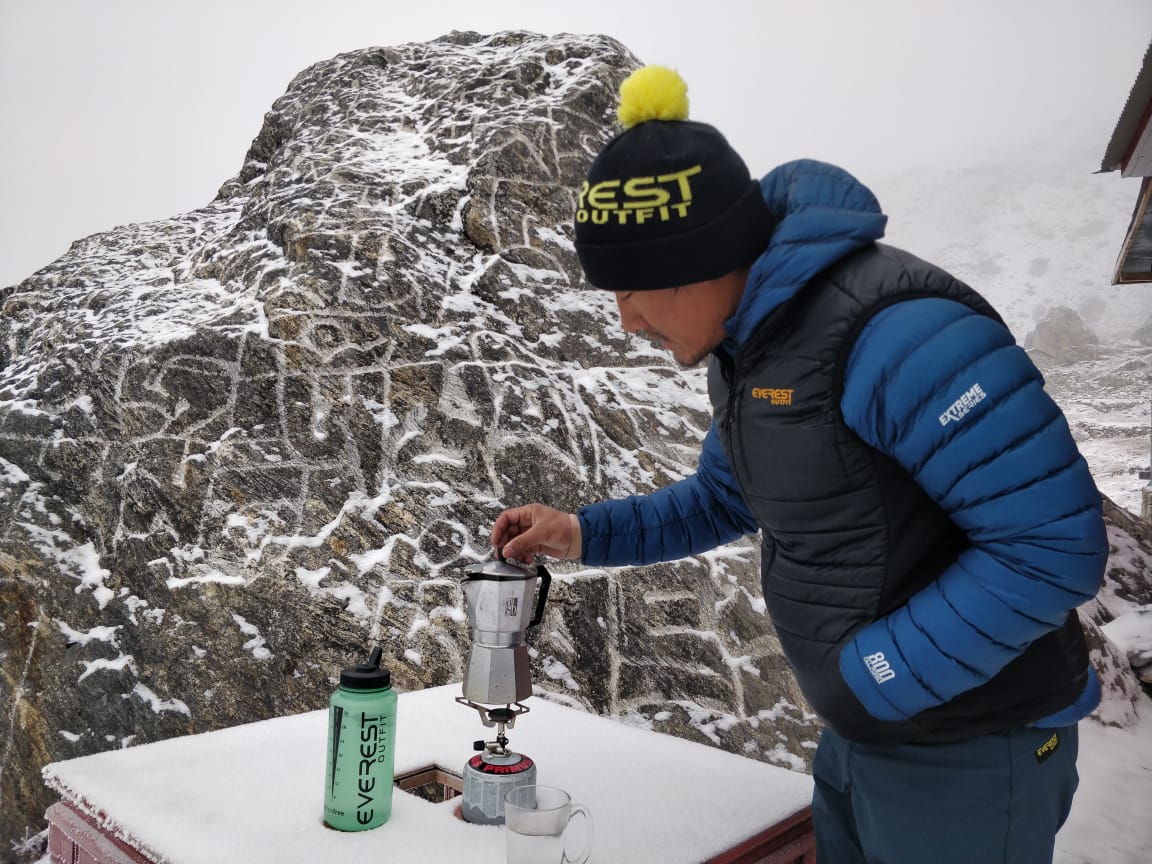
PC: Khimlal Gautam
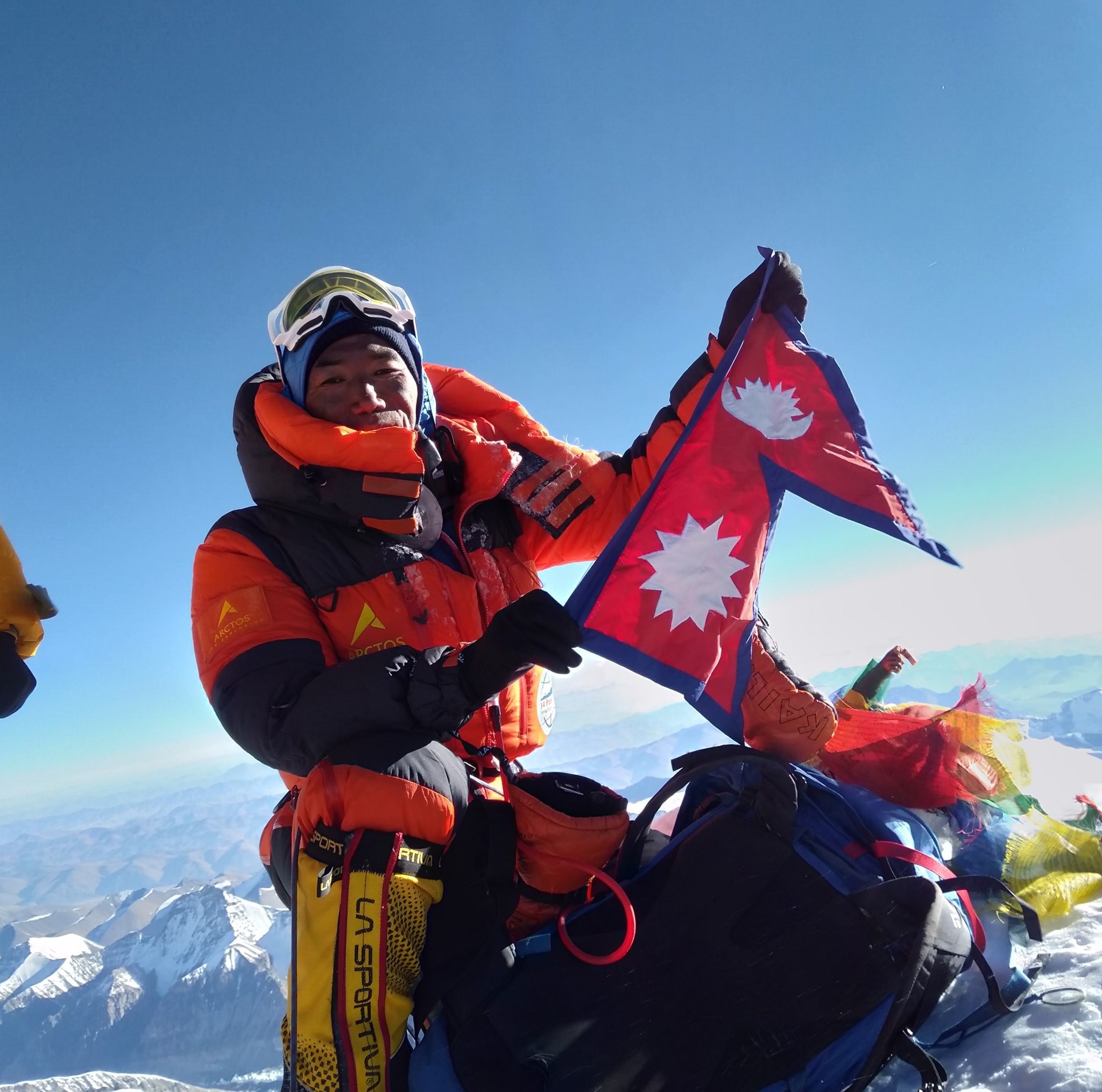
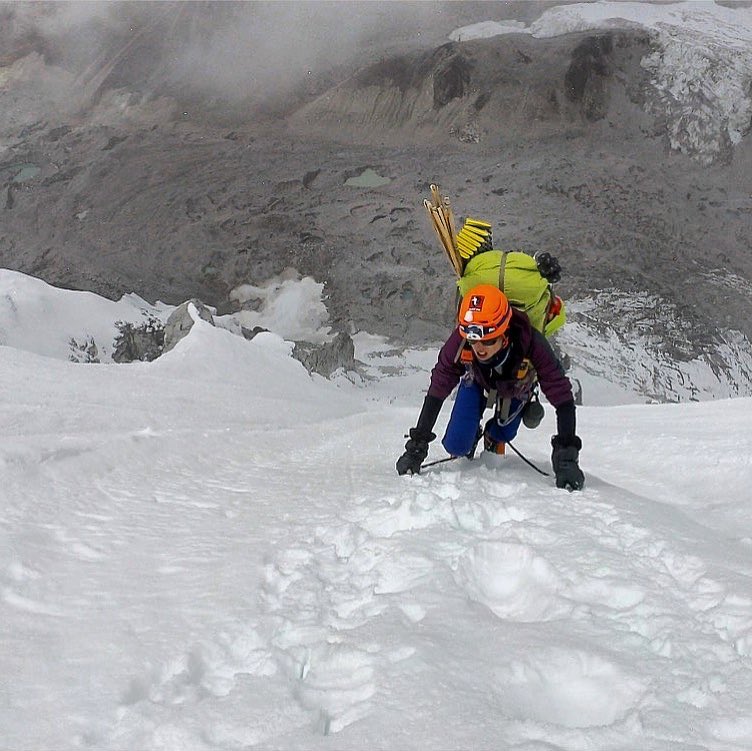
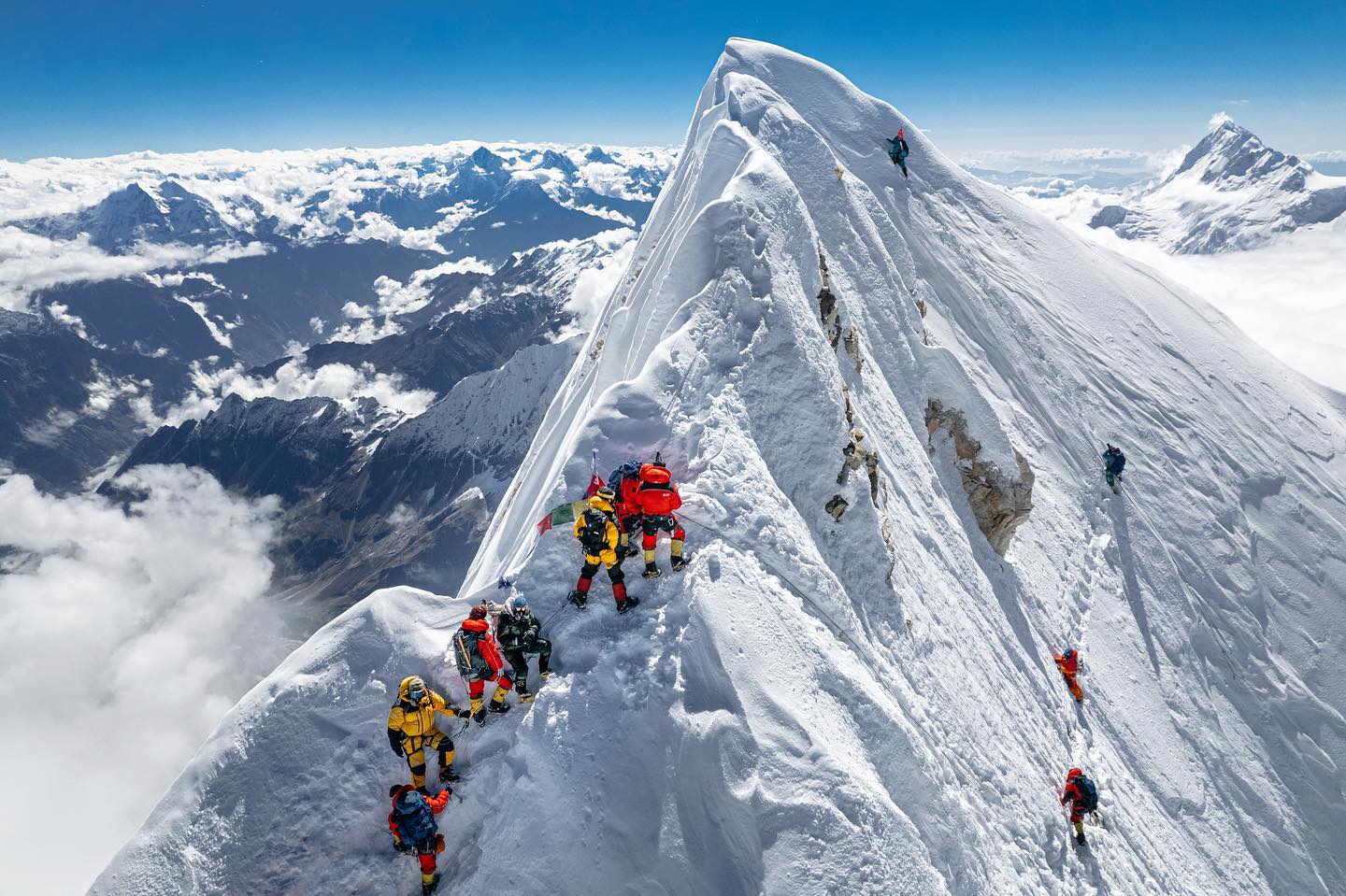
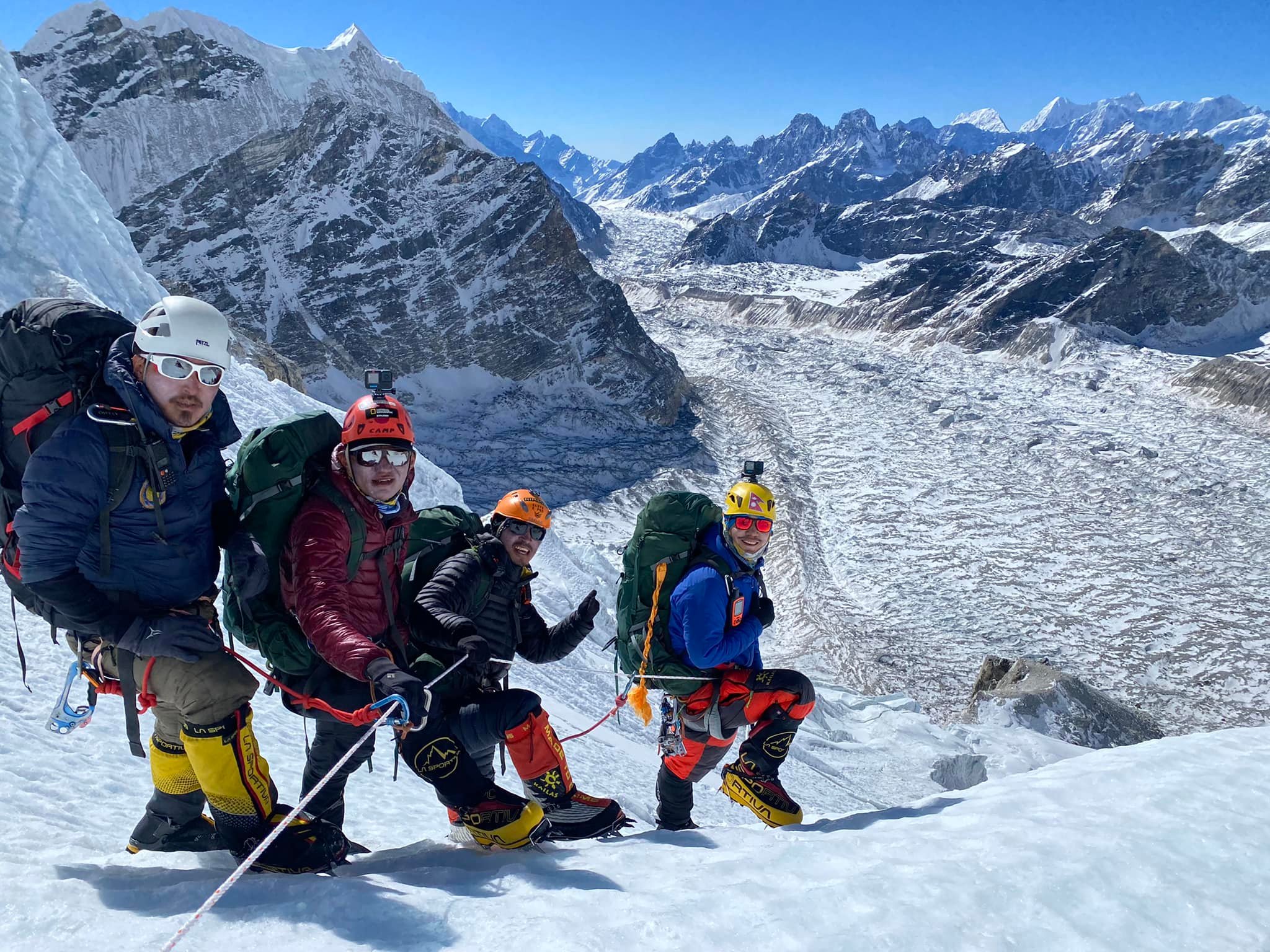
The 2026 spring climbing season on Mount Everest is drawing to a close with nearly 900 successful ascents by climbers and guides, making it the busiest season in the mountain’s history, officials said.
“Everest spring season 2026 is coming to a close with only a handful of climbers remaining. The season has recorded 879 successful summits so far,” said Khimlal Gautam, coordinator of the government field office at Everest Base Camp.
The figures, compiled jointly by the Department of Tourism’s field office and the Expedition Operators Association Nepal, underline another record-breaking year on the world’s highest mountain.
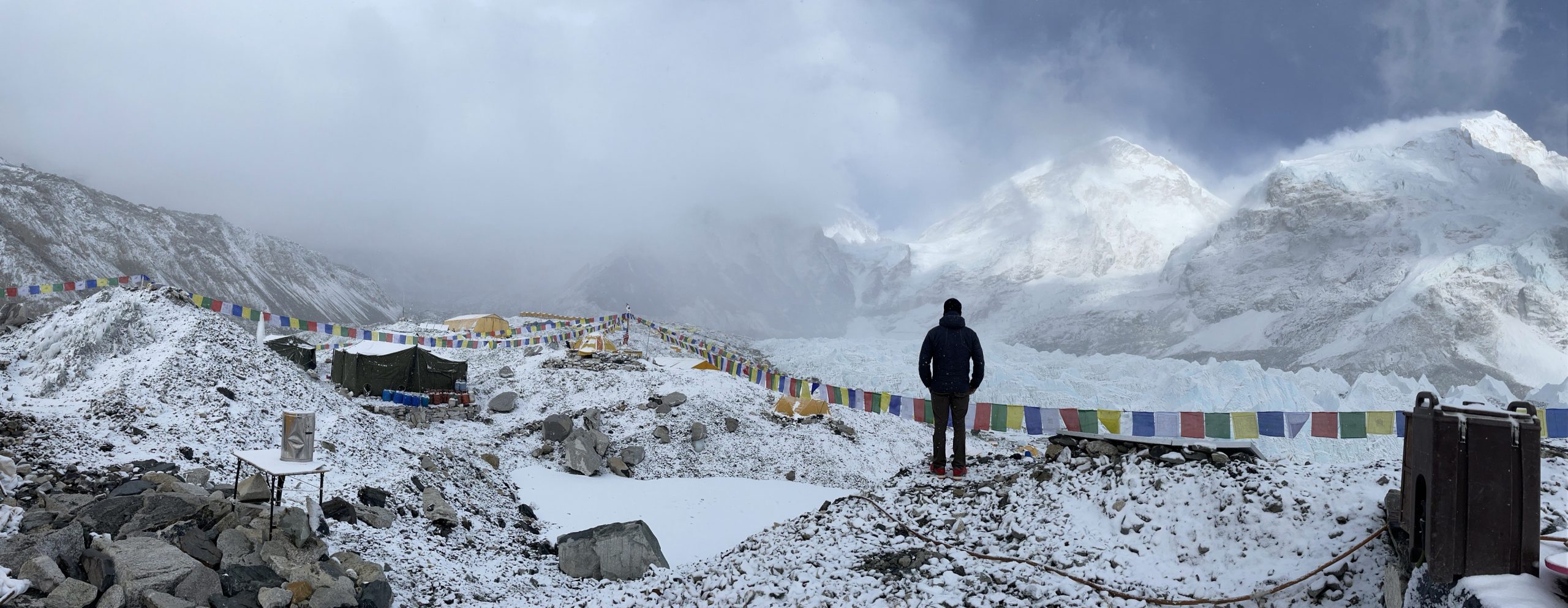
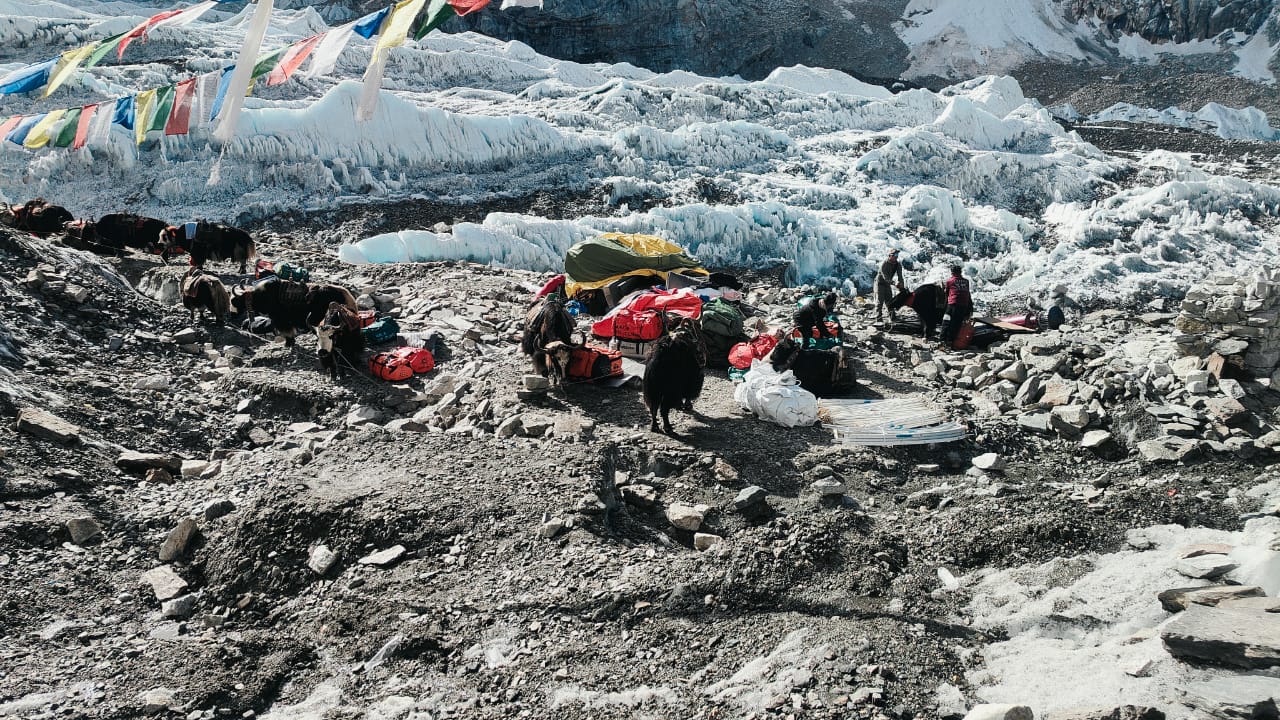
At Everest Base Camp, operators are already dismantling camps as the season winds down. Tents are being struck, yaks loaded with equipment, and supplies ferried rapidly out of the glacier settlement.
According to Gautam, only two organised teams remain on the mountain — from Elite Exped and Madison Mountaineering — alongside a handful of independent climbers attempting records. Officials expect roughly 75 additional summits before the season ends.
The season began amid fears that delays in opening the route through the Khumbu Icefall would lead to severe congestion higher on the mountain. Instead, commercial expedition companies joined the Icefall Doctors in establishing the route through the icefall and fixing ropes above Camp II to the summit. The work was completed within five days, allowing climbers to begin their summit rotations earlier than expected.
When the route was fixed on May 13 — sooner than many anticipated — climbers waited several days for favourable weather. The first major summit wave reached the top on May 17, ushering in a stable weather window that continued through late May.
The season had already set a record for permits, with 494 climbers receiving permission to attempt Everest, surpassing the previous high of 458.
Nepal also collected record royalty revenues after increasing the Everest climbing fee to $15,000 from $11,000. Combined with higher charges on other peaks, the government earned more than $6 million in mountaineering royalties this season alone.
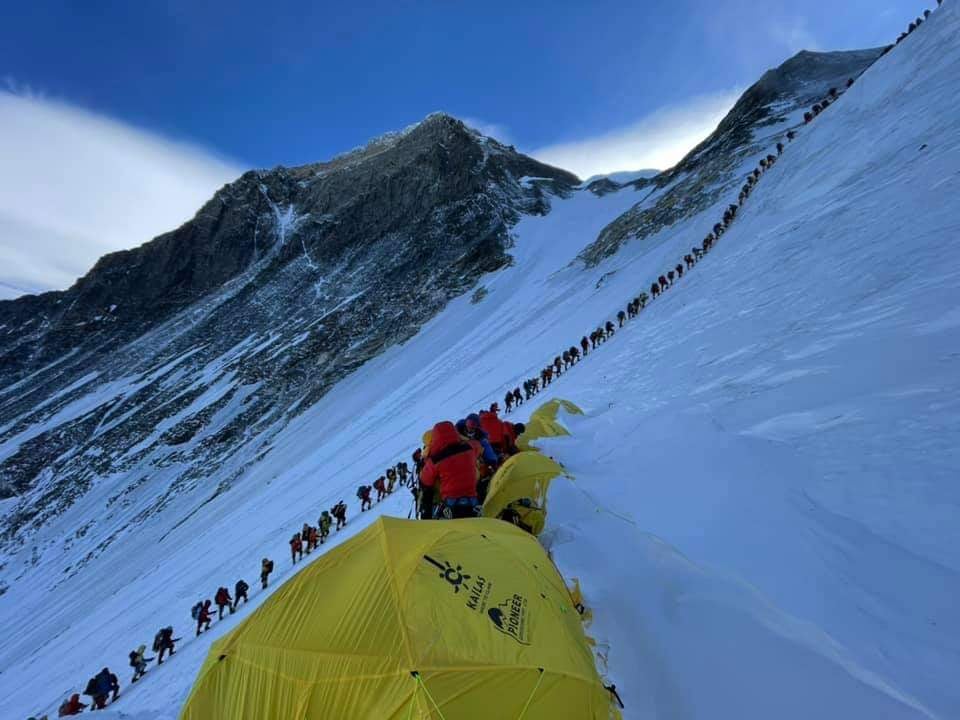
The mountain also saw a record number of summits in a single day from the Nepal side, with 274 climbers reaching the summit on May 20.
Gautam noted that the overall single-day record for Everest remains May 23, 2019, when 354 climbers summited from both the Nepal and Tibet sides combined. Of those, 223 climbed from Nepal.
Some operators distinguished themselves through careful pacing. Furtenbach Adventures and Imagine Nepal were widely praised by guides for avoiding the early-season rush. On May 22, Furtenbach placed 42 climbers on the summit, while Imagine Nepal guided 44 to the top, with similar numbers the following day.
“There was no rush for them,” one guide said. “They were confident, while everyone else seemed in a hurry.”
Officials said tighter coordination at base camp and the late-May weather window helped avert the severe bottlenecks that have marred previous seasons.
Final figures are still being verified, but officials say 2026 already ranks among the most active commercial climbing seasons in Everest’s history.
“This season has already entered Everest history in more ways than one,” Gautam said. “The success rate has been high, defying all the speculation that the record number of permits would inevitably lead to chaos. It has been a historic season.”