Sikkim protests Kanchenjunga climb, citing sacred status
Sikkim urges Delhi and Kathmandu to halt expeditions on Kanchenjunga, revered as a holy peak.

The Chief Minister of Sikkim, Prem Singh Tamang (Golay), has written to India's Home Minister Amit Shah, voicing deep concern over the recent ascent of Mount Kanchenjunga by a team from the National Institute of Mountaineering and Adventure Sports (NIMAS) of Arunachal Pradesh. The mountain, revered as a sacred site by the people of Sikkim, is legally protected from climbing under Indian law, with a complete ban enforced since 2001.
In a two-page letter dated May 24, Tamang urged the Indian government to raise the matter with the Government of Nepal to ensure that no future expeditions are allowed on the mountain’s sacred slopes, including from the Nepali side. “We earnestly urge that this matter be treated with the utmost sensitivity and respect,” the Chief Minister wrote. He cited the Sacred Places of Worship (Special Provisions) Act, 1991, and official notifications from 1998 and 2001 that prohibit attempts to scale the mountain from Indian territory.


Mount Kanchenjunga, the world’s third-highest peak, straddles the eastern Himalayas along the borders of Nepal, India (Sikkim), and Tibet. Its name, derived from Tibetan, translates to "Five Treasures of the High Snows"—symbolizing five sacred treasures in Sikkimese belief. These treasures, according to legend, are only revealed to the devout during times of global peril.
CM Tamang emphasized that the peak is not merely a mountain but the abode of the guardian deity Dzöe-Nga, also worshipped as Pho-lha, the protector of Sikkim. These deities were recognized and sanctified by the 8th-century Buddhist saint Guru Padmasambhava, further deepening the mountain’s cultural and spiritual significance. “Scaling this sacred peak is not only a matter of serious concern but also a violation of both the prevailing legal provisions and the deeply held religious beliefs of the people of Sikkim,” Tamang wrote.
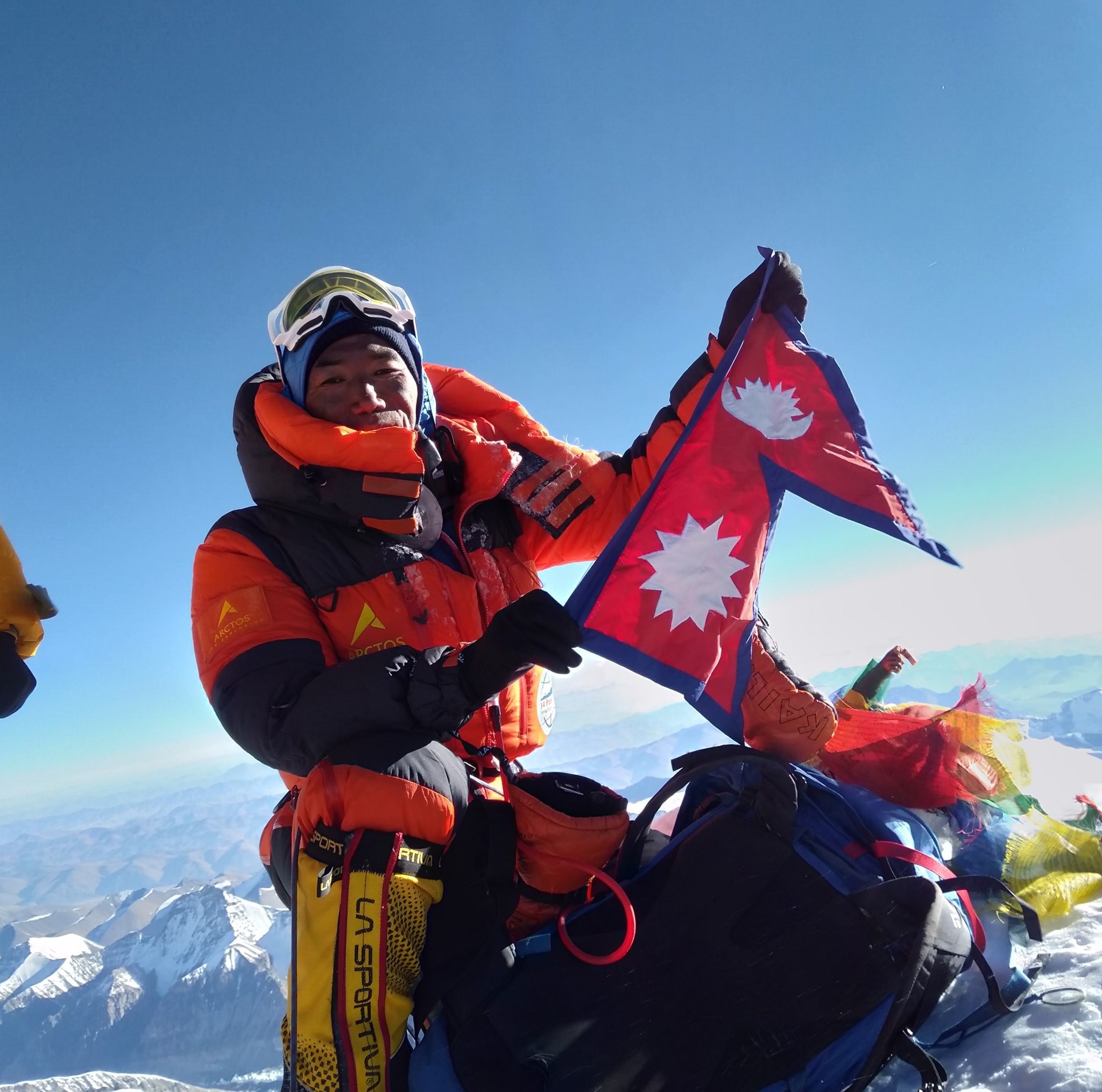
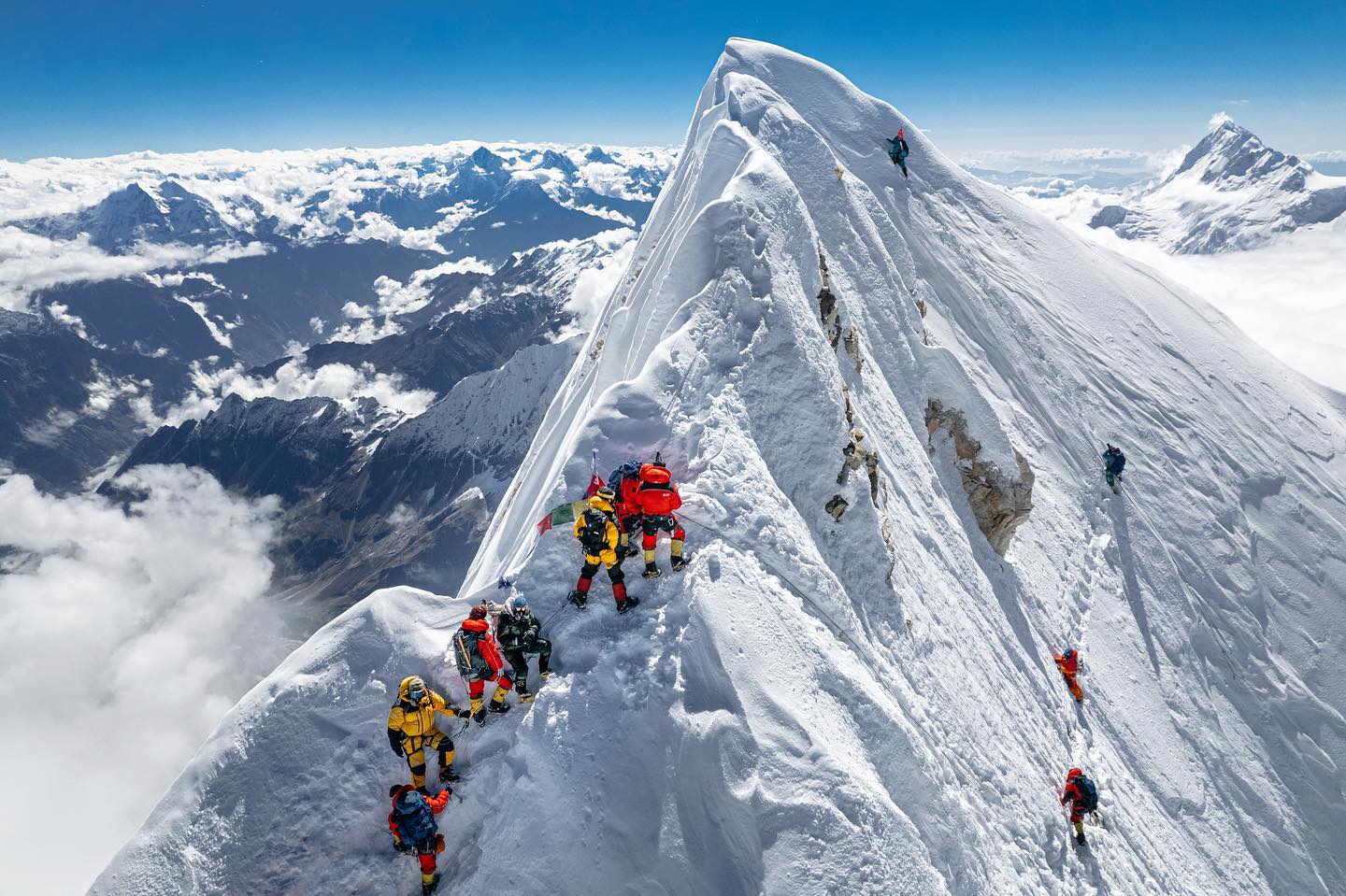
The issue gained urgency following reports that at least eight expedition teams comprising 78 climbers—including members of the Indian Army— scaled Kanchenjunga from the Nepali side.
Nepal, which issues climbing permits for Kanchenjunga, has not imposed any ban on its ascent. However, many within Nepal, including ethnic Sherpa communities, also revere Himalayan peaks as sacred. Before ascending Everest and other mountains, Sherpa climbers traditionally perform a puja—a forgiveness and blessing ceremony—asking the mountain’s spirit for safe passage.
Bhutan, by contrast, has long imposed a nationwide ban on mountaineering out of respect for the spiritual sanctity of its peaks, which are seen as the abodes of deities. Bhutanese law recognizes these mountains as sacred beings, and no expeditions are permitted—making it a rare exception in the Himalayan region.
Sikkim’s appeal comes at a delicate moment for Himalayan mountaineering diplomacy, with overlapping cultural, spiritual, and geopolitical interests. While Nepal has positioned itself as a global mountaineering hub—issuing hundreds of permits each year, including for Everest—India’s northeastern state of Sikkim remains steadfast in protecting its sacred landscape.
Nepal is home to eight of the world’s 14 peaks above 8,000 meters, and these mountains serve as both spiritual icons and economic lifelines. The mountaineering industry is a significant source of government revenue and employment in the Himalayan region.
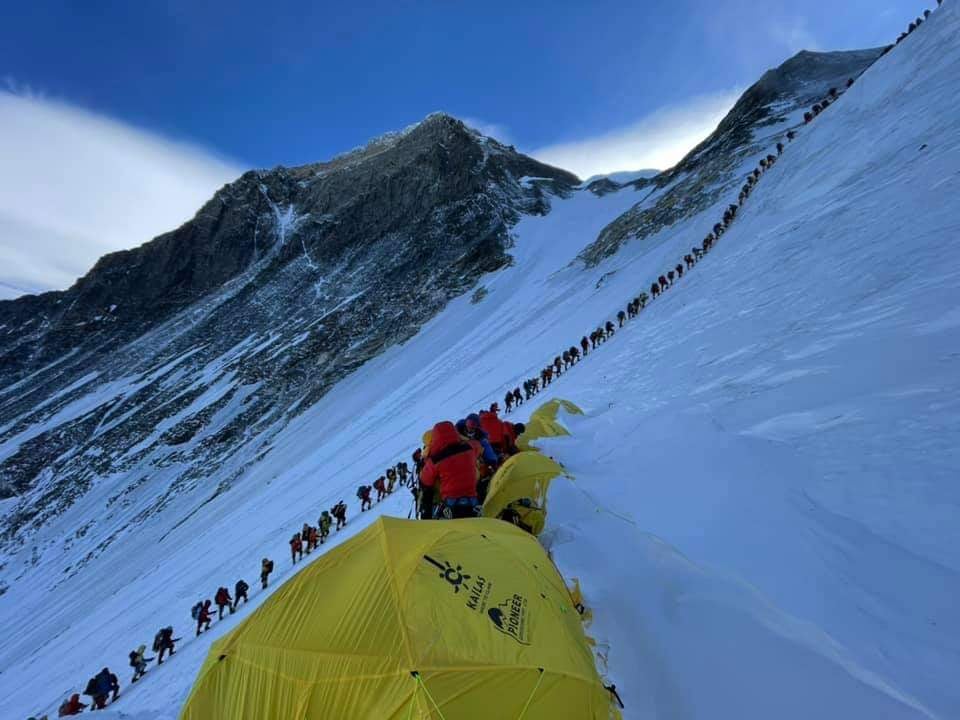
According to Nepal's Department of Tourism, permits were issued to 127 expedition teams from 73 countries this spring to climb 27 peaks. These included 468 permits for Everest, 78 for Kanchenjunga, 79 for Makalu, 125 for Lhotse, 16 for Dhaulagiri, and 66 for Annapurna, among others. The government collected $5,812,359 in royalties. Thousands of local workers—including guides, porters, and cooks—benefited directly, while hotels, restaurants, and teahouses along the trails saw a surge in business.