NMA calls for probe after Sherpa guide left in Everest death zone
NMA urges independent investigation into “serious ethical concerns” as Dawa Sherpa recovers in ICU after being stranded for days at extreme altitude without rescue or oxygen assistance
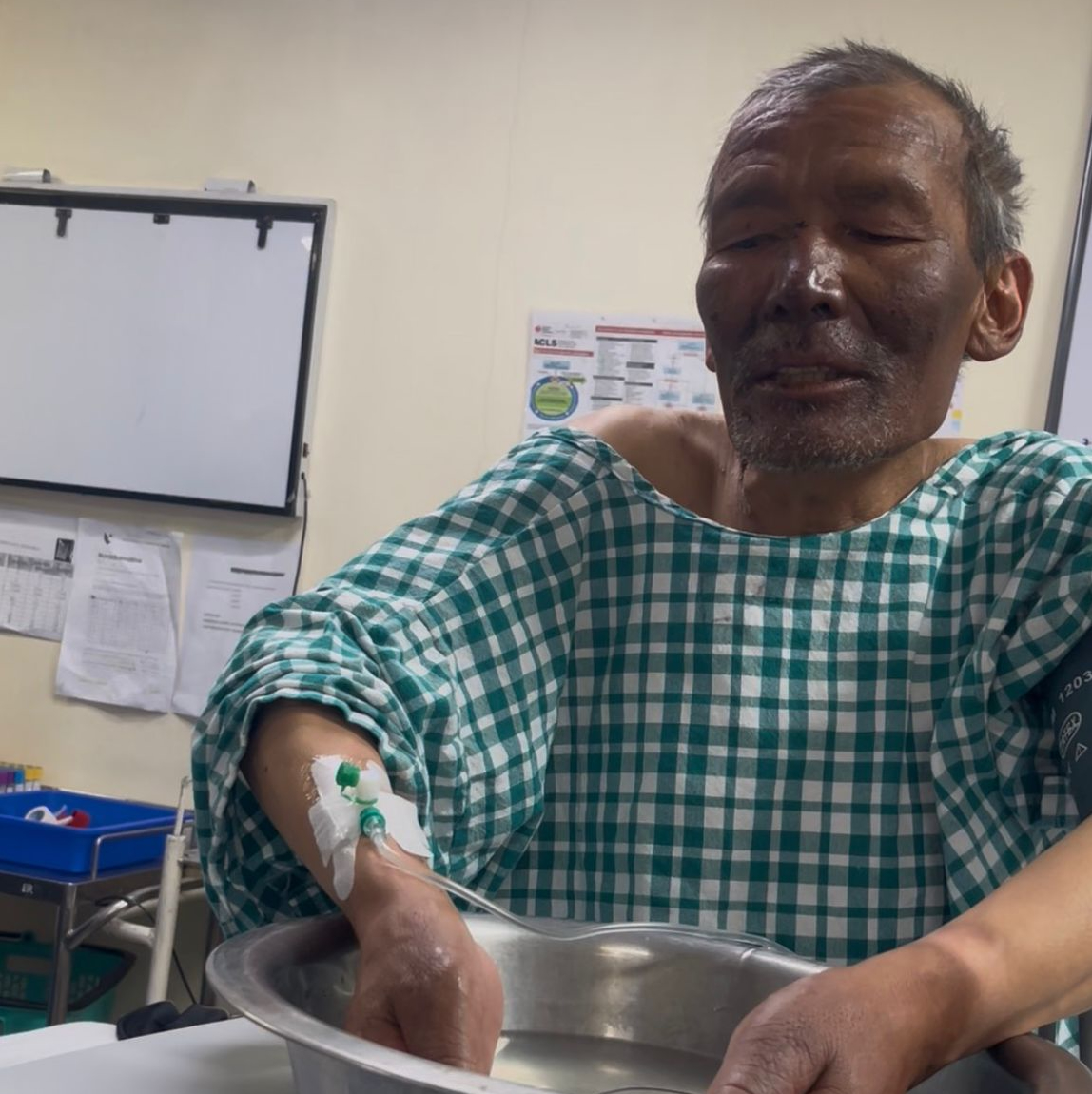
PC: Ngima Nagati Sherpa
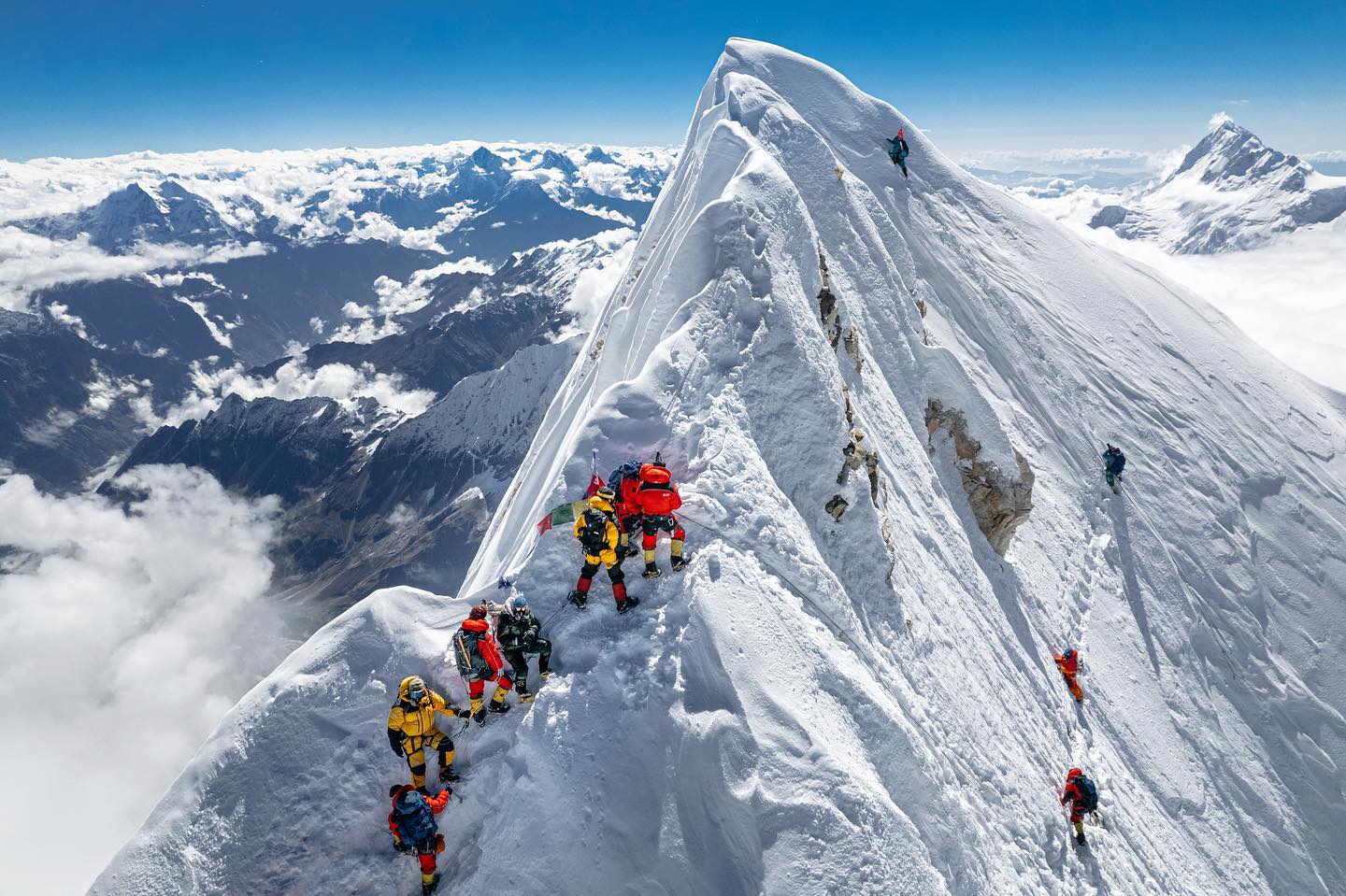
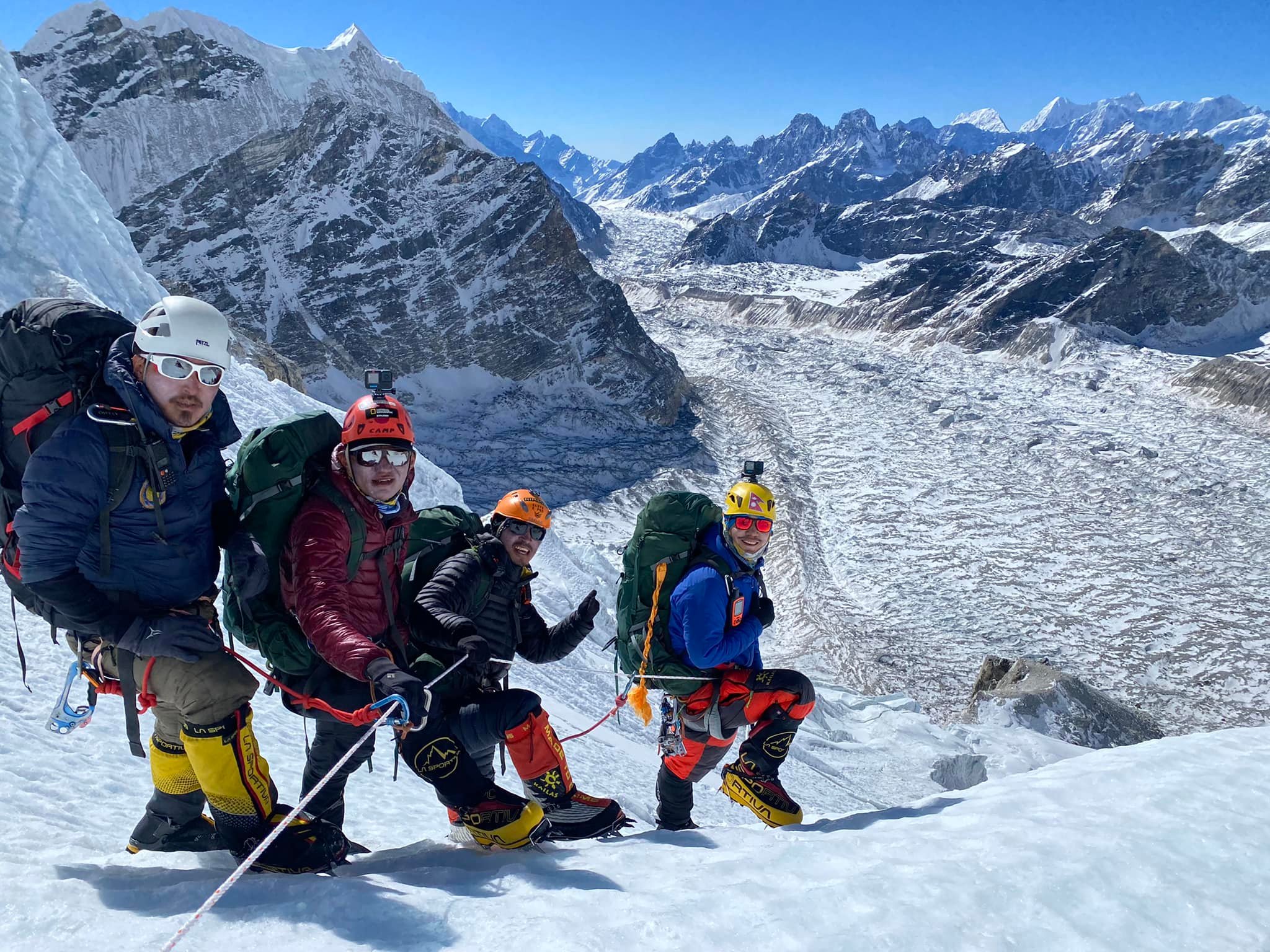
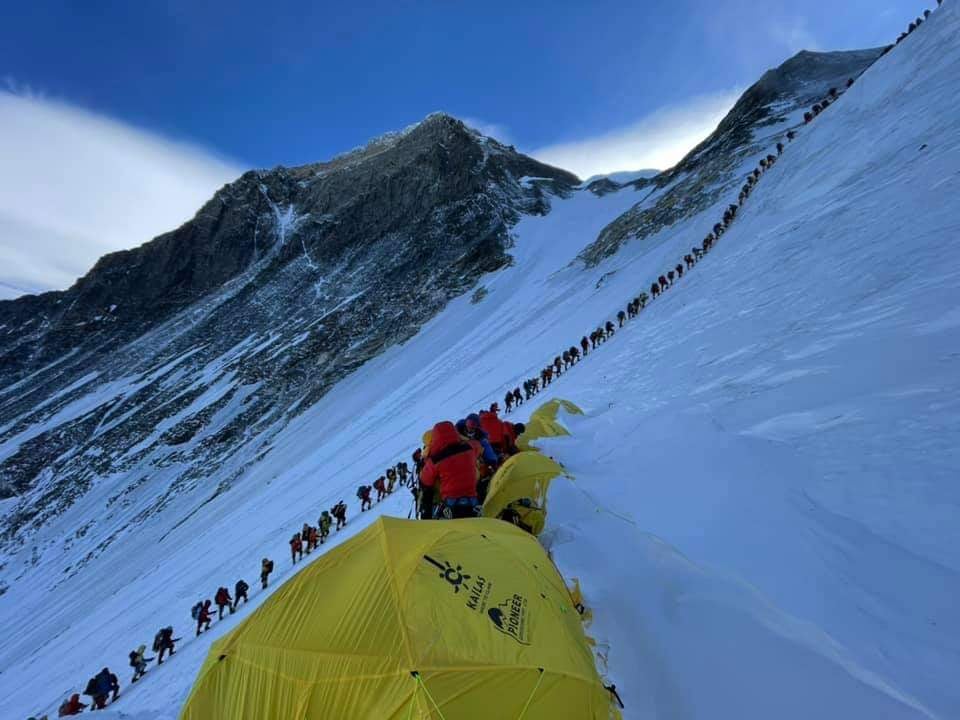
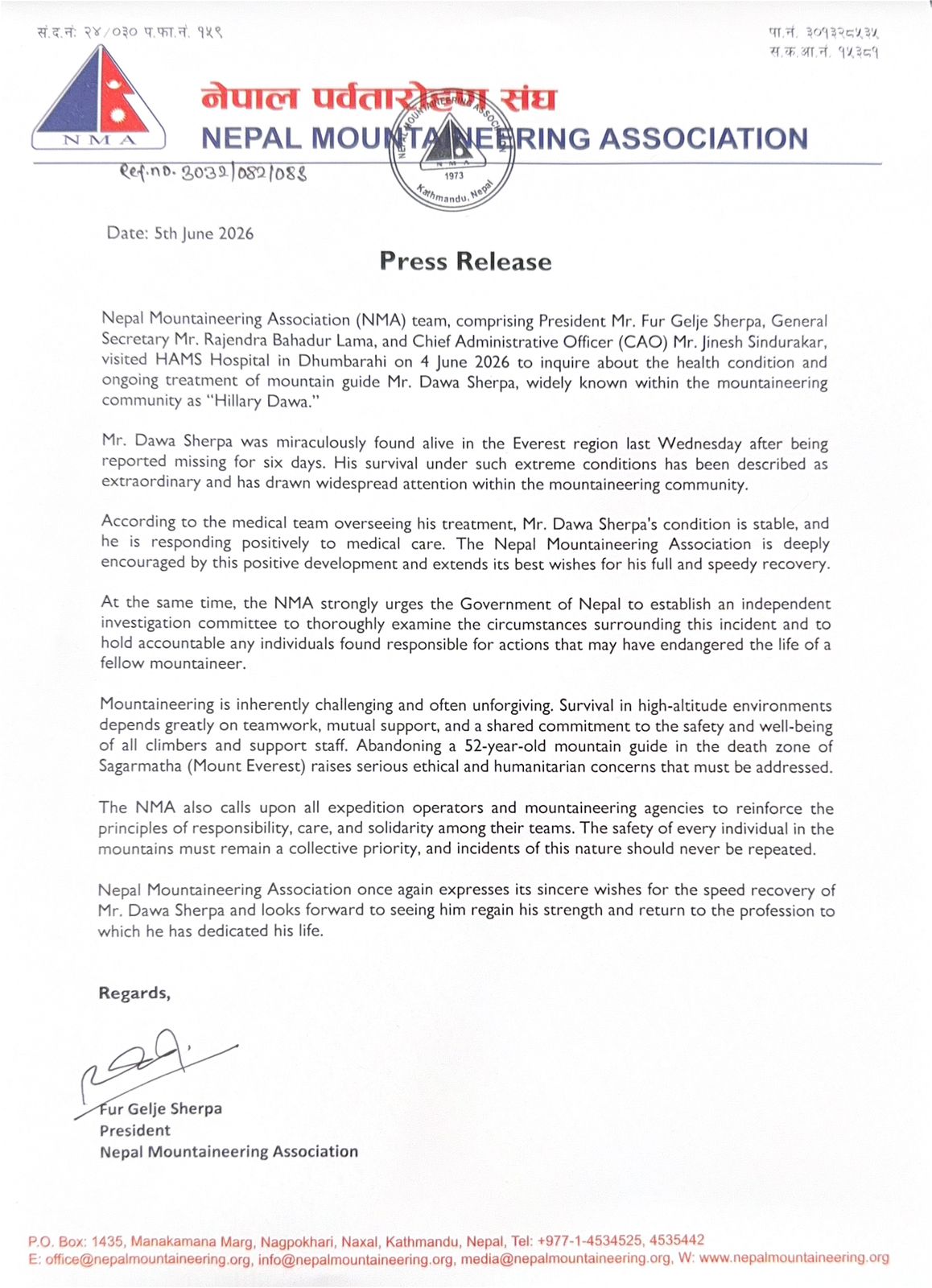
Nepal’s main mountaineering body has called for an independent investigation into how a Sherpa guide was allegedly left for days in Everest’s so-called “death zone”, in a case that has shocked the tightly knit climbing industry.
The Nepal Mountaineering Association (NMA) urged the government to form a probe committee after visiting Dawa Sherpa at HAMS Hospital in Kathmandu on June 4. He remains in intensive care, in stable condition and responding to treatment.
The delegation—led by NMA president Fur Gelje Sherpa, general secretary Rajendra Bahadur Lama and chief administrative officer Jinesh Sindurakar—said the circumstances surrounding the incident raised “serious ethical and humanitarian concerns”. In a statement, the association warned that the alleged abandonment of a guide in the high-altitude death zone of Sagarmatha must be thoroughly examined, with accountability established for any responsible parties.
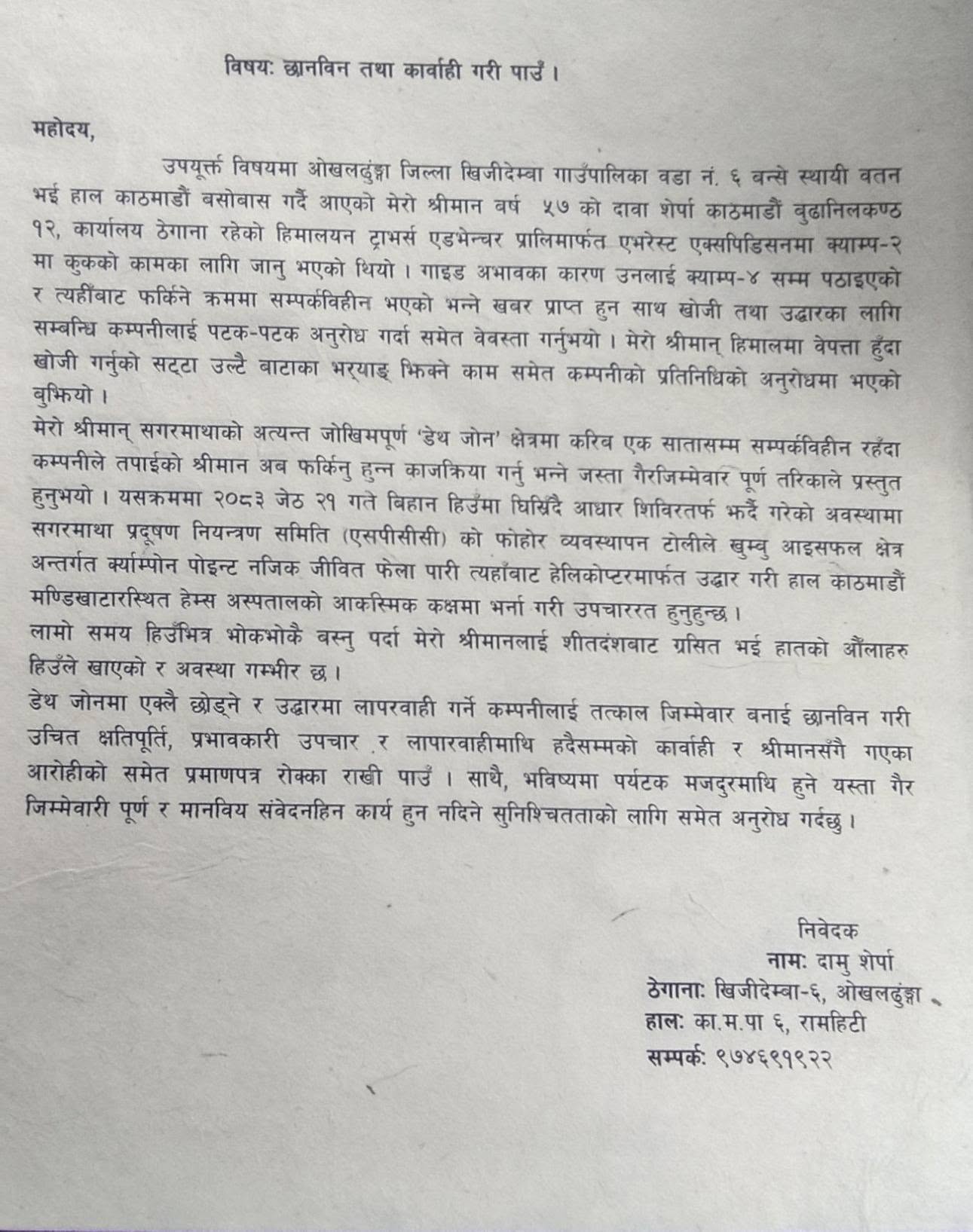
The NMA’s statement came a day after Damu Sherpa, wife of veteran high-altitude worker Dawa Sherpa, filed formal complaints with the association and Nepal’s Department of Tourism, alleging negligence in the handling of her husband’s disappearance during an Everest expedition. She said repeated requests for search and rescue were ignored after he went missing while working above Everest Base Camp, and called for those responsible to be held accountable.
The complaint also demands legal action against individuals found responsible, as well as the suspension of expedition-related certifications and approvals linked to those involved until the matter is resolved.
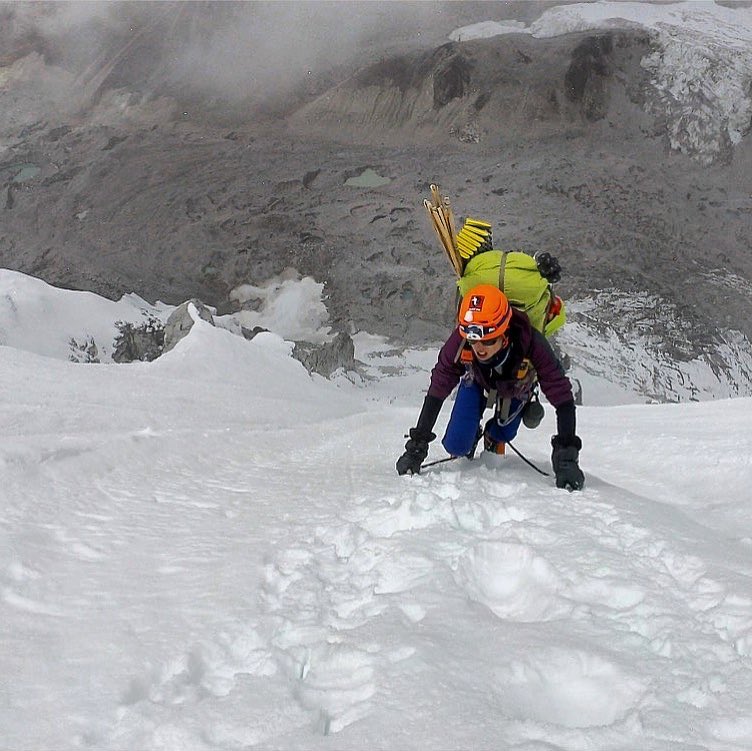
Dawa Sherpa, known in the climbing community as “Hillary Dawa” from Okhaldhunga, went missing on May 29 near the Yellow Band above Camp III during descent from Everest. He had reportedly been left behind by fellow climbers from the Himalayan Traverse expedition.
No formal rescue operation was launched for six days. By May 31, expedition teams had dismantled and removed icefall ladders and returned to base camp as the climbing season wound down, leaving him stranded at extreme altitude without food or supplemental oxygen.
He was found alive on June 4 by a Sagarmatha Pollution Control Committee waste-management team, crawling toward lower camps near Crampon Point. His family had already begun funeral rites by the time news of his survival emerged.
Doctors at HAMS Hospital say he is being treated for multiple injuries, including frostbite on several fingers, oxygen deprivation complications, intravenous fluid therapy, and a right thigh fracture with associated soft-tissue damage.
The NMA called on expedition operators to reinforce what it described as the “principles of responsibility, care and solidarity” in high-altitude operations, stressing that the safety of climbers and support staff must remain a collective obligation rather than an individual burden.
“The NMA looks forward to seeing him regain his strength and return to the profession to which he has dedicated his life,” Fur Gelje said in a statement issued on June 5.