Nimsdai sets new Everest-Lhotse speed record without oxygen
Having endured two days in the death zone while guiding clients, the Nepali climber went on to complete the Everest-Lhotse traverse in just 13 hours and 42 minutes.
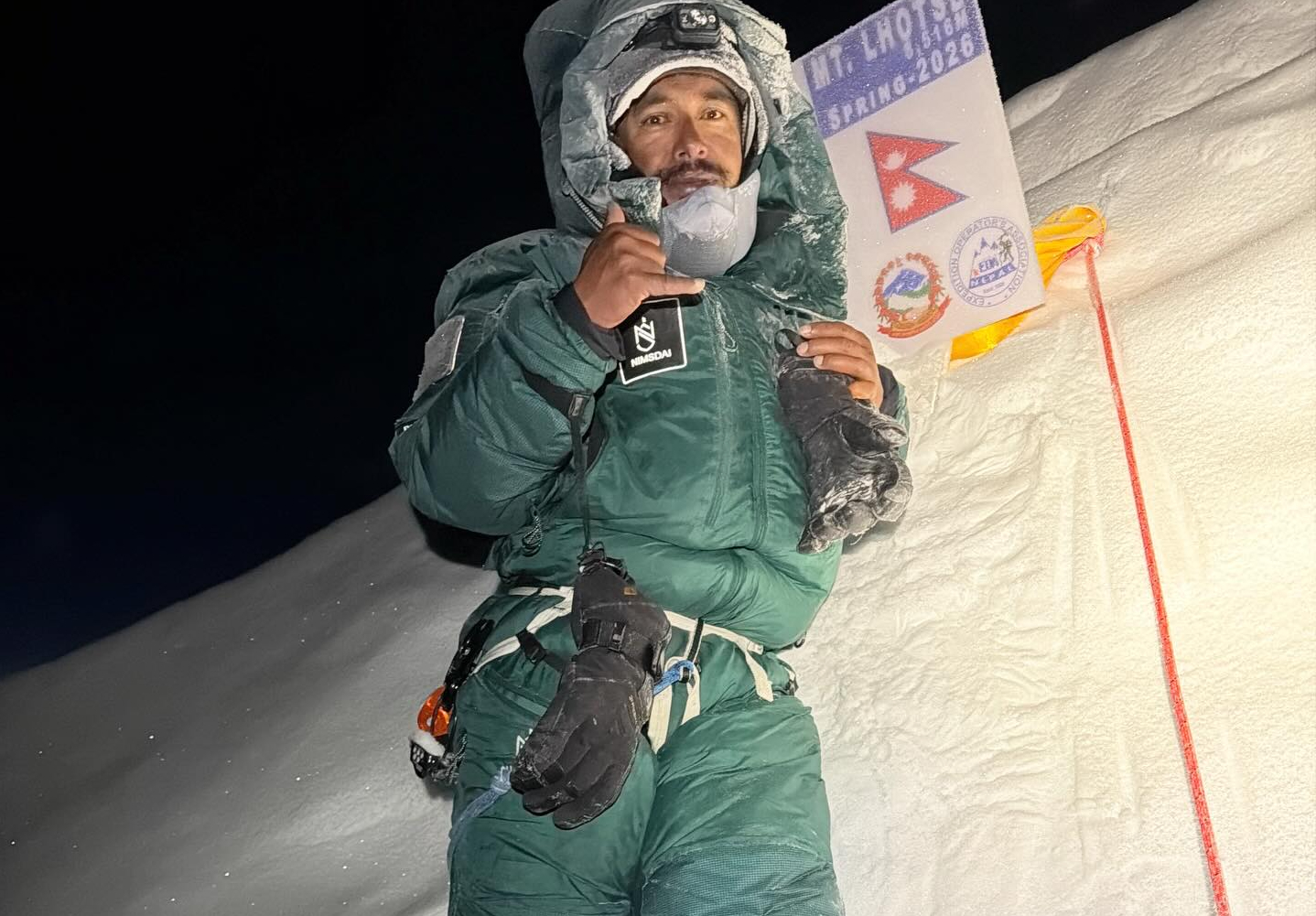
PC: Nimsdai's Facebook
Just days before Nepal's spring climbing season drew to a close, and on the eve of International Everest Day, Nepal's celebrated mountaineer, Nirmal Purja—better known as Nimsdai—added another chapter to his growing list of high-altitude feats.
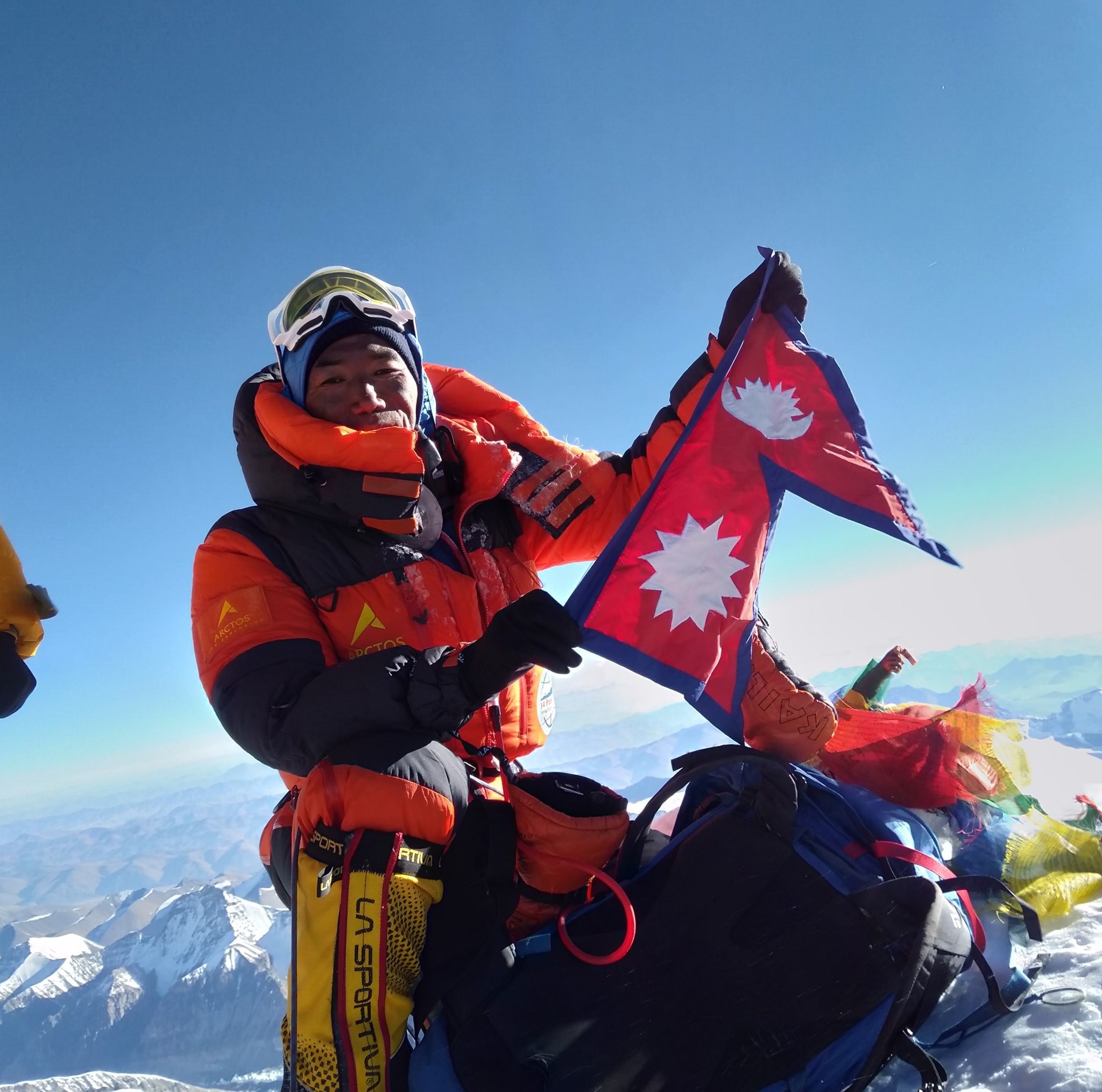
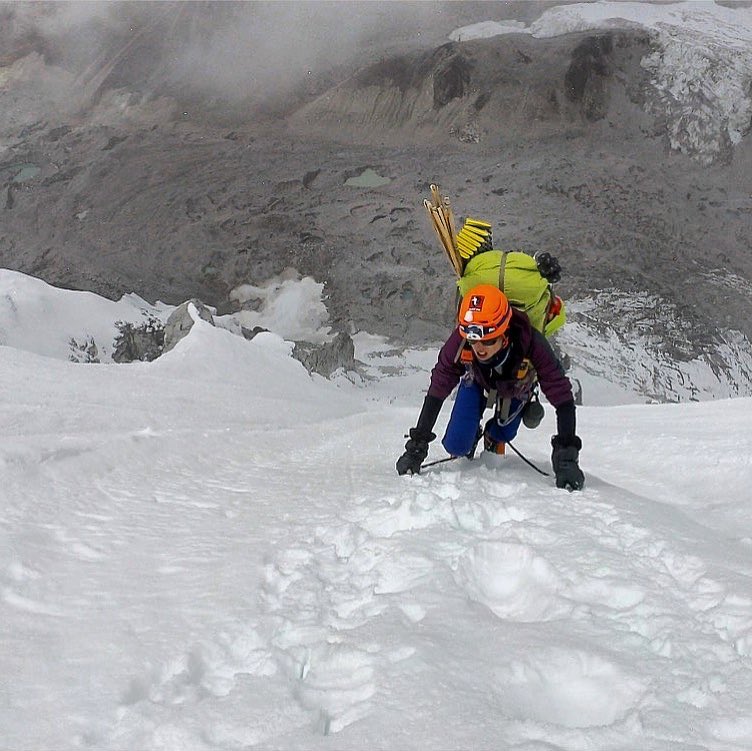
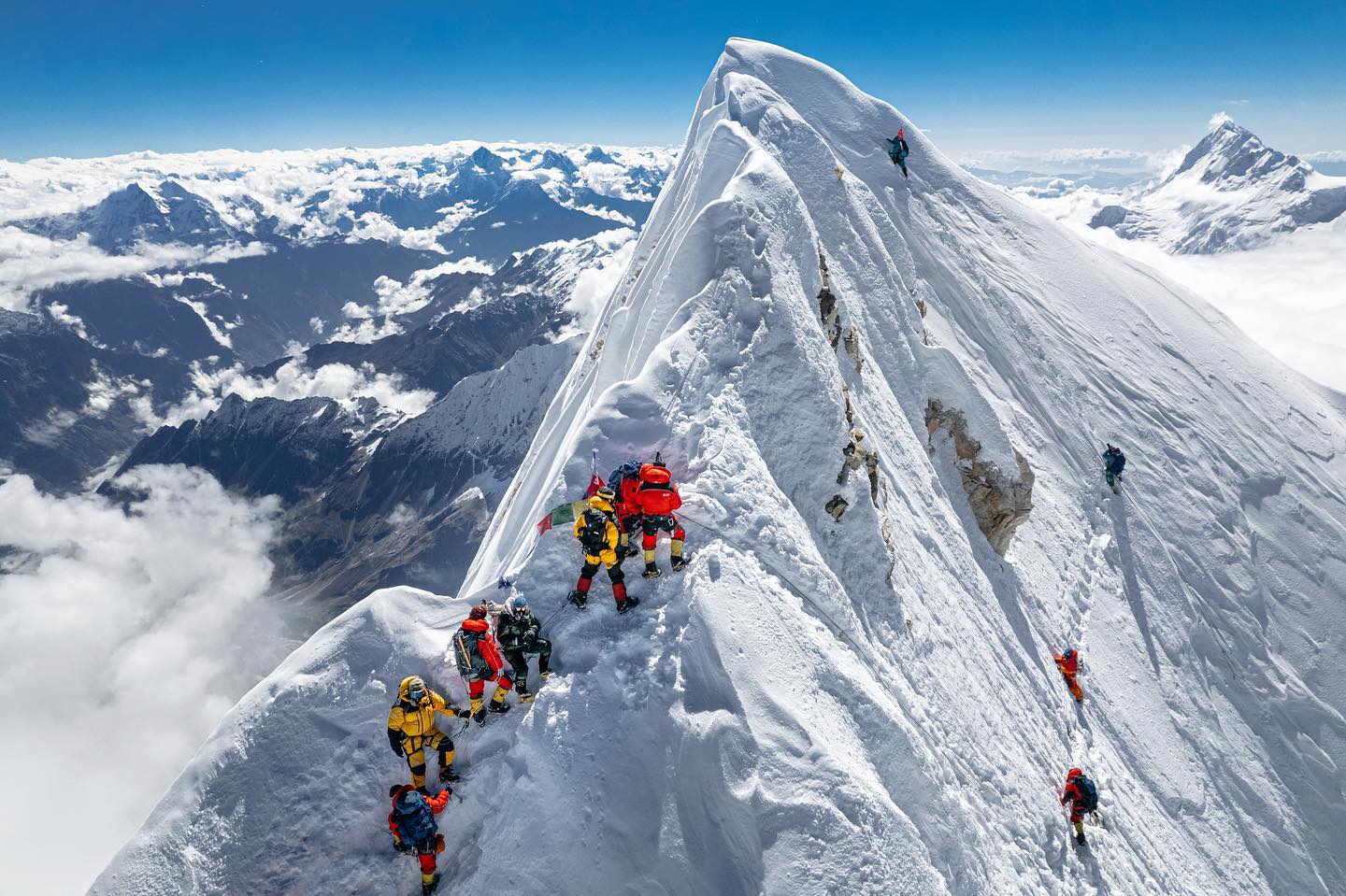
On May 27 and 28, Purja climbed Mount Everest and Lhotse without supplemental oxygen, completing the journey from the summit of Everest to the summit of Lhotse in just 13 hours and 42 minutes. The time sets a new world record and eclipses his previous mark of roughly 25 hours, which he established while guiding clients.
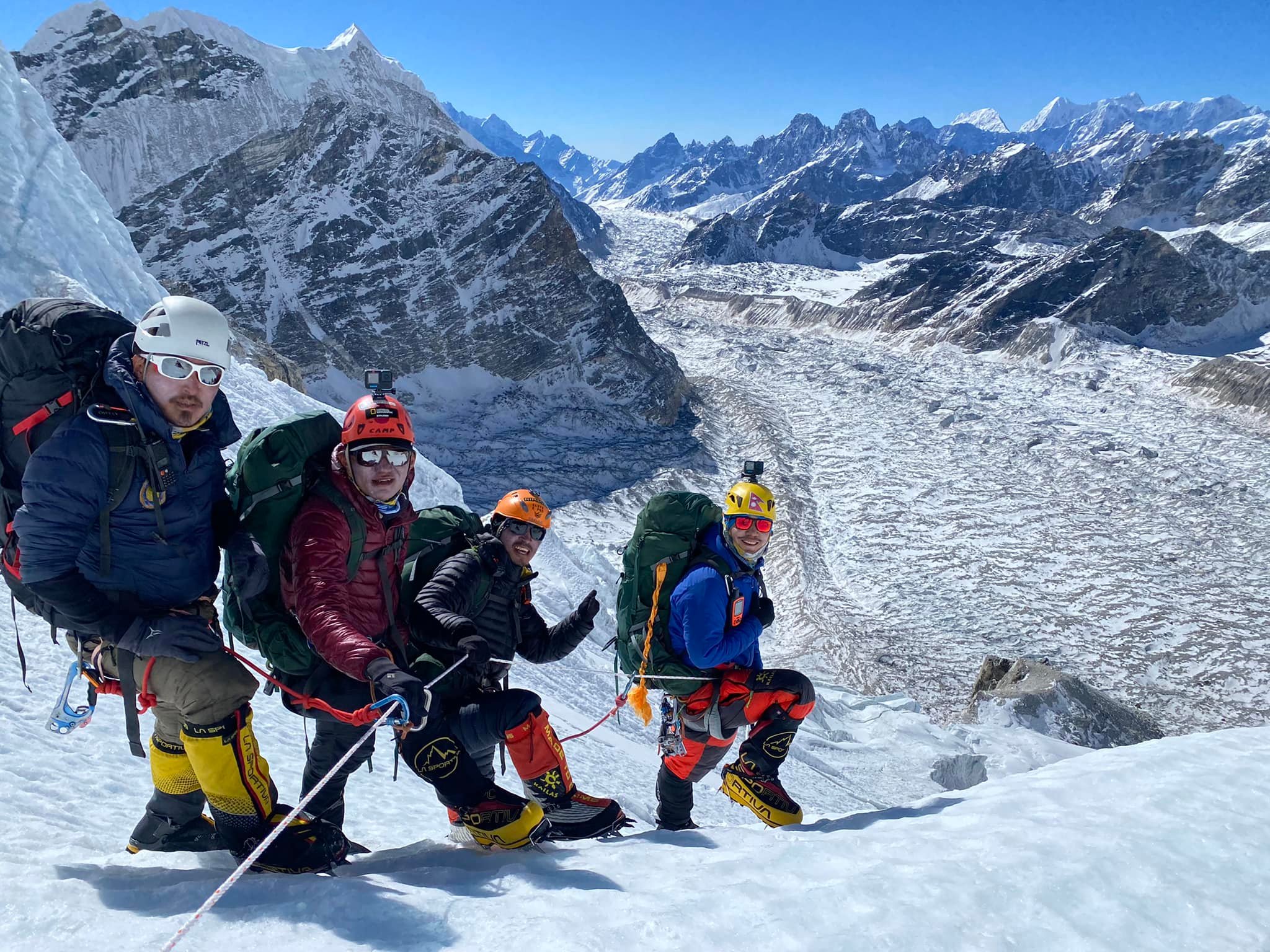
The achievement came under conditions that would have deterred most climbers. Poor weather forced Purja to spend an additional 24 hours at Camp IV, approximately 8,000 metres in the so-called "death zone", where oxygen levels are insufficient to sustain the human body for long. As the leader of a team of high-paying international clients, he said his first priority remained their safety and welfare.
Only after guiding clients towards the summit did Purja launch his own challenge. Together with Russian climber Nikol Kovalchuk, he climbed Everest without oxygen, a push that took around 18 hours. Yet reaching the summit was not enough.
Purja then descended and traversed towards neighbouring Lhotse in pursuit of a more demanding objective: breaking his own speed record between the world's highest and fourth-highest mountains. Fresh snowfall complicated the effort, burying fixed ropes and forcing him to break trail through deep snow.
The result was a dramatic improvement on his previous benchmark. According to Purja, he remains the only climber to have summited Everest and Lhotse consecutively without supplemental oxygen.
With these summits, he also set another record, becoming the first climber to complete 54 ascents of 8,000-metre peaks.
"The record was just a side effect," he said in a statement. "The real prize was the pain, the discomfort and finding comfort in chaos."
The feat adds to a mountaineering résumé that already includes the historic first winter ascent of K2, the most ascents to the true summits of the 14 mountains over 8,000m, rapid three-peak "triple header" of Everest, Lhotse, and Makalu in just 2 days and 30 minute and so on.
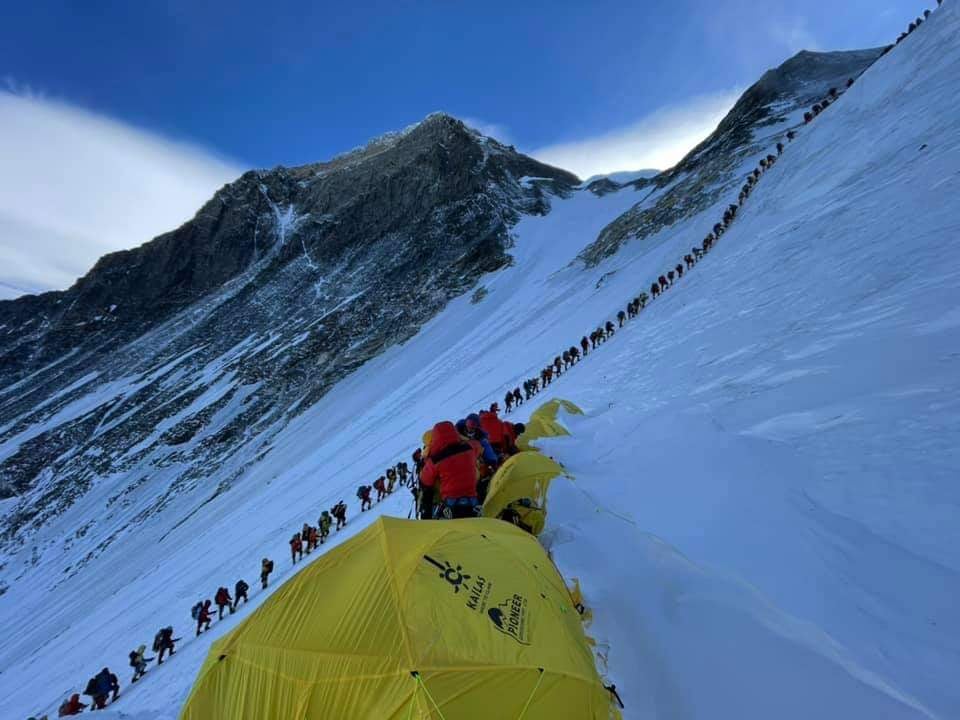
His record-breaking climb also comes at a symbolic moment: the climb was completed as Nepal's busiest Everest season ended and just before the country marked International Everest Day on May 29.