Nepal’s new trekking rules prove effective amid Himalayan storms
As heavy snowfall disrupts trekking routes across Everest, Annapurna, and Mustang, Nepal’s new tracking systems and mandatory guide rules avert a major crisis—showing the impact of recent safety reforms.
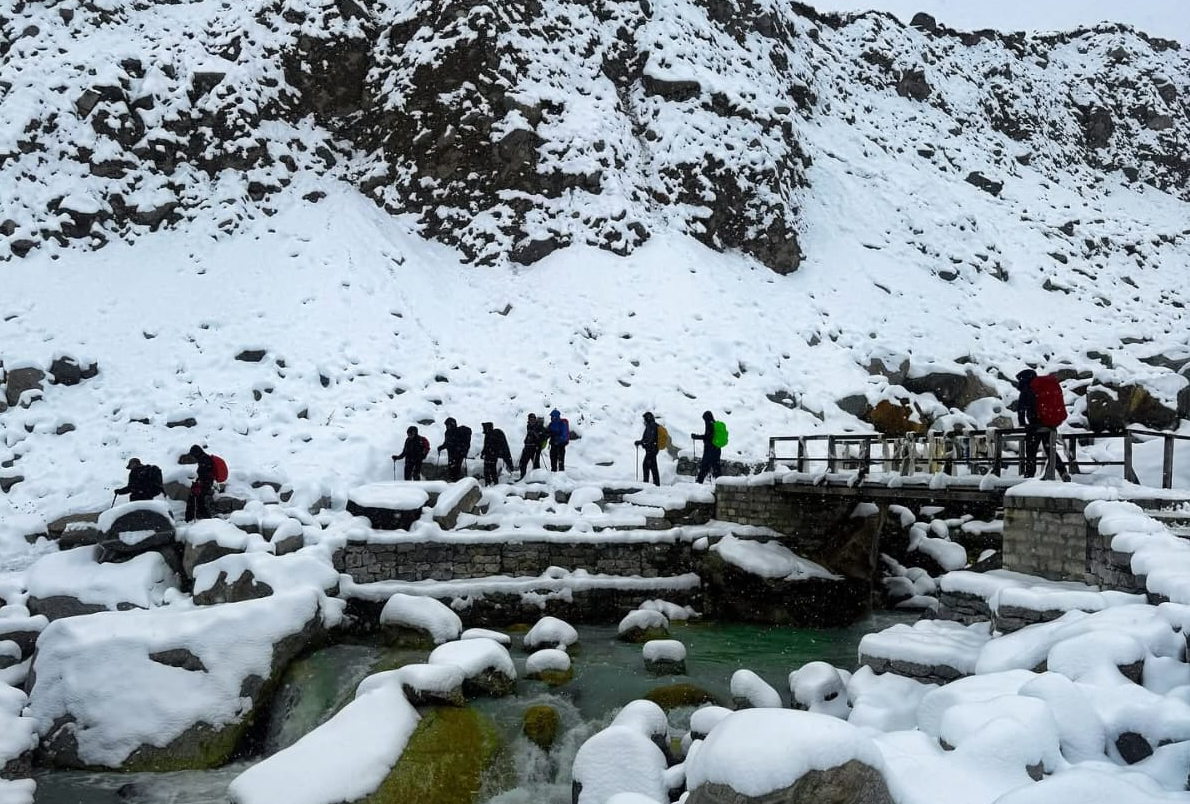
Trekkers on the trail to Everest Base Camp
PC: Avishek Gurung/Ghumante
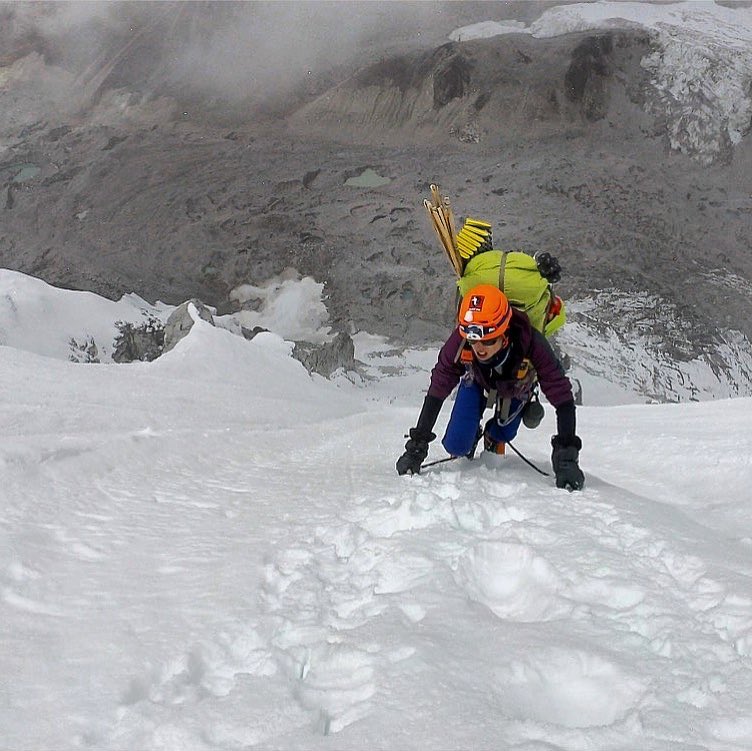
As repeated snowstorms swept across the Himalayas this week, grounding flights and blanketing Nepal’s famous trekking routes under deep snow, hundreds of climbers and trekkers found themselves briefly stranded, but none faced the large-scale crisis seen across the border in Tibet earlier this month.
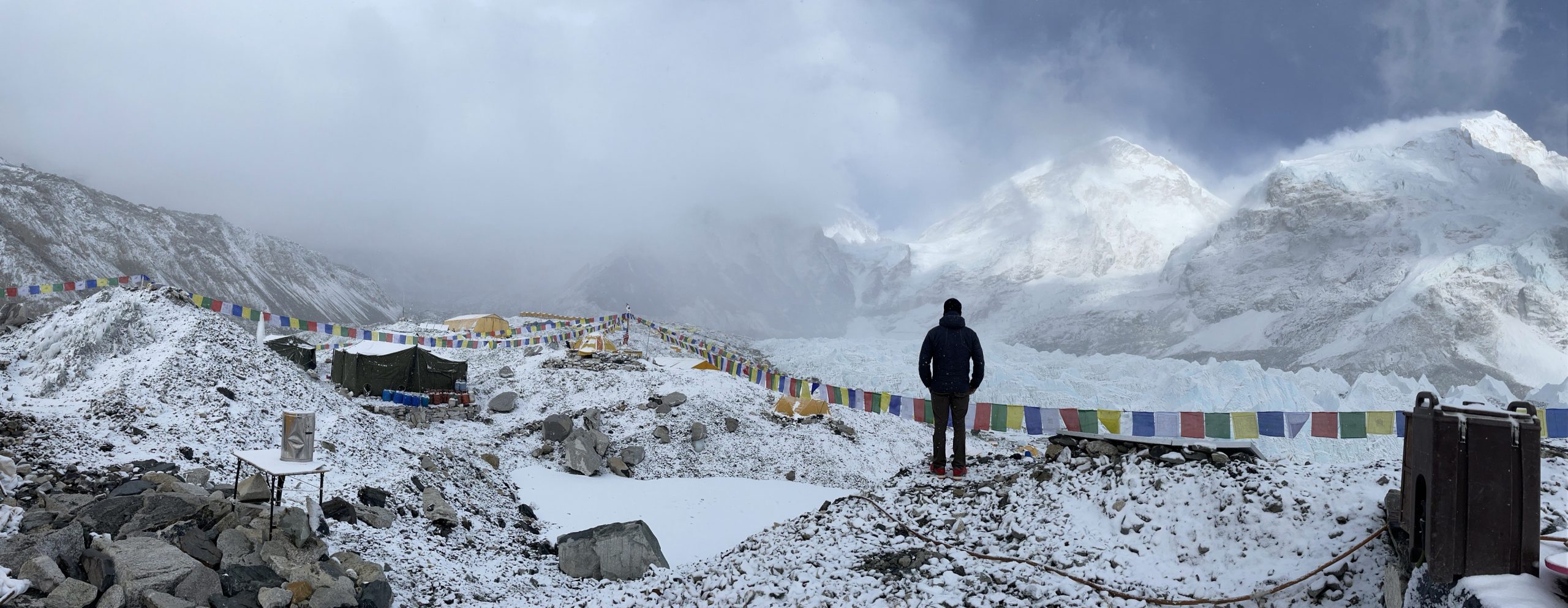
Despite heavy snowfall in popular regions such as Everest Base Camp, Annapurna, Manaslu, and Mustang, officials said that no major rescue operation was needed, crediting Nepal’s recent reforms in trekking management and disaster preparedness.
“The mandatory use of trekking agencies and licensed guides has made a big difference,” said Mani Raj Lamichhane, spokesperson for the Nepal Tourism Board (NTB). “We have seen a sharp decline in cases of missing or stranded trekkers even during severe weather and natural calamities.”
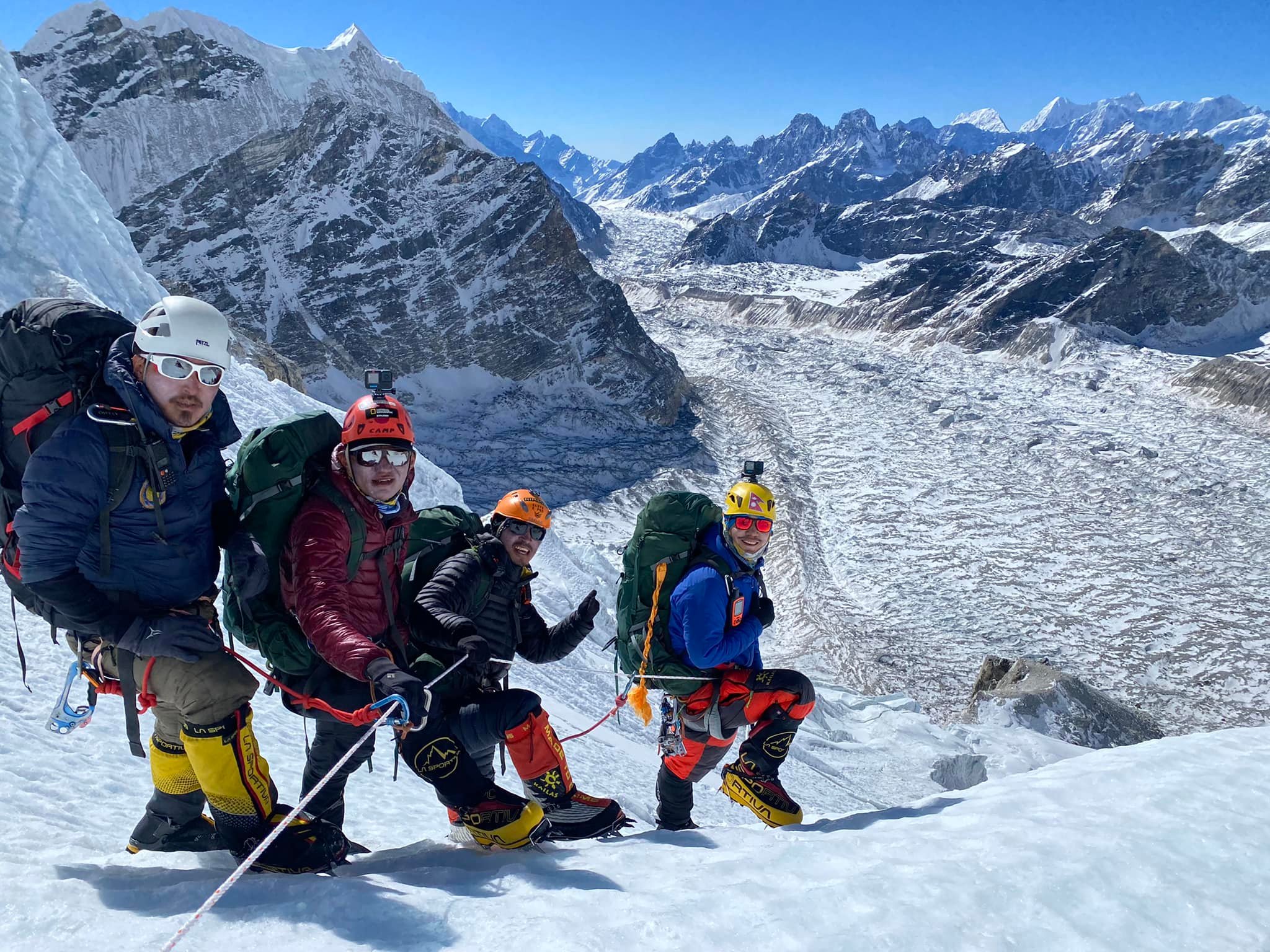
In recent years, Nepal has overhauled its trekking regulations following several deadly blizzards, avalanches, floods, landslides and other extreme weather events that had left scores missing in past seasons. All trekkers are now required to register with a licensed trekking agency and be accompanied by a guide, a rule that came into full enforcement last year.
Lamichhane said the NepaliPort Traveller/Foreign National Tracking Module, a digital platform launched to monitor and track trekkers in real time, has been particularly effective. “It gives us updated information during emergencies,” he said. Every district now has a monitoring committee that coordinates with local authorities and trekking companies.
The system, he added, helps prevent cases of trekkers getting lost in remote terrain where trails can vanish overnight under heavy snow.
This week’s snowstorm, the second in a month, caused temporary disruptions in several areas. Around 300 trekkers, mostly Nepalis, were stuck in the Tilicho region of the Annapurna circuit after heavy snow blocked trails. “They were soon accommodated in hotels and even in cow sheds by local villagers,” Lamichhane said. “Everyone is safe.”
In many districts, local governments have become key actors in tourism management, maintaining registries of visiting trekkers and enforcing safety protocols. Weather alerts issued by government agencies are now strictly followed, sometimes leading to temporary bans on travel or even public holidays during extreme conditions.
The situation stands in sharp contrast to Tibet, where nearly 1,000 hikers, guides, and support staff had to be evacuated from the Everest Base Camp area earlier this month after a sudden blizzard at around 4,900 meters (16,000 feet). Media reports said about 580 hikers and 300 guides and yak herders were stranded, despite the area’s road accessibility.
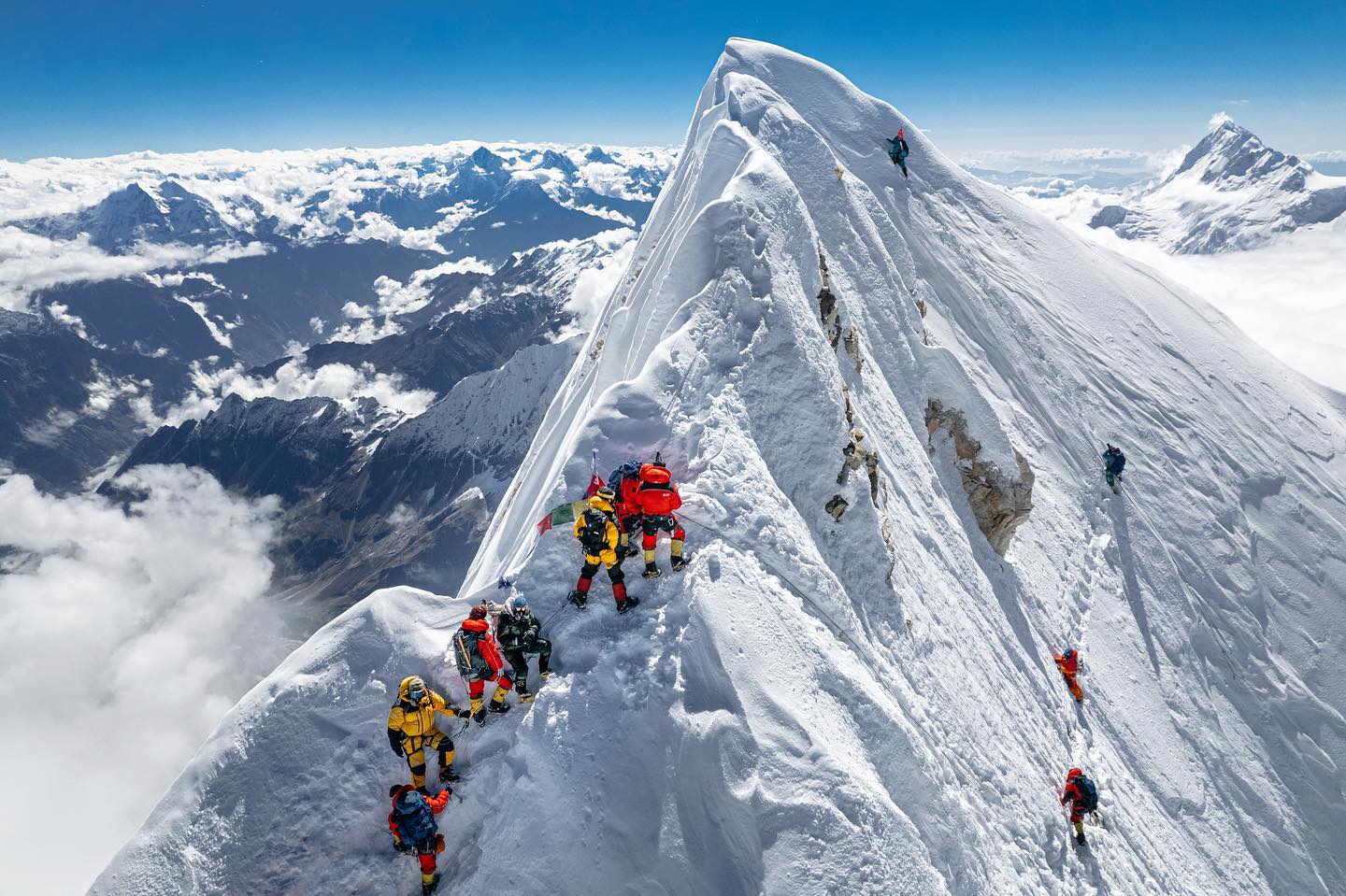
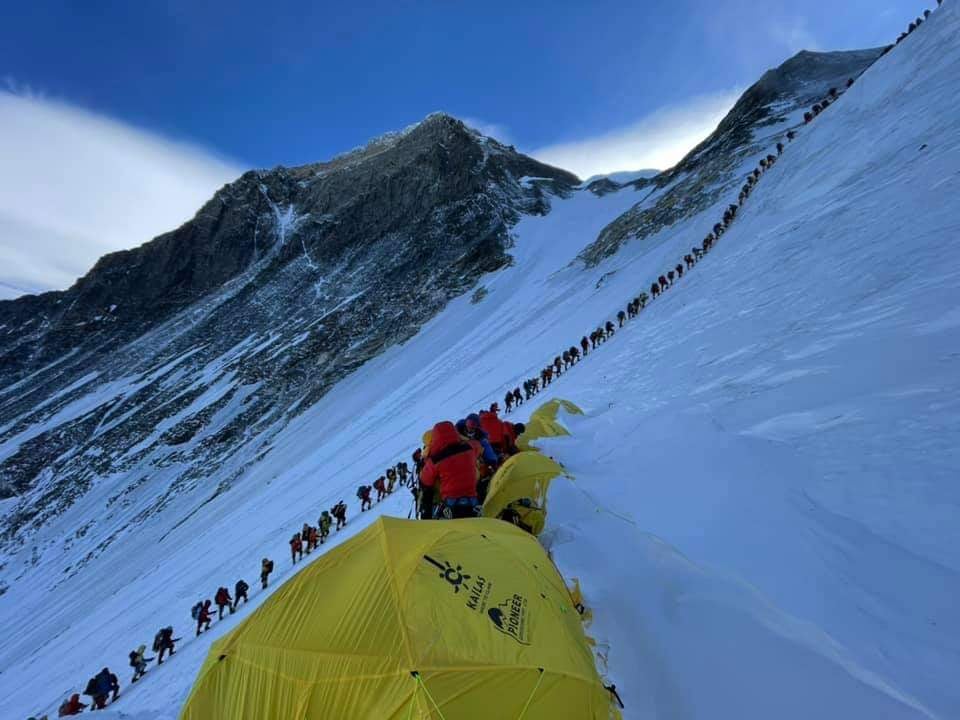
Nepal remains one of the world’s most sought-after destinations for high-altitude trekking and mountaineering. The country is home to eight of the world’s fourteen highest peaks, including Everest, Kanchenjunga, and Dhaulagiri, and the foothills of these mountains host some of the planet’s most cherished trekking routes such as Everest Base Camp, Annapurna Circuit, Langtang, and Manaslu. According to the Nepal Tourism Board, more than 1.6 million foreign tourists visited Nepal in 2024, with a significant number of them undertaking trekking and mountaineering expeditions.
In Nepal, while the weather event was far more severe, better coordination and preparedness appear to have minimized casualties and chaos.
“Thanks to improved coordination and cooperation among stakeholders, these reforms have clearly saved lives.” Lamichhane said. “But there is still a lot more to be done to make mountain tourism safer and more sustainable.”