Nepali teenager becomes one of Everest’s youngest summiteers
Tshering Pasang Sherpa, aged 16 years and five months, reached the summit of Mount Everest during the record-setting 2026 climbing season after years of waiting for a permit.

The 2026 Everest season produced records almost too numerous to count. Kami Rita Sherpa extended his own record for the most ascents of Mount Everest. Lhakpa Sherpa notched her 11th summit, the most by a female climber. Kenton Cool reached the top for a 20th time, the highest tally by a non-Sherpa climber. Records fell almost daily.
One ascent, however, passed largely unnoticed. It belonged to a teenager.
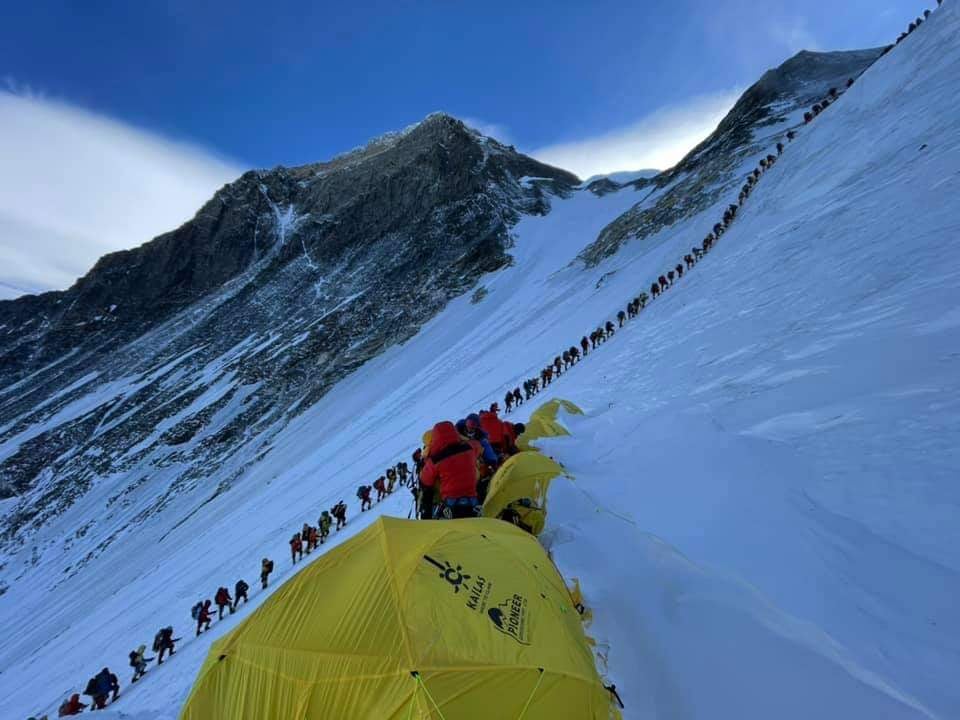
His name is Tshering Pasang Sherpa. On May 20th he reached the summit of Everest, one day before the mountain recorded its busiest day of the season, when 274 climbers stood atop the world’s highest peak. He was just 16 years, five months and 20 days old, making him one of the youngest climbers ever to scale Everest.
At an age when most Nepali teenagers were poring over college prospectuses and anxiously awaiting their Secondary Education Examination results, Tshering Pasang was worrying about crampons, weather windows and the shifting route through the Khumbu Icefall. While classmates discussed grades, he fretted over whether the route above Camp II would stabilise in time for a summit push.
When the SEE results were finally published, he paid them little attention. He scored an A+. But his real concern was whether the mountain would permit safe passage.
He had been waiting years for the opportunity. Had Nepal’s rules allowed it, relatives say, he would have attempted the climb far earlier.
“He wanted to climb Everest when he was only 13,” recalls his uncle, Da Dendi Sherpa. “When he could not get permission, he turned to mountain biking instead. He cycled every day and practised rock climbing. His goal was always mountaineering, not studies.”

Perhaps that was inevitable. His father, Lakpa Temba Sherpa, is a three-time Everest summiteer, while his uncle is a 14-time climber who runs Glacier Himalaya Treks & Expedition, a guiding company based in Nepal. In the Sherpa settlements beneath Everest, mountaineering is less a profession than a family inheritance.
Tshering Pasang trained with near-obsessive intensity. Cycling became both exercise and outlet. He crashed repeatedly, scarring his legs and destroying four bicycles in the process. Each accident only deepened the fixation. He has been a regular wall climber for the past five years and an active mountain biker at the Nepal Cycling School (NCS).
“He has always been interested in sport,” says his uncle. “School never really interested him.”
Everest’s age restrictions delayed, but did not diminish, the ambition. In 2010 Jordan Romero climbed Everest from the Tibetan side at 13 years and ten months old, prompting Chinese authorities to impose a minimum climbing age of 18 on the mountain’s northern face. Nepal followed suit in 2014, setting its own minimum age at 16.
Denied a permit the previous year, Tshering Pasang travelled instead to Everest Base Camp, spending two days among the expedition tents before returning home disappointed but undeterred. Before attempting Everest this spring, he climbed Lobuche East as preparation.

This year he finally secured permission. His father financed the costly expedition after repeated pleading from his son. The teenager then quietly succeeded in summiting the world’s highest mountain.
His ambitions already stretch beyond Everest. Relatives say he dreams of climbing K2 and Annapurna I, peaks whose reputations for danger far exceed Everest’s increasingly commercial image.
Tshering Pasang is determined to build a career in mountaineering, his true passion, to which he has already devoted significant time, discipline, and effort.