Nepal seeks international recognition for six more 8,000-metre peaks
Move could raise the number of recognised mountains above 8,000 metres worldwide from 14 to 20

Nepal has formally sought international recognition for six additional mountains above 8,000 metres, presenting its case to the global mountaineering community at the opening of the International Mountaineering and Climbing Federation's (UIAA) General Assembly in Kathmandu on Thursday.
Fur Gelje Sherpa, president of the Nepal Mountaineering Association (NMA), presented profiles of the six peaks and a study report supporting their recognition as separate mountains above 8,000 metres.
The NMA formed a study team to assess and measure the peaks, compiling evidence of their geographical identities, distinct summits and separate climbing routes.
"Nepal is internationally recognised for its extraordinary mountains and its contribution to global mountaineering. However, we believe that the six additional peaks opened by the government of Nepal for mountaineering deserve serious consideration for recognition as separate 8,000-metre peaks by the international mountain community," Sherpa told the assembly.
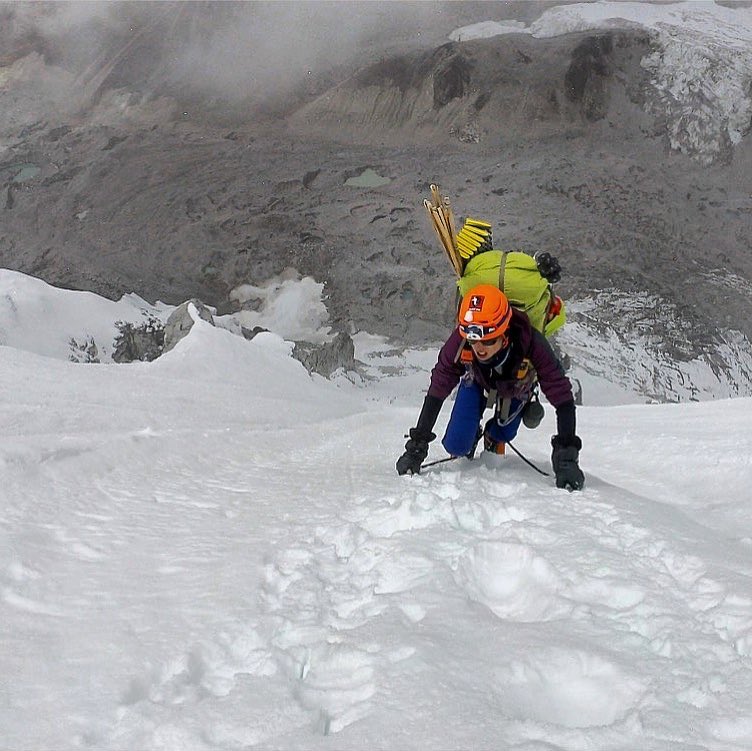
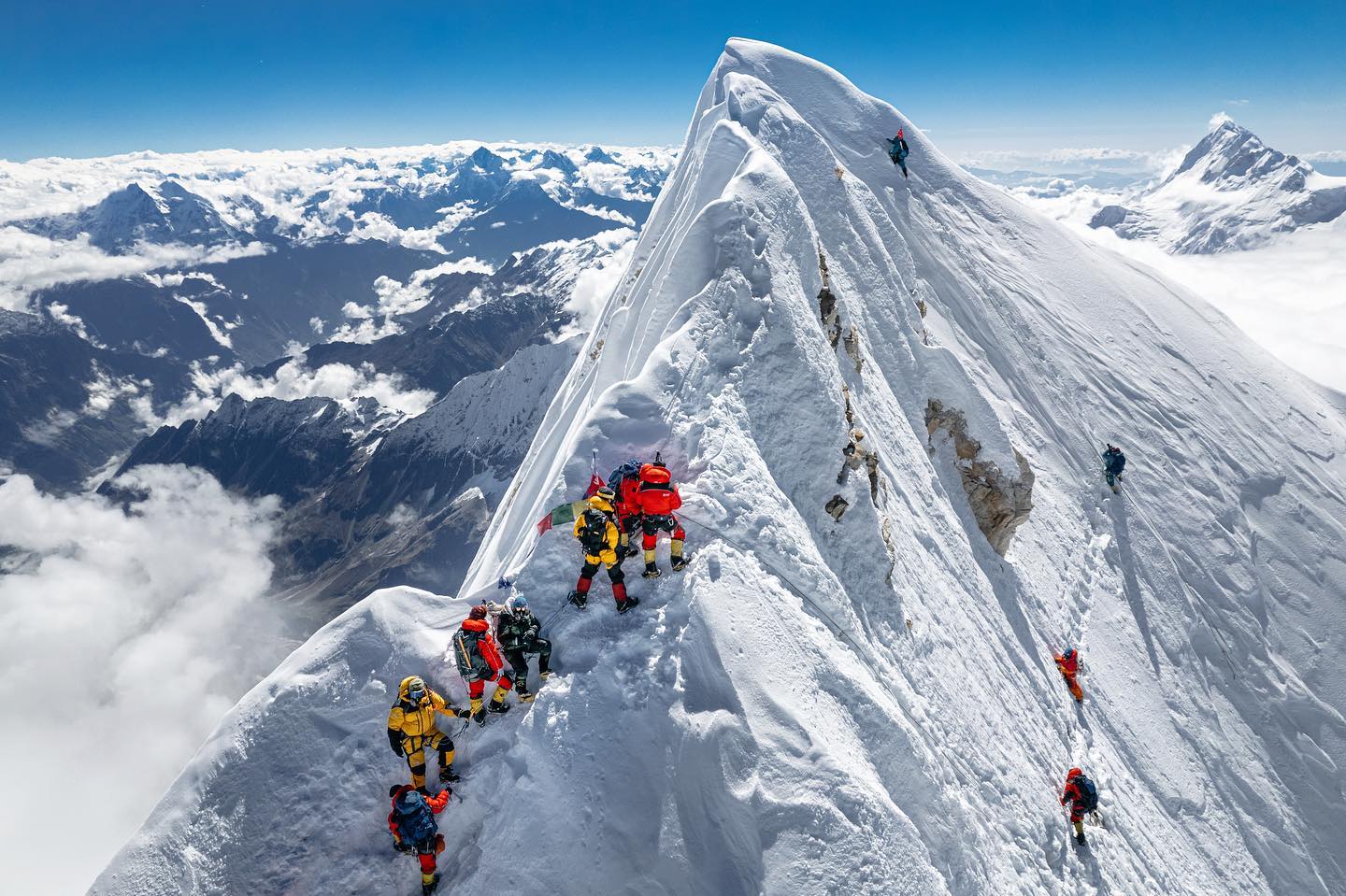
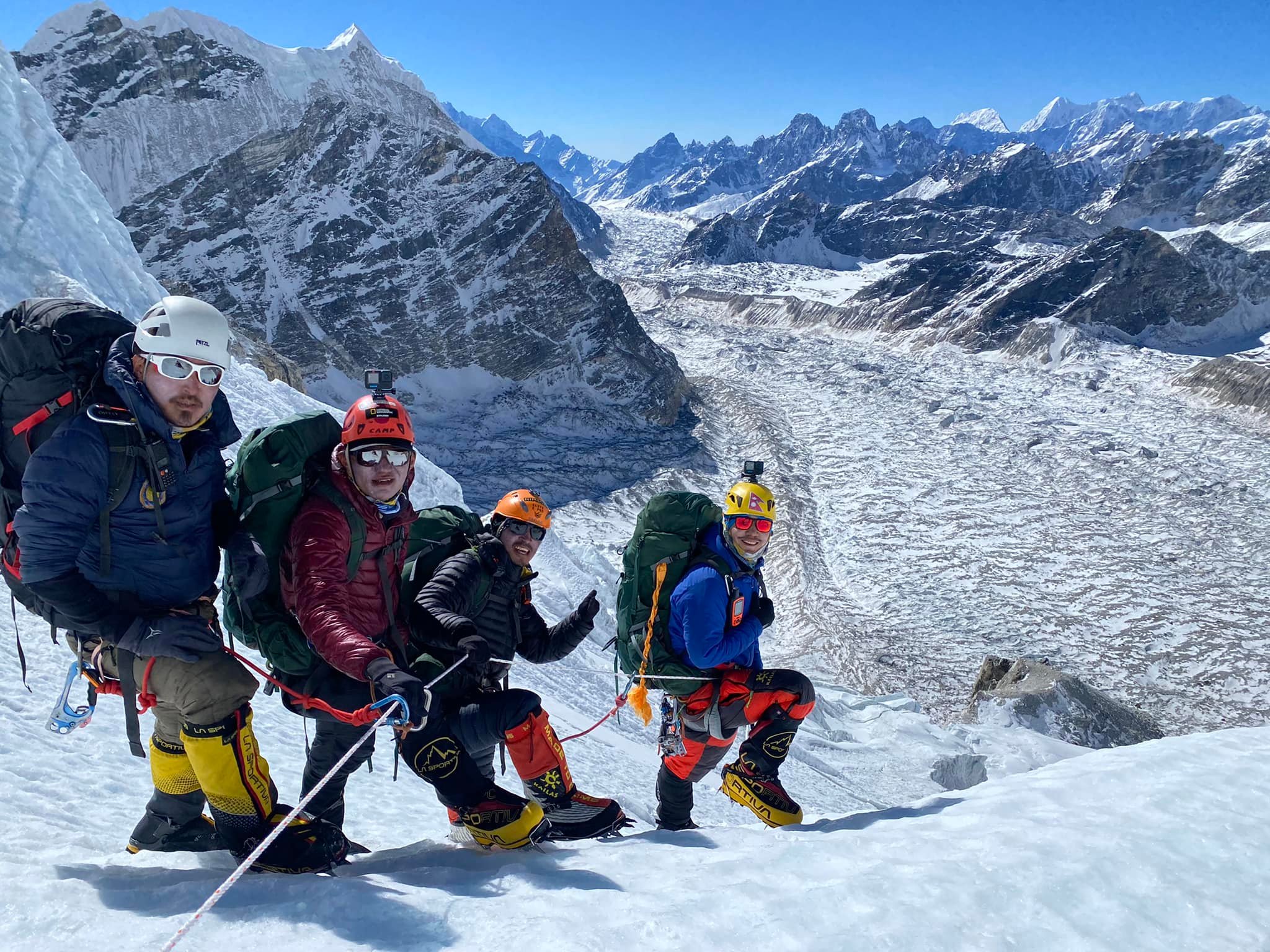
Nepal has issued climbing permits for the six peaks for years, and climbers have summited them and received official climbing certificates. But they have yet to receive international recognition as separate 8,000-metre mountains.
Four of the peaks are in the Kanchenjunga range: Kanchenjunga South (8,476 metres), Kanchenjunga West (8,077 metres), Kanchenjunga Central (8,473 metres) and Yalung Khang (8,505 metres).
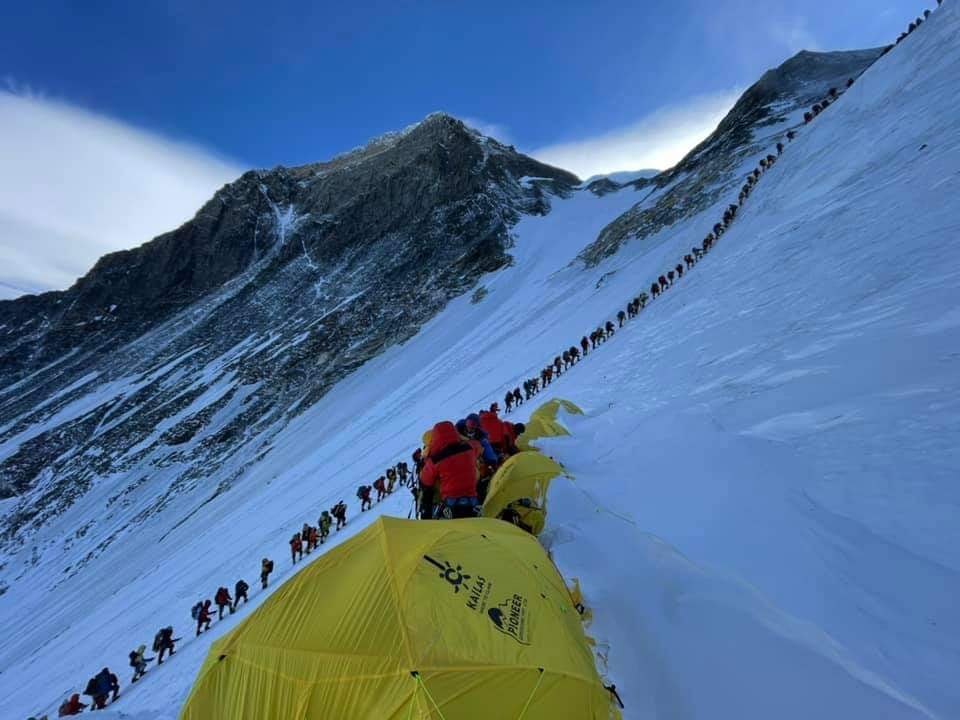
The other two are Lhotse Middle (8,410 metres) and Lhotse Shar (8,400 metres), in the Everest-Lhotse region.
Kanchenjunga, at 8,586 metres, is the world's third-highest mountain.
Sherpa said the name Kanchenjunga reflected the area's five great peaks, which local communities regard as distinct summits.
"People living around these mountains call it 'Kanchen Che Nga', which means great five peaks. That is how they are separate peaks," he said.
If all six receive international recognition, Nepal's tally of recognised mountains above 8,000 metres would rise from eight to 14, while the global total would increase from 14 to 20.
The eight currently recognised peaks in Nepal are Everest (8,848.86 metres), Kanchenjunga (8,586 metres), Lhotse (8,516 metres), Makalu (8,463 metres), Cho Oyu (8,201 metres), Dhaulagiri (8,167 metres), Manaslu (8,163 metres) and Annapurna I (8,091 metres).
Sherpa said previous NMA presidents and executive committees had raised the issue repeatedly, but the proposals had not been accepted.
He argued that each of the six peaks had its own name, geographical identity and summit route, and was recognised as distinct by local communities.
"Climbing one summit does not mean reaching another one," he said.
He also highlighted the exceptional difficulty of climbing above 8,000 metres, saying each separate summit required considerable technical ability, experience and preparation.
"A separate summit above 8,000 metres represents a significant mountaineering achievement and deserves an objective assessment of its individual status," he said.
Recognition could also reshape the challenge facing climbers seeking to complete the world's highest peaks. Nepalese climber Nirmal Purja, known as Nimsdai, completed all 14 currently recognised mountains above 8,000 metres in six months and six days in 2019, setting a benchmark for subsequent climbers.
An expanded list of 20 peaks could create a new goal for mountaineers pursuing records.
Addressing the opening ceremony, Khadak Raj Poudel, Nepal's minister for culture, tourism and civil aviation, described the mountains as a source of national pride deeply intertwined with local cultures and communities.
He also stressed the importance of protecting the Himalayas, which supply water to billions of people across Asia.
The Kathmandu gathering is the third UIAA General Assembly to be held in Nepal, following meetings in 1982 and 2011. The 1982 assembly concluded with the Kathmandu Declaration.
This year's assembly has brought together 95 delegates from 45 countries across five continents.
Founded in 1932, the UIAA promotes mountain safety, sustainable mountaineering practices and international cooperation. It has 99 member associations representing 70 countries and approximately 3.5 million individuals. Nepal's NMA joined the federation in 1975.
The General Assembly follows the third UIAA Mountain Safety Symposium, held in Kathmandu on October 27 and 28.
More than 60 mountaineers, doctors, rescuers, paramedics, insurance representatives and other experts from various countries took part, sharing knowledge and experience to strengthen cooperation on mountain safety.
Participants also attended practical demonstrations and field-based training at the Scout premises in Kakani, Nuwakot.