Nepal marks Everest Day with climbers’ honours and a warning on law reform
Record-breaking ascents are celebrated in Kathmandu as the mountaineering association urges lawmakers to preserve its statutory role

PC: Nepal Mountaineering Association
Nepal marked the 73rd International Everest Day on Friday with celebrations honouring some of the country's most accomplished climbers. Yet alongside the festivities came a reminder that the governance of Nepal's mountaineering industry remains a contested issue.
The annual observance commemorates the first ascent of Mount Everest by Tenzing Norgay Sherpa and Sir Edmund Hillary on May 29th 1953. A procession through central Kathmandu, involving tourism organisations from across the country, culminated in a ceremony attended by Culture, Tourism and Civil Aviation Minister Khadak Raj Paudel.
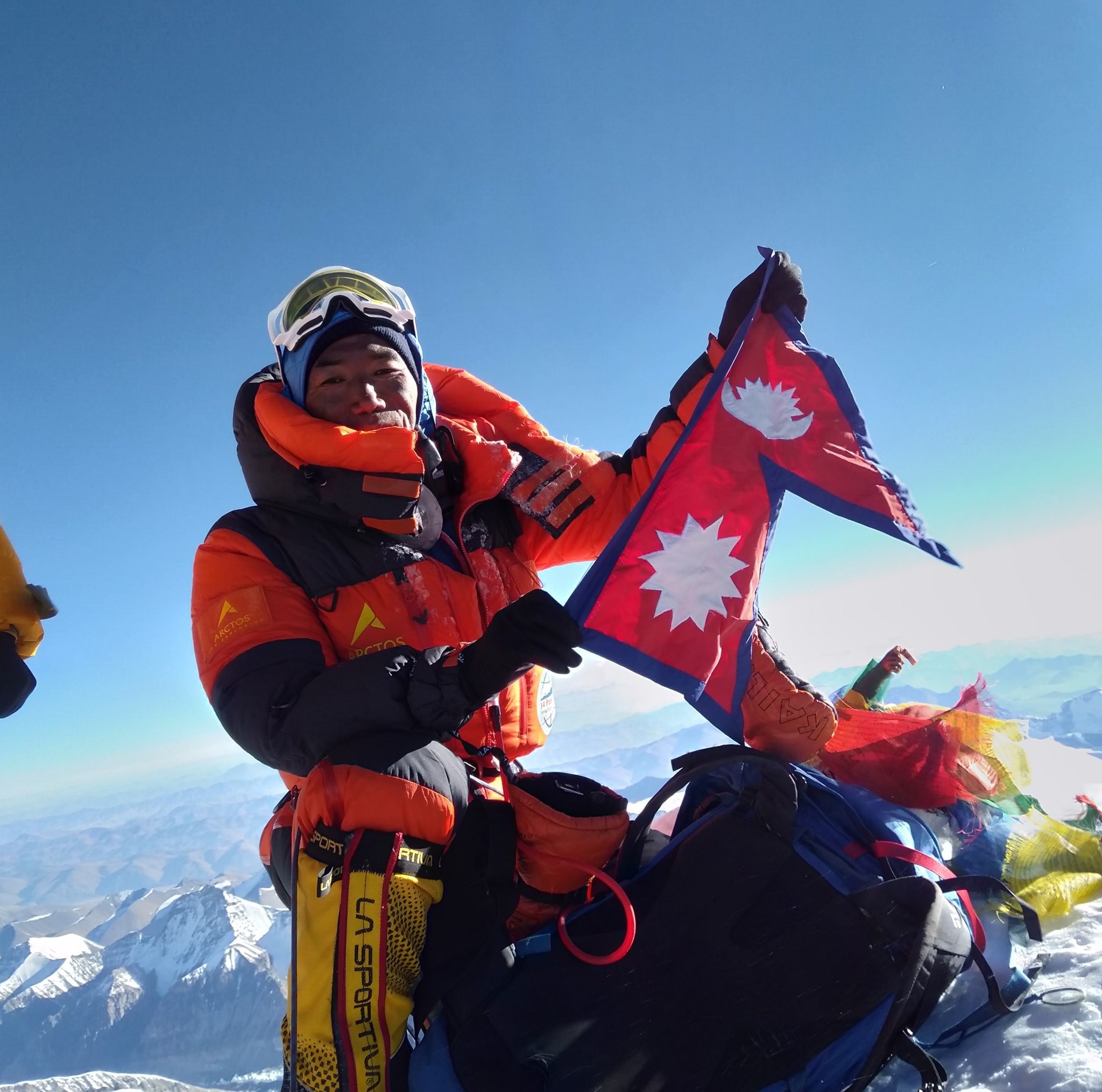
Among those honoured were Kami Rita Sherpa, who this spring extended his own record for the most ascents of Everest to 32, and Lhakpa Sherpa, whose 11 summits remain the highest tally achieved by a woman.
The ceremony also recognised other leading figures in Nepal's mountain sector, including Pasang Dawa Sherpa for his 31st Everest ascent, pilot Priya Adhikari for high-altitude rescue work, Tenzing David Sherpa for climbing Everest, Lhotse and Nuptse in a single season, Purnima Shrestha for summiting Everest three times in one season, and geologist Prof. Dr. Bishal Nath Upreti for contributions to mountaineering research.
Members of the rope-fixing teams responsible for establishing climbing routes on Everest and Lhotse were also presented with letters of appreciation.
But the day's celebrations were accompanied by a more political message. Fur Gelje Sherpa, president of the Nepal Mountaineering Association (NMA), urged lawmakers to preserve the organisation's statutory authority in a proposed new tourism law.
The NMA has long occupied a unique position in Nepal's mountaineering sector, overseeing climbing-related training programmes, managing 27 designated trekking peaks and collecting associated revenues. According to Mr Sherpa, special provisions recognising the organisation's role were incorporated into the Tourism Act of 2035 B.S. He expressed concern that those provisions may have been omitted from the draft legislation now under consideration.
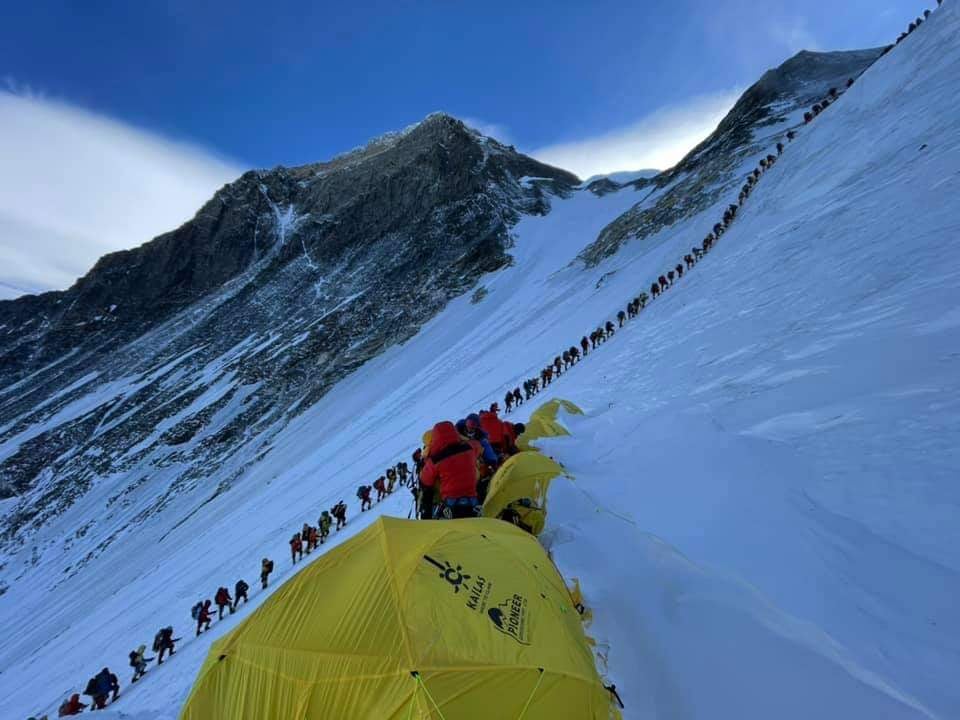
The intervention highlights broader questions about how Nepal intends to govern an industry that has become increasingly important to its economy and international image. As Everest continues to draw record numbers of climbers and global attention, the balance between state oversight and the role of long-established mountaineering institutions is likely to become an increasingly prominent debate.