Nepal eases vehicle restrictions for air passengers, essential services on polling day
Airport transfers and essential vehicles spared restrictions as Nepal prepares for a high-stakes snap election after GenZ movement toppled the government.
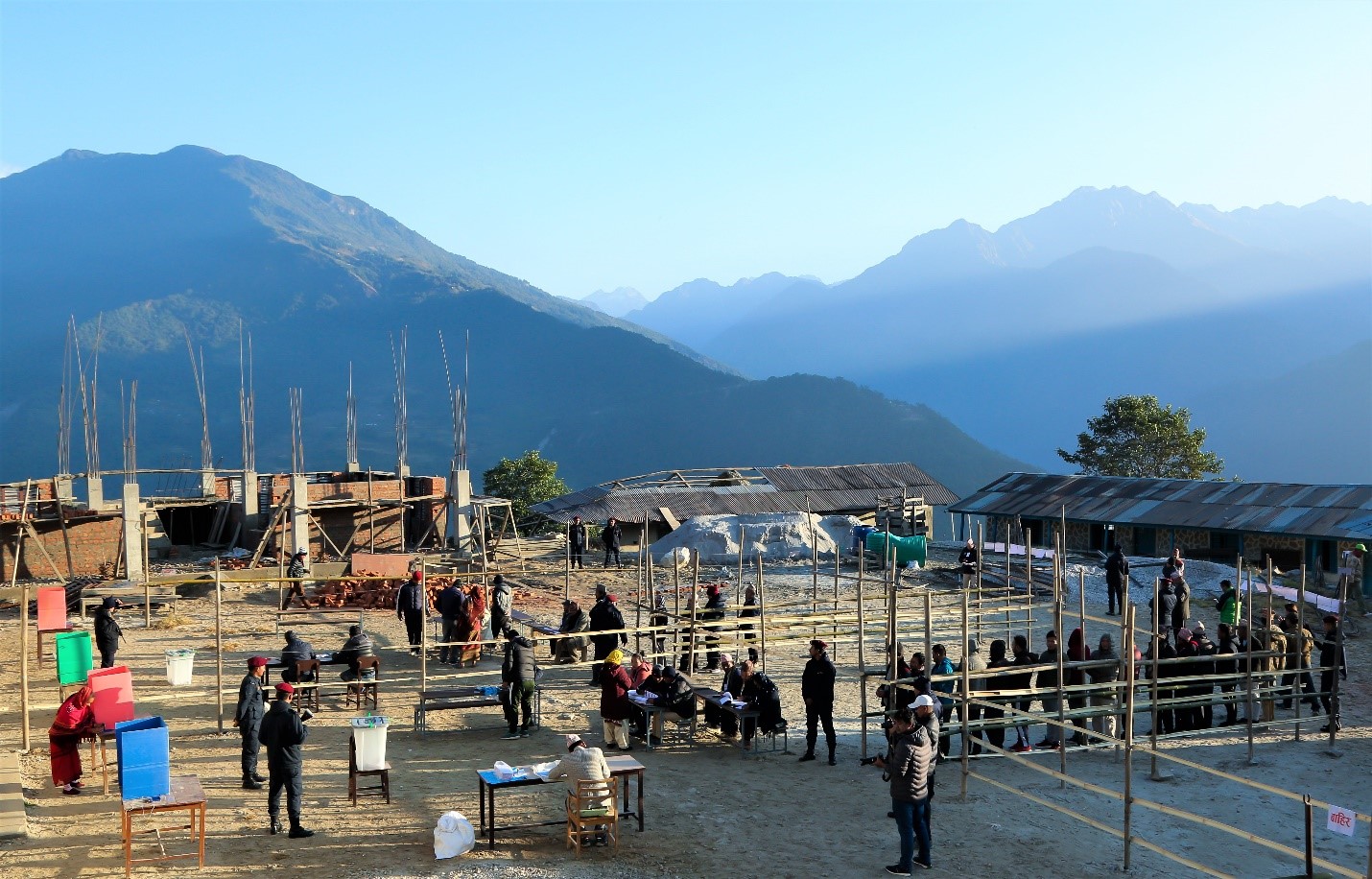
PC: File Photo
Nepal’s Election Commission has relaxed vehicle restrictions for air travelers and essential services on polling day, seeking to minimize disruption as the country prepares for a snap parliamentary election on Thursday.
Authorities typically halt most vehicular movement during voting hours, requiring special permits for travel. But the commission said vehicles carrying international and domestic airline passengers to and from airports — between homes or hotels and terminals — will not need special passes.
The decision is aimed at ensuring smooth travel, particularly in the Kathmandu Valley, home to Nepal’s main international gateway, Tribhuvan International Airport.
Emergency and essential-service vehicles will also be exempt from pass requirements, provided they carry only authorized personnel. They include fire engines, ambulances and hearses; vehicles transporting drinking water, milk, fruits, vegetables, fish, meat and petroleum products; and those maintaining telecommunications, electricity, water supply and sewerage systems.
Hospital vehicles transporting doctors and health workers between home and workplace will be allowed to operate, as will vehicles carrying pregnant women, postnatal mothers, women with infants, people with disabilities, senior citizens unable to walk and individuals performing funeral rites, along with one helper.
Diplomatic vehicles bearing “CD” number plates are exempt, along with vehicles used by accredited election observers, National Human Rights Commission monitoring teams and credentialed media personnel within designated areas.
The commission said it has set up an Integrated Vehicle Movement Desk at its headquarters in Kathmandu, staffed by representatives from the Election Commission, the Ministry of Home Affairs and the Kathmandu District Administration Office. The desk is issuing vehicle passes that would normally be distributed by district offices in Kathmandu, Bhaktapur and Lalitpur.
Authorities said the exemptions are intended to balance security with the need to keep essential services and travel running on election day.
The parliamentary election has been called nearly two years early after youth-led protests against corruption last September toppled the government and dissolved Parliament.
The unrest began with demonstrations led largely by members of Generation Z. On the first day, police opened fire, killing 19 people, including schoolchildren. The violence escalated the following day into nationwide protests, with crowds attacking public property and setting fire to government buildings, including courts. Ministers and the prime minister were airlifted to safety.
In total, 76 people were killed over two days of unrest that brought down the government and ended the legislature’s term. An official inquiry commission was formed to investigate the violence, but it has not made its findings public.
An interim, nonpartisan administration was established with a mandate to hold elections within six months.
Dozens of parties are contesting 275 seats in the federal Parliament — 165 elected through a first-past-the-post system and 110 through proportional representation. More than 3,400 candidates are running for office.
Nearly 19 million citizens are eligible to vote, including about 800,000 first-time voters, giving the election a strong generational dimension.
The race centres on four main parties: the Nepali Congress; the Communist Party of Nepal (Unified Marxist–Leninist); the Nepali Communist Party; and the Rastriya Swatantra Party, a four-year-old party that has positioned itself as an anti-establishment force.
Among the high-profile candidates is Balendra Shah, the former mayor of Kathmandu, who is contesting in Jhapa-5 and has been projected by the Rastriya Swatantra Party as a potential prime minister. He faces K. P. Sharma Oli, chairman of the Communist Party of Nepal (Unified Marxist–Leninist) and a former prime minister who was in office during last year’s protests.
Another figure discussed as a possible prime minister is Gagan Thapa, the newly elected president of the Nepali Congress and a four-term lawmaker who publicly acknowledged the youth-led protests. The 49-year-old seasoned politician previously served as health minister.
“It appears many voters are drawn to the slogan of change,” political scientist Bhaskar Gautam said. “There is a sentiment: We have tolerated the old parties — why not try the new? But change in leadership alone does not guarantee change in governance.”
Gautam added that some emerging political forces appeared to be capitalizing on last year’s violent protests without anyone taking responsibility or being held accountable for the destruction that followed. Allowing a government to be overturned through unrest without clearly establishing responsibility, he warned, could set a troubling precedent.
“If a party rises on the back of such a wave, can we realistically expect it to uphold accountability later?” said Gautam.


