Himlung avalanche exposes precarious lives of mountain workers
Fifteen Nepali high-altitude workers died at Himlung Himal, leaving families without breadwinners and renewing questions over protection for the people who keep expeditions running

Lak Kumar Gurung loved to travel.
Born into a family of British Gurkha soldiers, Gurung spent much of his life away from his home village of Dimma in eastern Nepal’s Khotang district.
The small settlement near the Rawakhola river, close to trekking routes leading towards Solukhumbu, has long been linked to the tourism industry. Like many young people from the area, Gurung joined trekking groups during the season.
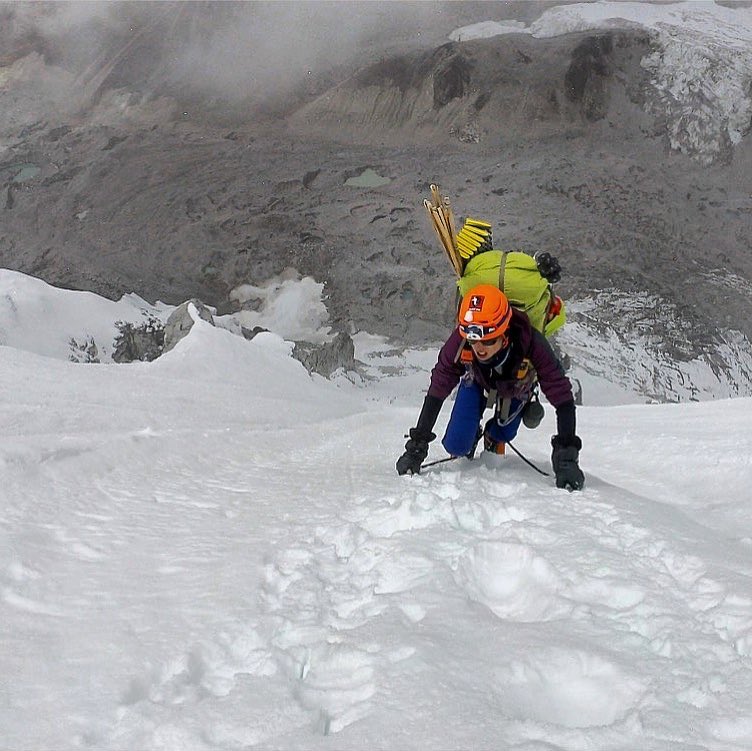
This autumn, he went to Himlung Himal, a 7,126-metre peak in western Nepal.
He was planning to leave for Britain after the expedition.
“His flight was scheduled for October 21, but this happened,” said Shree Kumar Rai, a neighbour and elected representative from Gurung’s village.
Gurung ran a small shop in Kathmandu outside the trekking season. He was also the father of two children — a 10-year-old daughter and a two-year-old son.
Gurung was among 16 high-altitude workers buried beneath snow at the camp. Fifteen bodies have since been recovered. One worker remains missing.

The expedition's clients had not yet reached base camp. Kitchen staff and other mountain workers had arrived ahead of them to prepare the camp for their scheduled arrival on October 1.
But the weather turned against them.
Snow had been falling heavily since September 24. The workers considered descending to a lower village, but the route was buried under snow.
They decided to stay another night.
They kept watch and repeatedly cleared snow from their tents to prevent them from collapsing under its weight.
Then, during the night of September 27, snow swept down from above the camp.
“It did not come down as a big avalanche,” recalled Chheden Lama Bhote, a seven-time Everest summiteer who survived the disaster.
The workers heard a rumbling sound but did not immediately realise that an avalanche had buried the kitchen and dining tents where their colleagues were sleeping.
Bhote and 10 other workers survived because their tents had been pitched farther from the main base camp.
The kitchen and dining tents had been moved to an area where a newly installed water tap was available. Previously, workers had to walk for hours to collect water.
“This year, the local authority set up a piped water supply at the base camp,” Bhote said in an interview with Everest Chronicle.
The change brought convenience. It also placed the kitchen and dining area in the path of the falling snow.
Bhote lost two cousins, Chhebi and Pasang, in the avalanche.
For him, the Himlung disaster brought back memories of another catastrophe.
He began his mountaineering career in 2015, the year a magnitude 7.8 earthquake struck Nepal. He was at Everest base camp when an avalanche swept through the camp, killing 19 people.
His tent had been pitched several metres away from the main cluster. He survived.
This year, once again, he survived because his tent was farther from the danger.
But the survivors were acutely aware that those who died were not peripheral figures in the expedition.

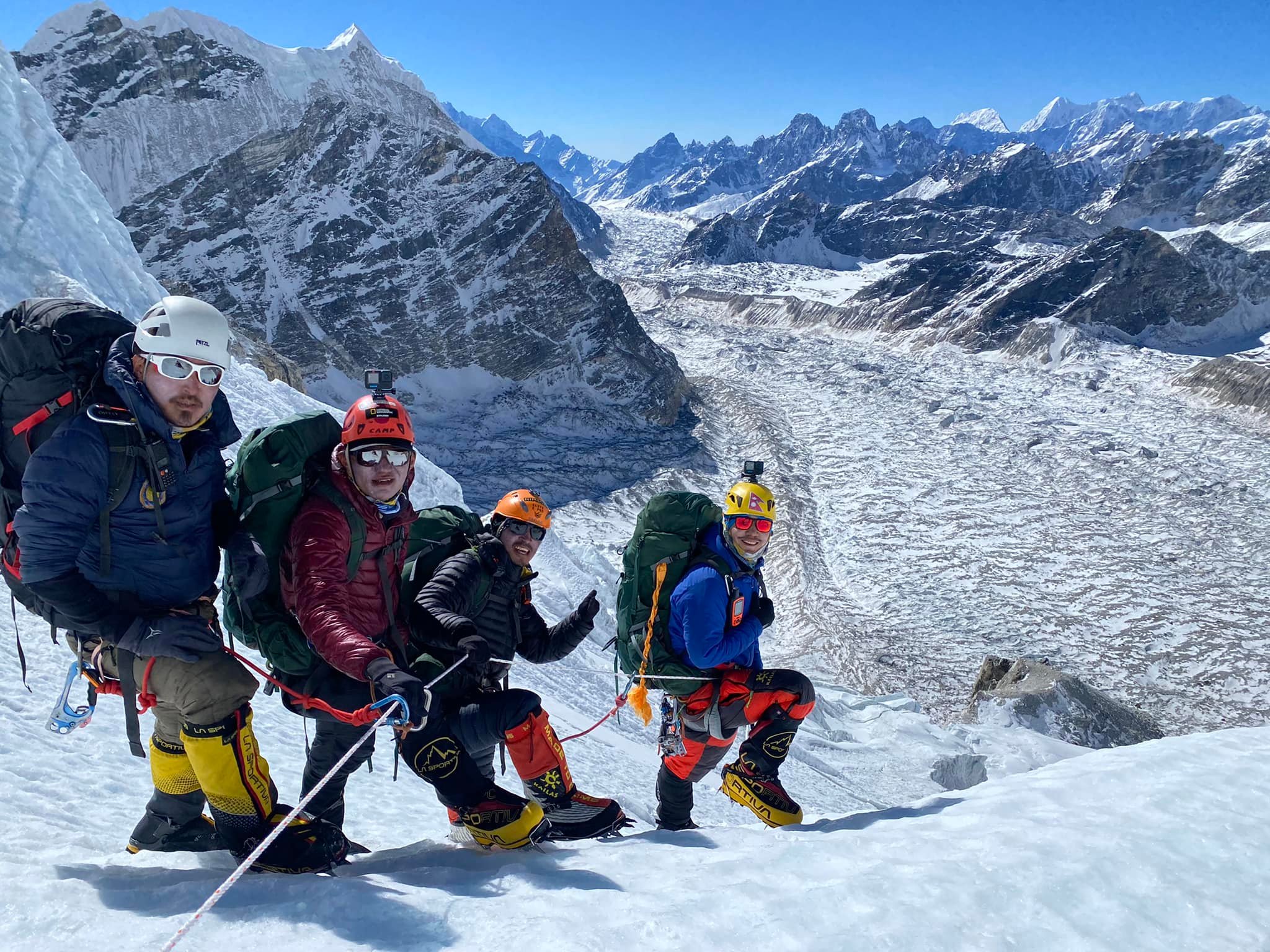
“They are equally important members of the climbing community,” said Abiral Rai, an IFMGA-certified mountain guide and treasurer of the Nepal National Mountain Guide Association.
The Himlung avalanche was among Nepal’s deadliest recent disasters involving mountain workers — and one of the rare tragedies in which all the victims were Nepali.
The workers left behind families with little or no financial support.
They are seasonal workers who can earn only a few hundred dollars during an expedition season. Although they regularly work at high altitude on different mountains, many are paid daily wages, leaving their families vulnerable when accidents occur.
Beyond mandatory insurance, there is little protection for them.
In February, the government revised its mountaineering royalty and insurance rules, setting minimum accident insurance coverage at Rs 2 million for mountain guides and high-altitude workers.
But insurance offers little security to families who lose their main breadwinner.
“The government may take a special decision for them, but no decision has been made so far regarding the high-altitude workers who died at Himlung base camp,” said Nisha Thapa Raut, director at the Department of Tourism.
For Bhote, the repeated deaths of mountain workers raise a broader question: who will continue doing the work if their families are left without support?
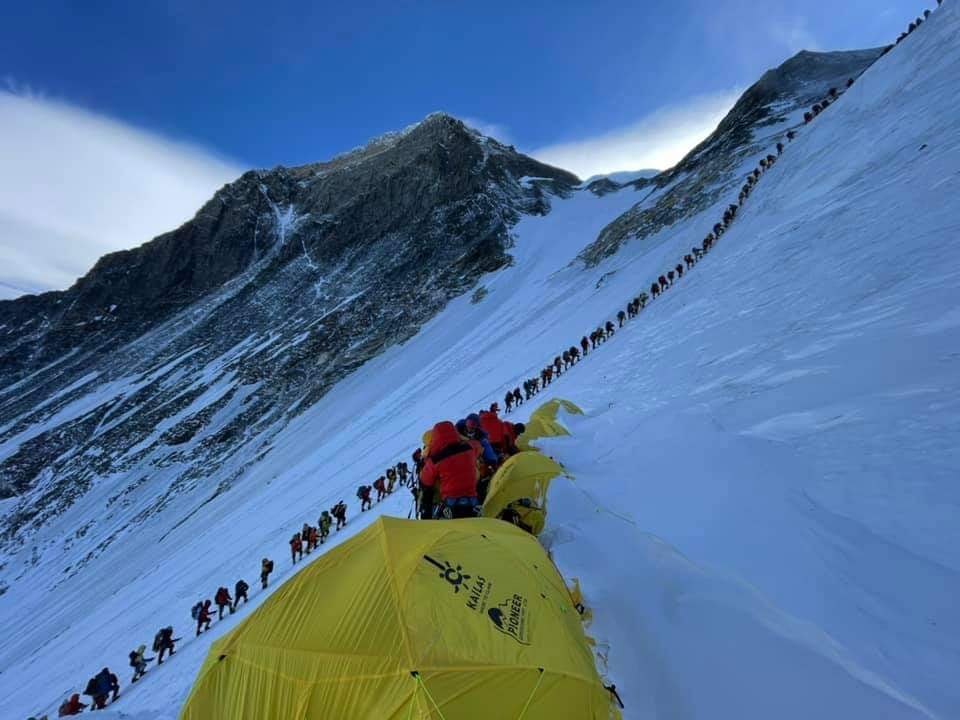
“This is not a one-off incident. It happens frequently. Even this year, two high-altitude workers died on Everest,” he said.
“The government must support their families, especially with their children’s education and a regular source of income, perhaps by providing jobs. Otherwise, who will remain to work on the mountains?”