Mountaineers’ body calls for high-level probe into disappearance of high-altitude worker and alleged rescue negligence
Everest Summiteers Association alleges negligence and delayed response after 57-year-old Dawa Sherpa was left behind near Camp III during descent
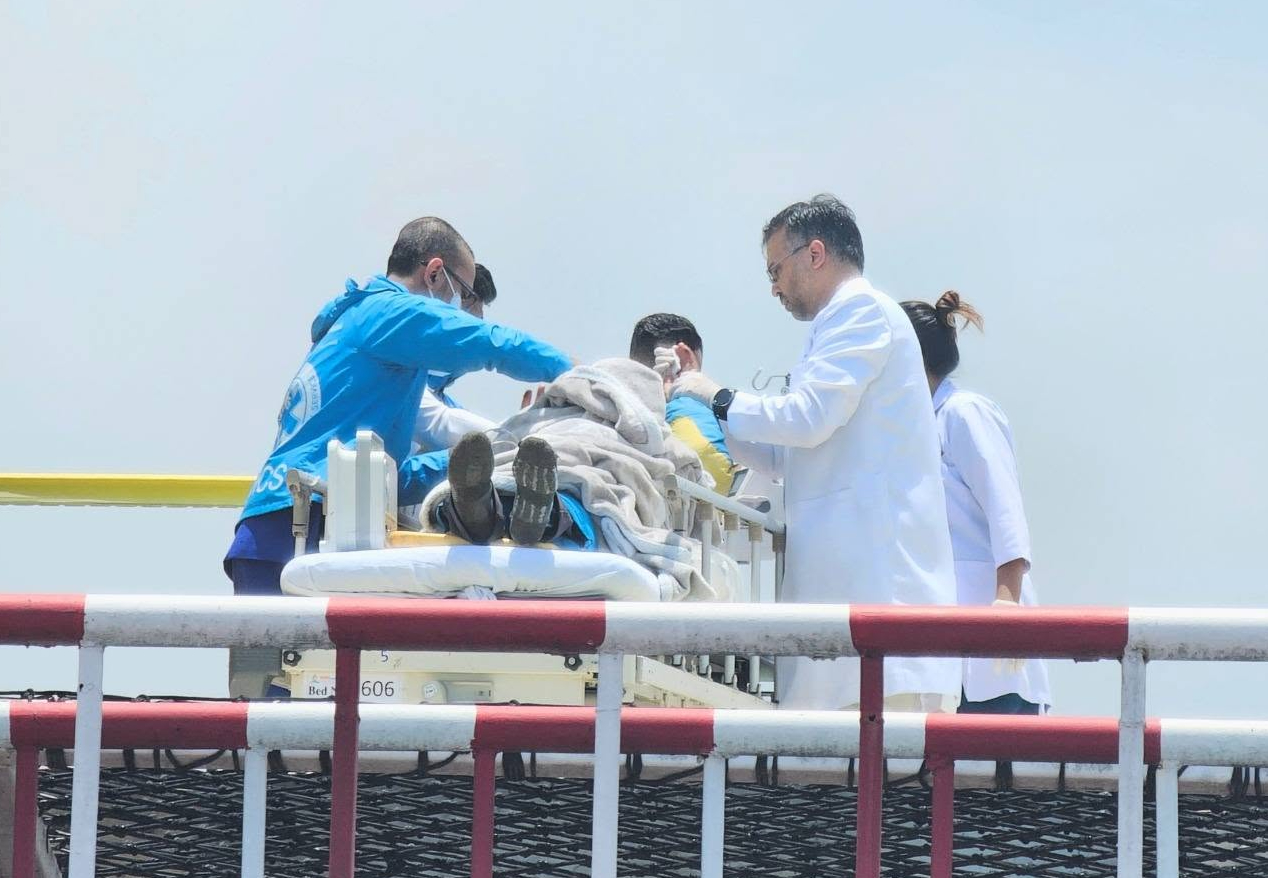
PC: Hams Hospital
A mountaineers’ association has called for an independent investigation into the disappearance of a 57-year-old Sherpa worker on Mount Everest, after he was allegedly left behind during a descent near Camp III, raising fresh questions over safety protocols and search-and-rescue systems in Nepal’s high-altitude tourism industry.
Dawa Sherpa, a cook attached to the Himalayan Traverse expedition, went missing on May 29 near the Yellow Band section above Camp III while descending the summit route. The Everest Summiteers Association, in a statement issued on June 6, said he reportedly became separated from his team and was left behind during the descent.
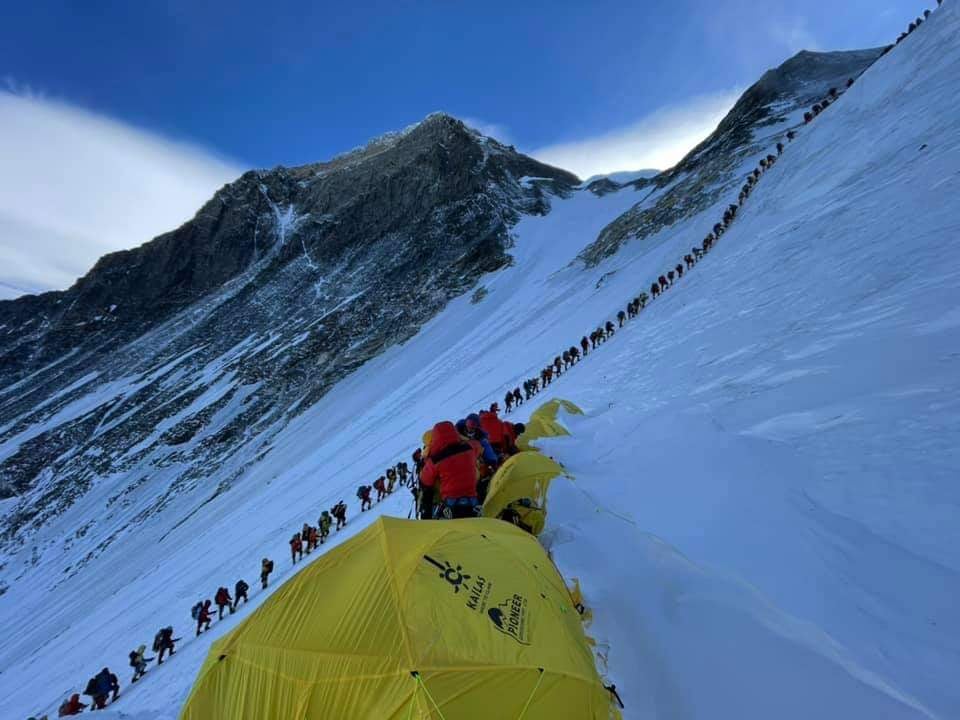
The association said no formal rescue operation was launched for six days. By May 31, expedition teams had already dismantled and removed fixed ladders from the Khumbu Icefall and returned to base camp as the climbing season wound down, effectively ending the spring climbing season on Everest and leaving him stranded at extreme altitude without food or supplemental oxygen.
He was found alive on June 4 by a Sagarmatha Pollution Control Committee waste-management team, reportedly crawling toward lower camps near Crampon Point. His family had already begun funeral rites after being informed by the expedition organiser.
The association said it wished to draw “serious attention” to what it described as a case of alleged negligence and inadequate emergency response in the Everest region.
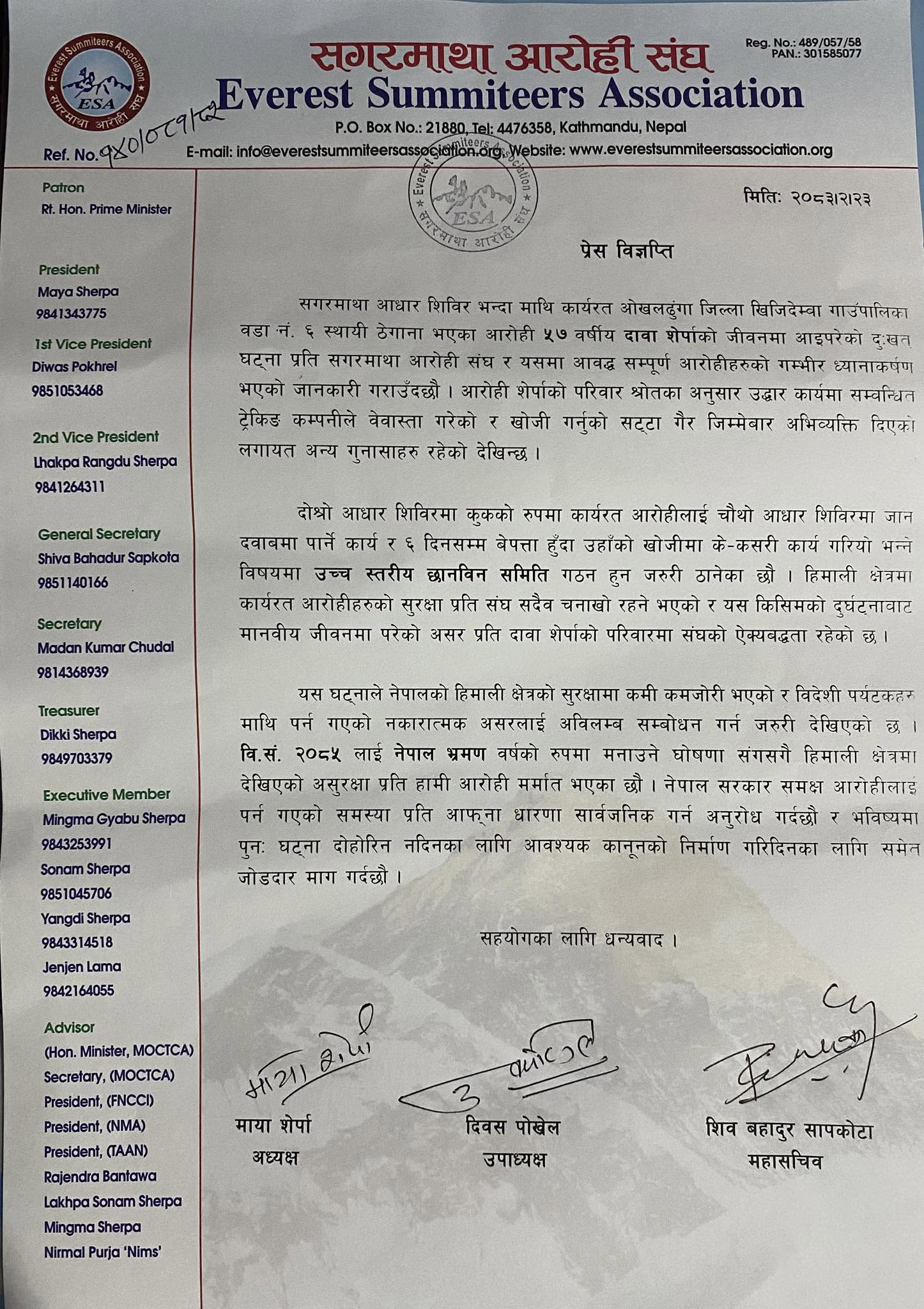
Citing information provided by the family, it raised concerns over the conduct of the trekking company involved, as well as what it called “irresponsible statements” about search efforts.
Dawa Sherpa, also known as “Hillary Dawa”, was assigned to work as a cook at Camp II and was reportedly sent to lead a client toward the summit despite not having prior summit experience, according to the association.
The association demanded a high-level investigation committee to determine how search-and-rescue operations were handled in the critical days after his disappearance.
It said it had long raised concerns over working conditions and safety standards for high-altitude workers in Nepal’s Himalayan tourism sector and expressed solidarity with the family.
The statement said the incident exposed structural weaknesses in mountain safety arrangements and risked damaging Nepal’s reputation among foreign climbers and expedition operators.
Nepal has declared 2028 as “Visit Nepal Year,” and the association warned the case highlighted “apparent gaps” in oversight and enforcement in the Everest region. It urged the government to clarify its position and strengthen regulations to prevent similar incidents.