Melting ice and mounting waste alarm Everest climbers
Sherpas and guides say rising temperatures are reshaping the Khumbu Icefall, exposing rock, swelling meltwater streams and worsening pollution on the world’s highest peak.
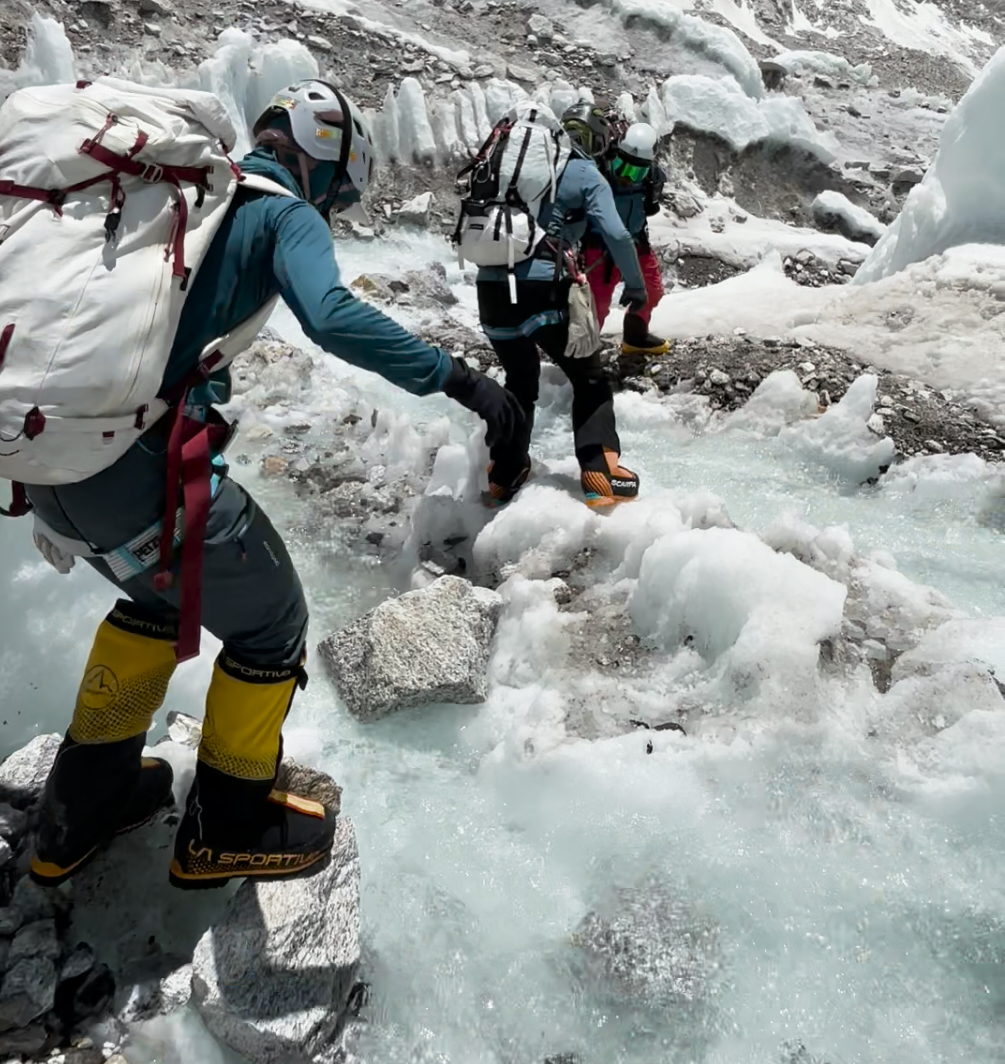
PC: Abiral Rai
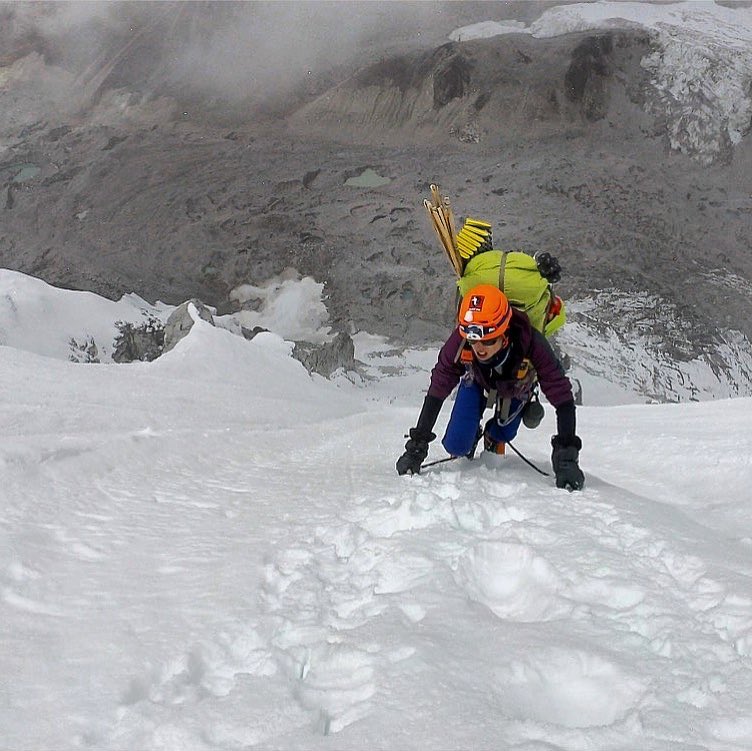
Crossing crevasses in the Khumbu Icefall has long been regarded as one of the most perilous stages of the climb up Mount Everest. Yet before climbers even reach the labyrinth of ladders and seracs, they now face a newer obstacle: meltwater streams cutting directly across the approach route.
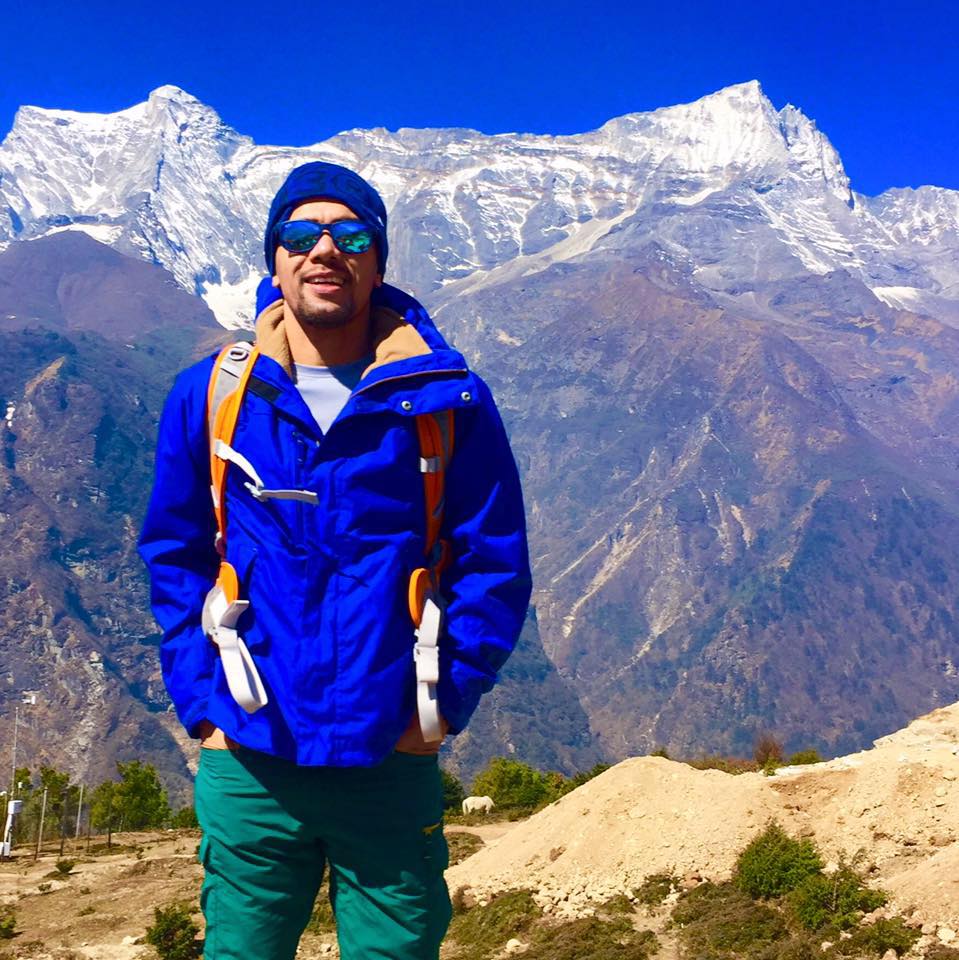
“These streams have grown every year,” says Abiral Rai, an IFMGA-certified guide who filmed the section this season. He attributes the widening channels to retreating ice. “It is clearly the result of global warming. Everest is becoming a live case study of rising temperatures.”
For mountaineers, the danger is immediate. For scientists, it is another sign of the accelerating transformation of Himalayan glaciers, changes extensively documented by researchers at International Centre for Integrated Mountain Development (ICIMOD).
ICIMOD’s research shows that glacier melt rates have doubled since 2000, while between 1990 and 2020 Himalayan glaciers lost around 12% of their total area.
At the foot of the Icefall, climbers now descend by fixed rope onto a steep traverse of exposed rock and thinning ice that takes roughly half an hour to cross. Veteran Sherpas say the section, once buried beneath deep snow, has altered dramatically in recent years—an unmistakable marker of warming temperatures reshaping Everest’s lower slopes.
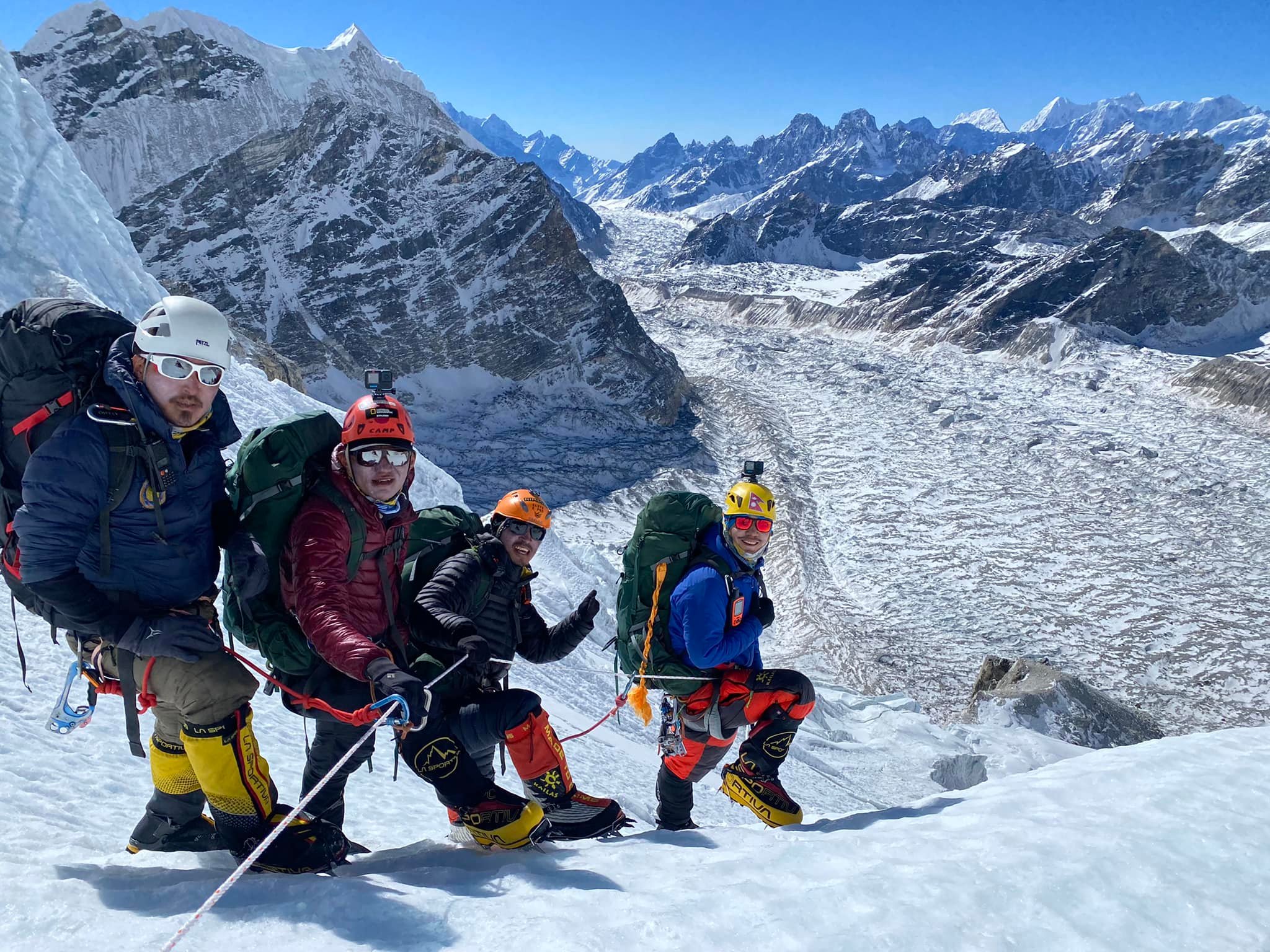
A waterfall now runs beside the climbing line, an improbable sight at more than 5,500 metres. Three years ago the Icefall Doctors—the specialist Sherpa team that fixes the route through the Khumbu each season—shifted the path to this flank of the glacier. Climbers now move across terrain earlier expeditions largely avoided.
The changes, however, often pass unnoticed. The section is technically demanding, leaving little time for reflection. “Many people do not really see the change,” says Dorjee Gyanjen Sherpa, who reached the summit for a 25th time this spring and has spent decades watching the glacier retreat.
On May 23rd, during his descent, he filmed meltwater cascading beside the route. “This is concerning,” he said. “The retreating ice and increasing meltwater are obvious to everyone. Even ordinary people like us can see the mountains are melting.”
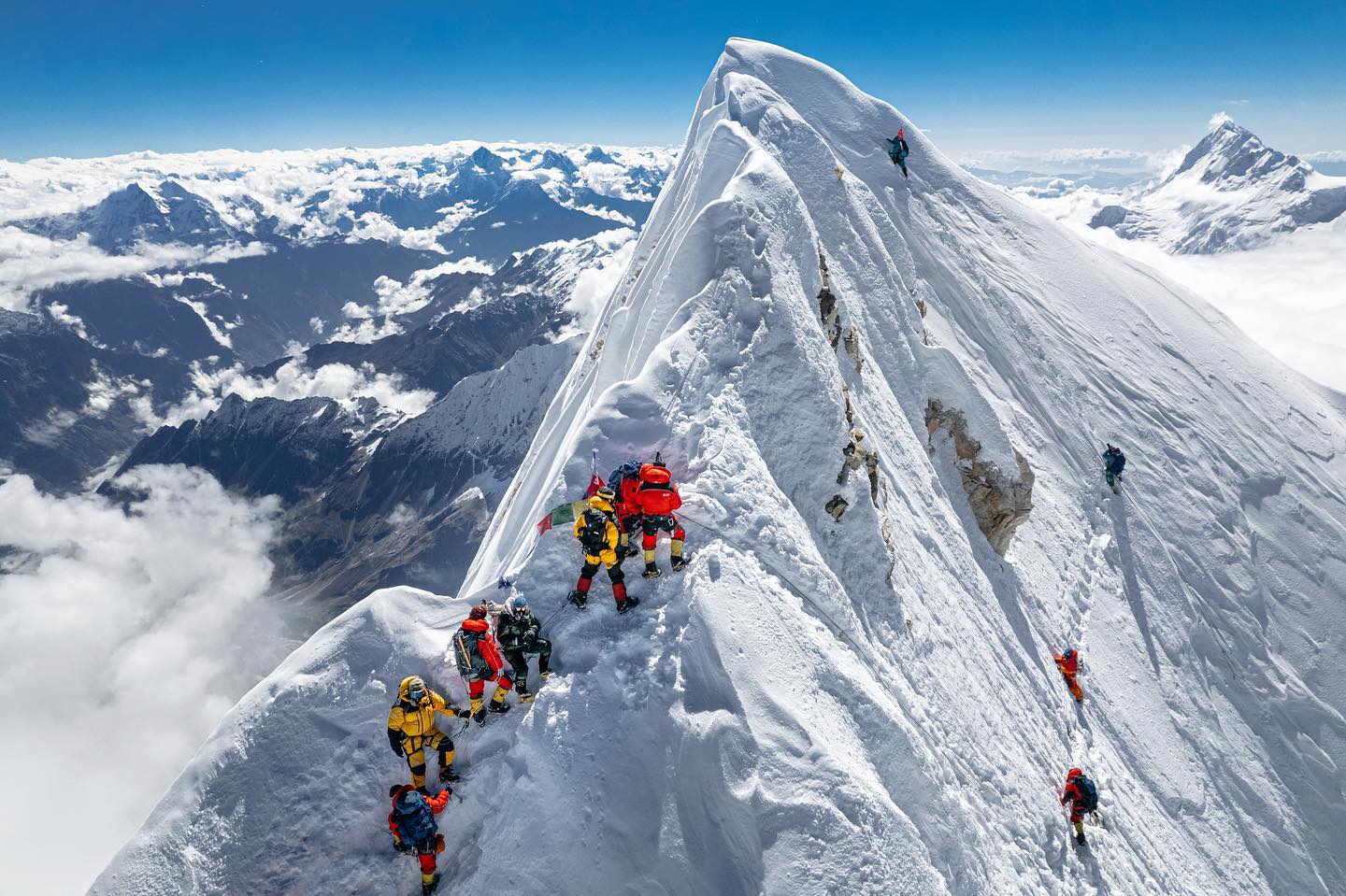
His remarks come as Nepal marks Everest Day on May 29th, commemorating the 1953 first ascent of Everest by Tenzing Norgay Sherpa and Edmund Hillary. The anniversary remains a celebration of endurance and national pride. Increasingly, though, it is shadowed by environmental anxiety.
On the mountain itself, climbers and guides report more exposed rock, widening melt channels and increasingly unstable ice compared with even a decade ago. Research by ICIMOD suggests Himalayan glacier melt rates have doubled since 2000, with the region losing roughly 12% of its glacier area between 1990 and 2020.
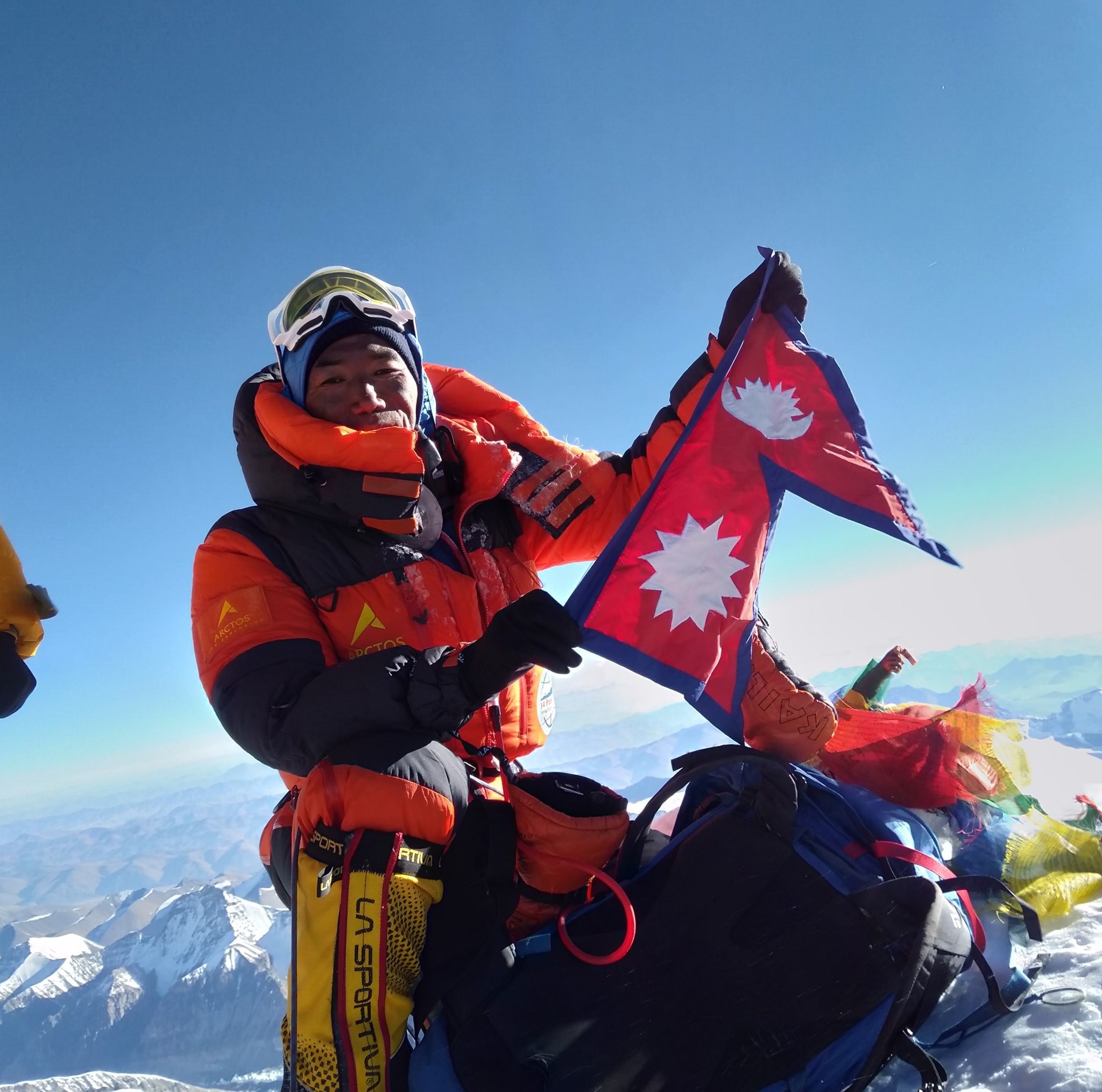
“In the early days we melted snow at base camp for drinking water. Now we fetch water directly from streams,” says Kami Rita Sherpa, who completed his 32nd ascent this spring. “At Camp II we saw meltwater flowing through the snow itself. The snow is disappearing rapidly.”
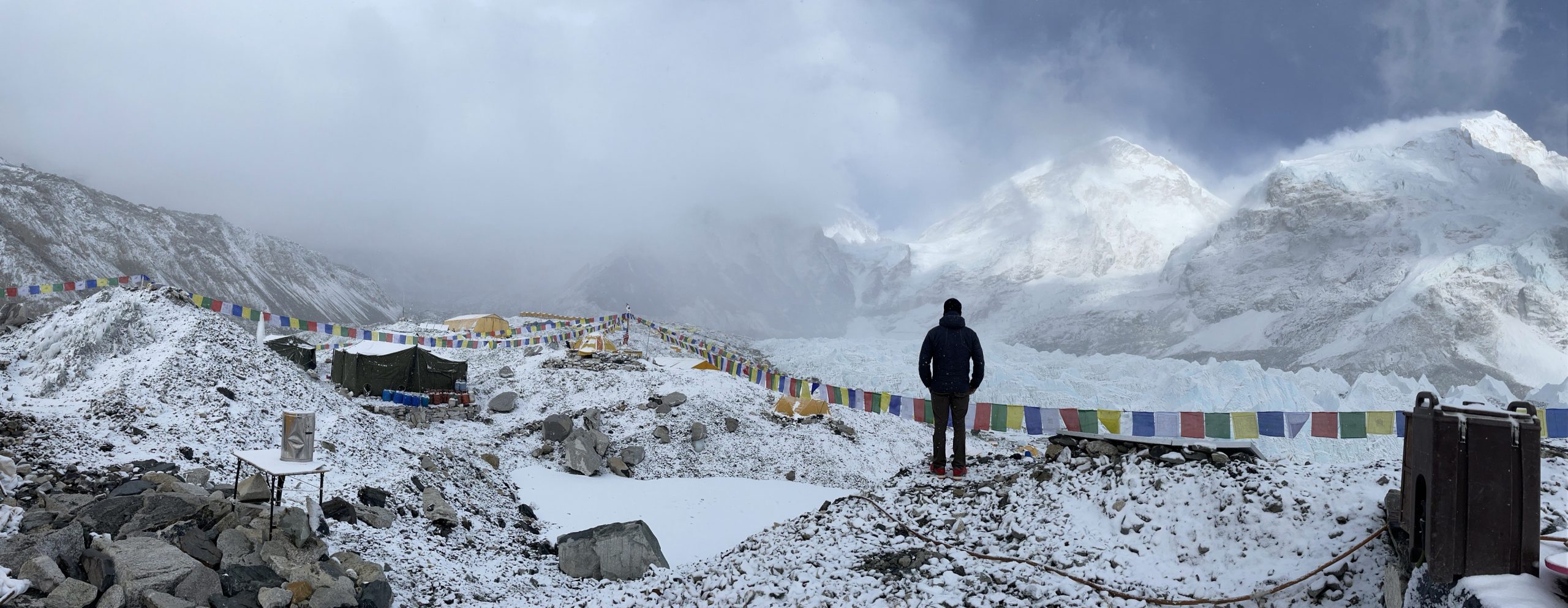
Alongside the melting ice lies another legacy of modern Himalayan climbing: waste. Discarded oxygen cylinders, torn tents and human waste continue to accumulate despite periodic clean-up campaigns. Retreating glaciers are exposing not only the fragility of the climbing routes, but also the environmental footprint left behind by decades of commercial expeditions.
Kami Rita argues that Everest Day should involve more than rallies, speeches and cocktail receptions in Kathmandu. “Everest Day should be celebrated at base camp itself, if we truly want to honour the legacy of Tenzing Norgay and Edmund Hillary,” he says. He proposes mountain clean-up drives involving guides and climbers from Nepal and abroad. “We must save the mountain for future generations.”
So far, such efforts have struggled to match the scale of the problem. Government campaigns and periodic clean-ups have removed tonnes of rubbish from Everest, but waste continues to accumulate as expedition numbers rise.
In Kathmandu, climbers were honoured and rallies organised to mark Everest Day. Beyond the ceremony, however, critics say there has been little sustained effort to preserve the mountain’s fragile environment.
“We do not even know how many people are at base camp during the spring season,” says Narendra Shahi, an IFMGA guide.
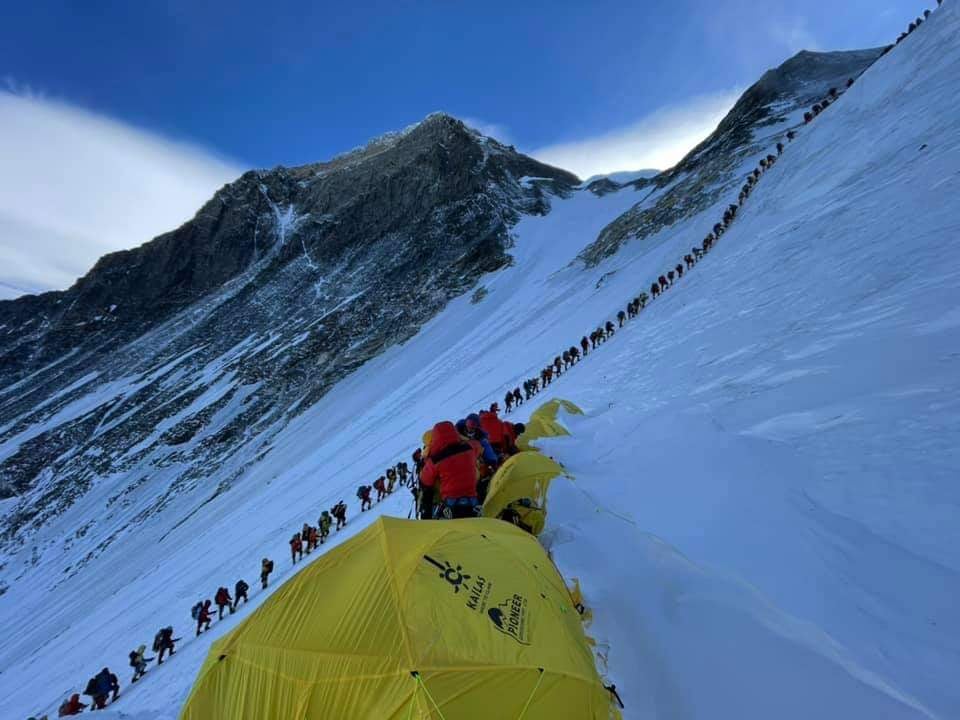
Nepal issued 494 climbing permits for Everest this spring. With guides, assistants, kitchen staff, porters and high-altitude workers included, the actual number of people moving through the mountain is far higher. Yet there is no comprehensive official record of how many support staff operate on the peak each season.
“The show goes on because many people still fail to see the scale of the problem,” says Narendra, adding, “Global warming, mounting waste and over-commercialisation all seem unimportant for now.”