Leopard attacks kill two in one day in Bardiya
A woman gathering fodder and a man cutting grass were killed hours apart as rising tiger populations push leopards into villages, alarming residents and officials around Bardiya National Park.
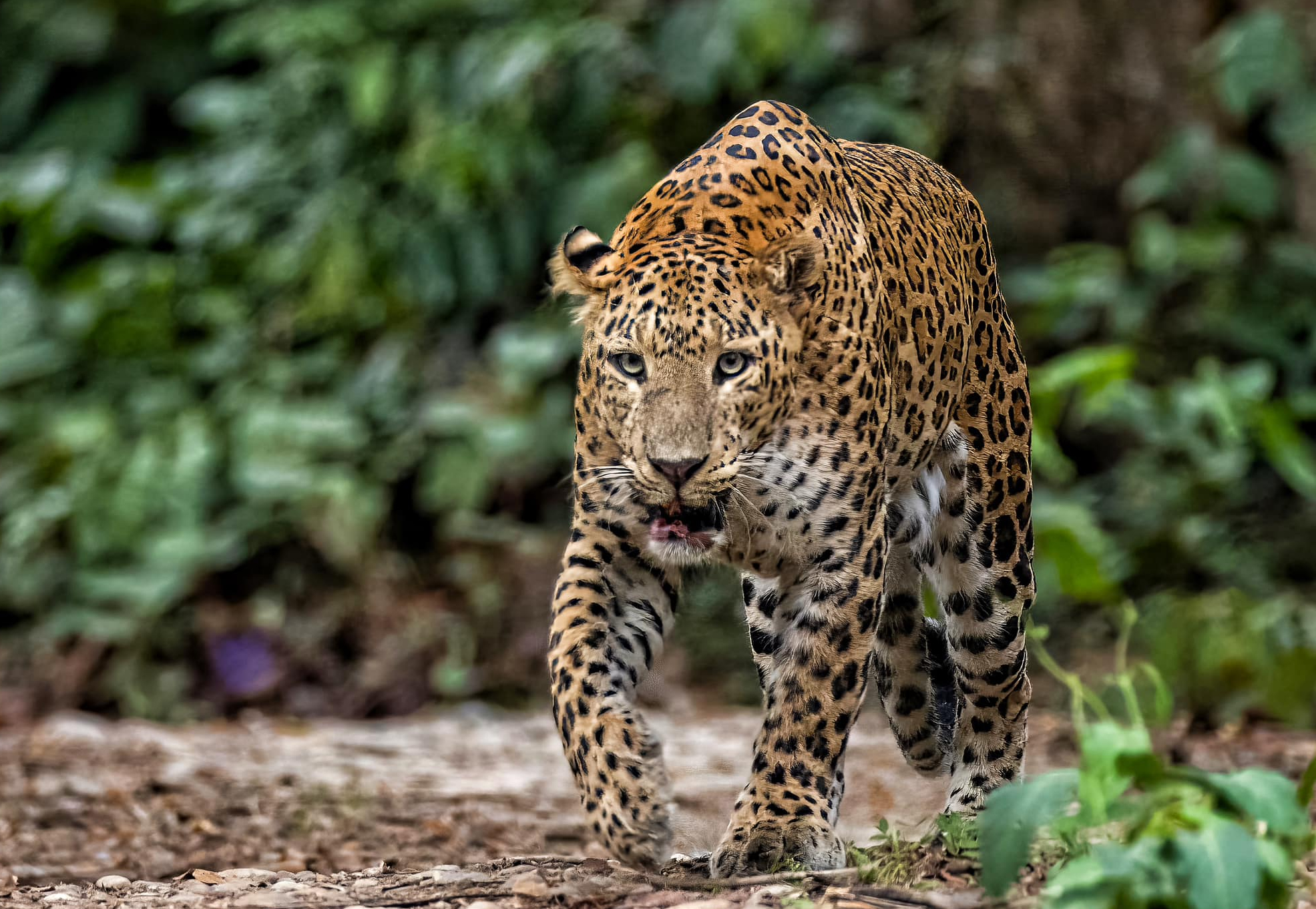
PC: Chungba Sherpa
A 49-year-old woman was killed in a leopard attack near Bardiya National Park on Thursday, the fifth fatal encounter with the big cat in the area in the past six weeks, local officials said.
The woman, Maisara Dangi of Madhuban Municipality–9 in Bardiya District, was attacked around 3 p.m. while collecting fodder for cattle near the Indian border, according to the Division Forest Office in Bardiya.
“She was gathering fodder along with other villagers when the leopard attacked,” said Shiva Bahadur KC, a senior forest officer in Bardiya. Her body was later recovered about six kilometers southeast of her home and taken to the district hospital for a post-mortem examination.
Ms. Dangi was the second person killed by a leopard in Bardiya on Thursday. Earlier in the day, a 35-year-old man, Nandu Rokaya of Tulsipur Ward No. 4 in Gulariya Municipality, was fatally attacked while cutting grass in the Janajagriti Community Forest in Bhelbhar, Ward No. 11 of Barbardiya Municipality. That incident occurred around 11 am, officials said.
According to KC, seven people have been killed in leopard attacks in Bardiya District since last August. One additional death was caused by a tiger, and two others involved wild elephants.
“This is the first time two villagers have been killed by leopards in a single day,” said Mahesh Ram Tharu, a resident of Bardiya. “Frequent attacks by leopards and tigers have terrorized the villages.”
Conservation officials and local residents say the rise in attacks is linked to a growing tiger population inside Bardiya National Park, which is forcing leopards into buffer zones and nearby villages.
“The tiger population has increased significantly, but the forest area has not expanded,” said Sital Thapa, station manager of Ram Gyanu FM in Bardiya. “Leopards are being pushed toward community forests and settlements. Now it is common to see them in villages.”
Bardiya National Park is home to the country’s second-largest tiger population, with 125 tigers recorded in a 2022 census. Chitwan National Park ranks first, with 128.
Community forests, once used regularly by villagers and kept relatively open, have become denser due to conservation efforts, providing ideal cover for leopards, residents say.
“The success of community forestry has also had unintended consequences,” Thapa said. “Dense bushes and trees offer leopards shelter close to human settlements.”
Forest officials acknowledge the heightened risk. As tiger numbers rise, leopards often move out of core forest areas to avoid confrontation, migrating into buffer zones and community forests, where they prey on livestock and sometimes humans, KC said.
The government provides compensation of Rs 1 million to the families of those killed in wildlife attacks and covers medical costs for the injured. Officials said five leopards have been trapped and some relocated in the past, and additional traps have been set following recent attacks. Awareness campaigns and fencing projects are also underway.
Still, residents say fear remains high as encounters with wild animals become more frequent.