Korea plants a bet on Nepal’s rice fields as monsoon arrives
USD 12m project aims to lift climate-resilient paddy yields in the Terai, deepening Seoul–Kathmandu agricultural ties
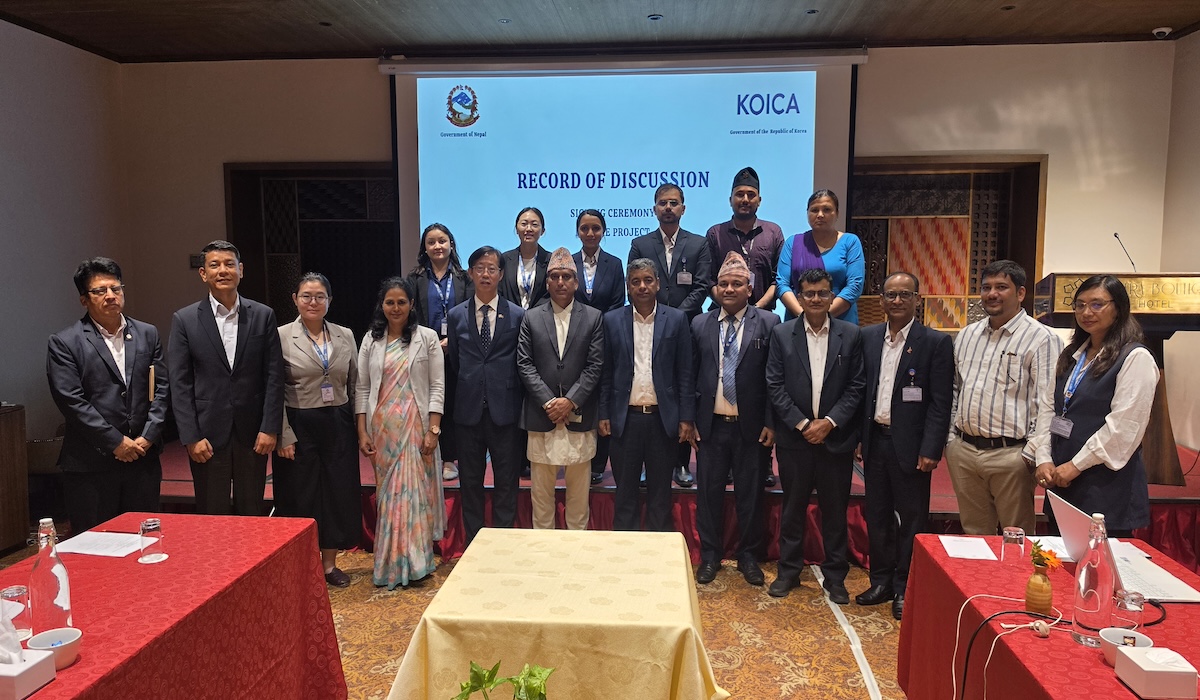
As Nepal’s monsoon clouds gather over the southern plains, a different kind of downpour has arrived first: concessional finance for rice.
The Korea International Cooperation Agency (KOICA) and Nepal’s Ministry of Agriculture, Forest and Environment (MoAFE) have signed a Record of Discussion for a six-year, USD 12m programme to boost “climate-resilient rice production and productivity” in the Terai—Nepal’s main grain basket.
The project, running from 2026 to 2031, will focus on Lumbini and Sudurpaschim provinces, targeting districts that collectively supply a large share of the country’s paddy output. It will push climate-smart cultivation techniques, strengthen seed systems, improve post-harvest handling and expand market access, in a bid to insulate Nepal’s most politically sensitive crop from increasingly erratic weather.
Rice is not just a staple in Nepal; it is a macroeconomic variable with roots in monsoon timing. Last year, the country recorded a strong paddy harvest on the back of favourable rainfall, according to government estimates, easing import pressure and stabilising rural incomes after several volatile seasons.
The new initiative arrives against a backdrop of recurring climate shocks that have repeatedly exposed the fragility of Nepal’s agricultural base. Earlier KOICA-backed efforts have included the Integrated Rural Development project in Bardiya and a value-chain programme for fruits and vegetables in Lumbini Province—part of a gradual shift from infrastructure-heavy aid to productivity and resilience-focused interventions.
Officials say the rice programme will be implemented with technical support from the Nepal Agricultural Research Council (NARC) and the International Rice Research Institute (IRRI), reflecting a growing reliance on research-led agricultural diplomacy.
South Korea’s development agency has already channelled roughly USD 235m into Nepal since 1991 across sectors ranging from health and education to IT and rural development, KOICA said in a statement.


