Nimsdai reaches new milestone with 56th 8,000m peak summit
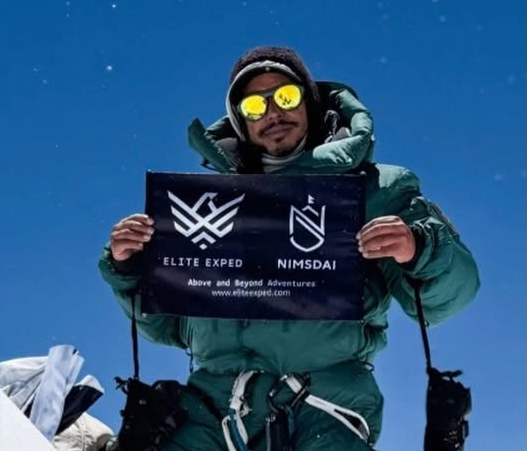
Renowned mountaineer Nirmal Purja, better known as Nimsdai, has added another milestone to a career that has redefined high-altitude mountaineering with his 56th ascent of an 8,000-metre peak.
PC: Nimsdai
As the spring Himalayan climbing season drew to a close, Nirmal Purja, better known as Nimsdai, added another record to a mountaineering career that has become synonymous with them.
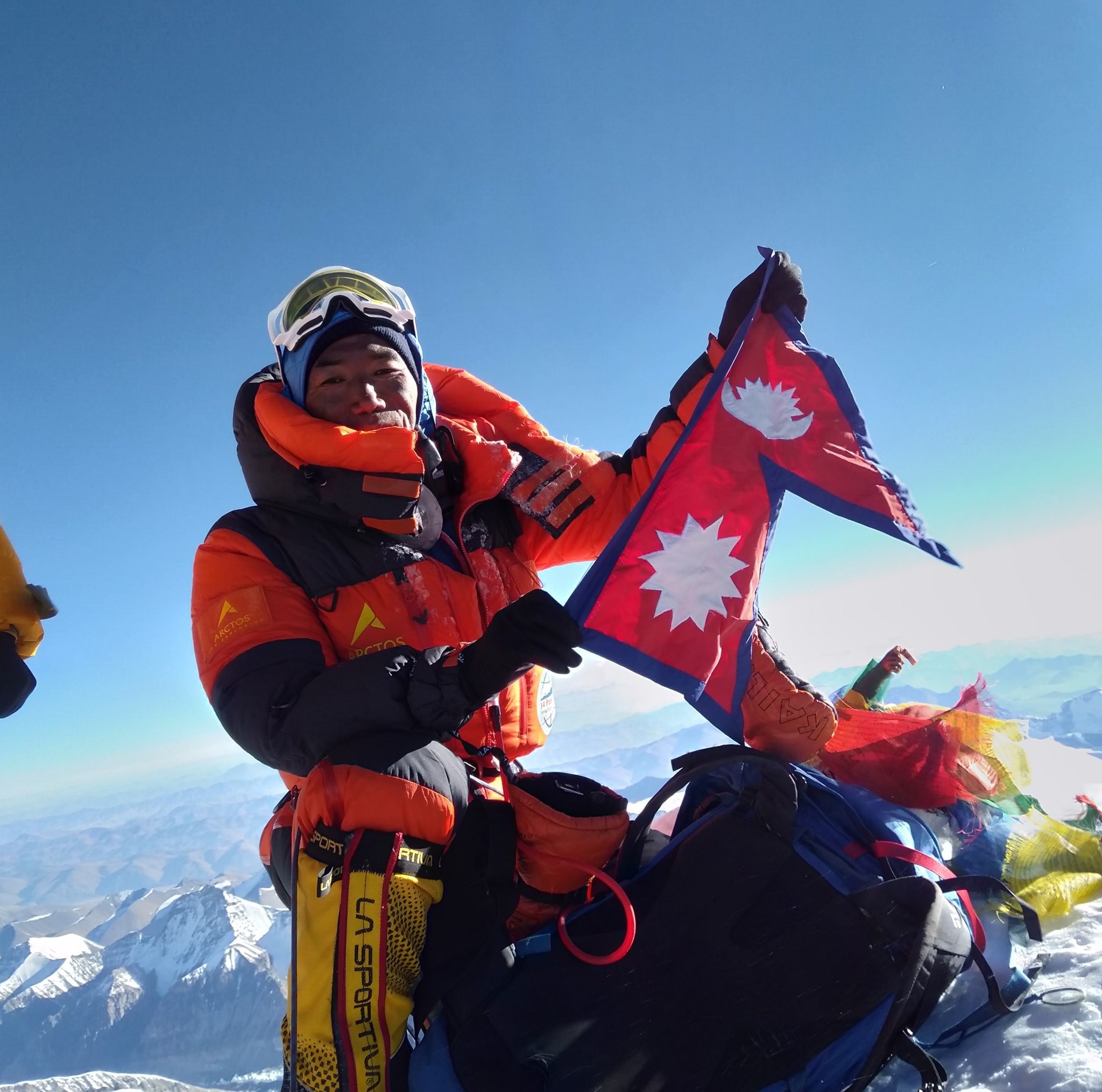
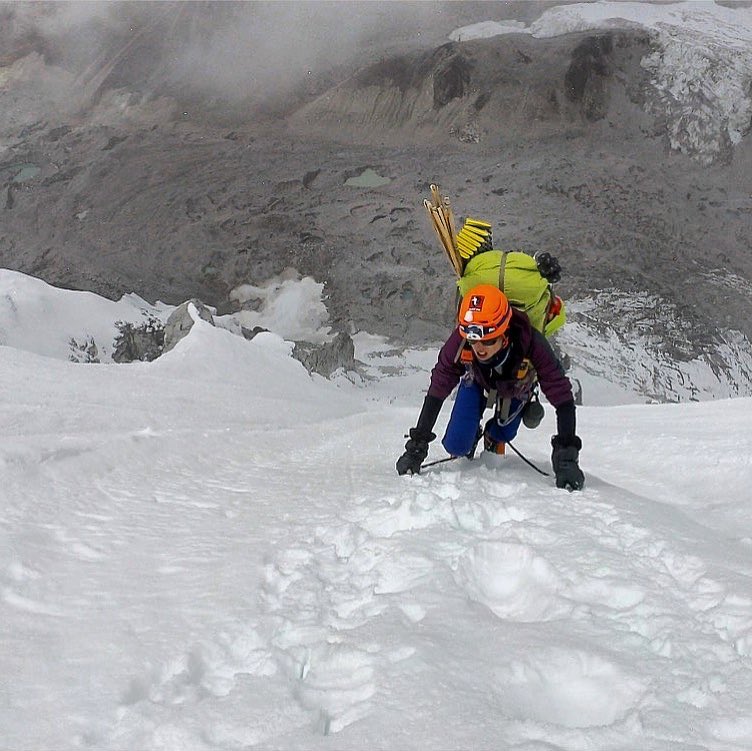
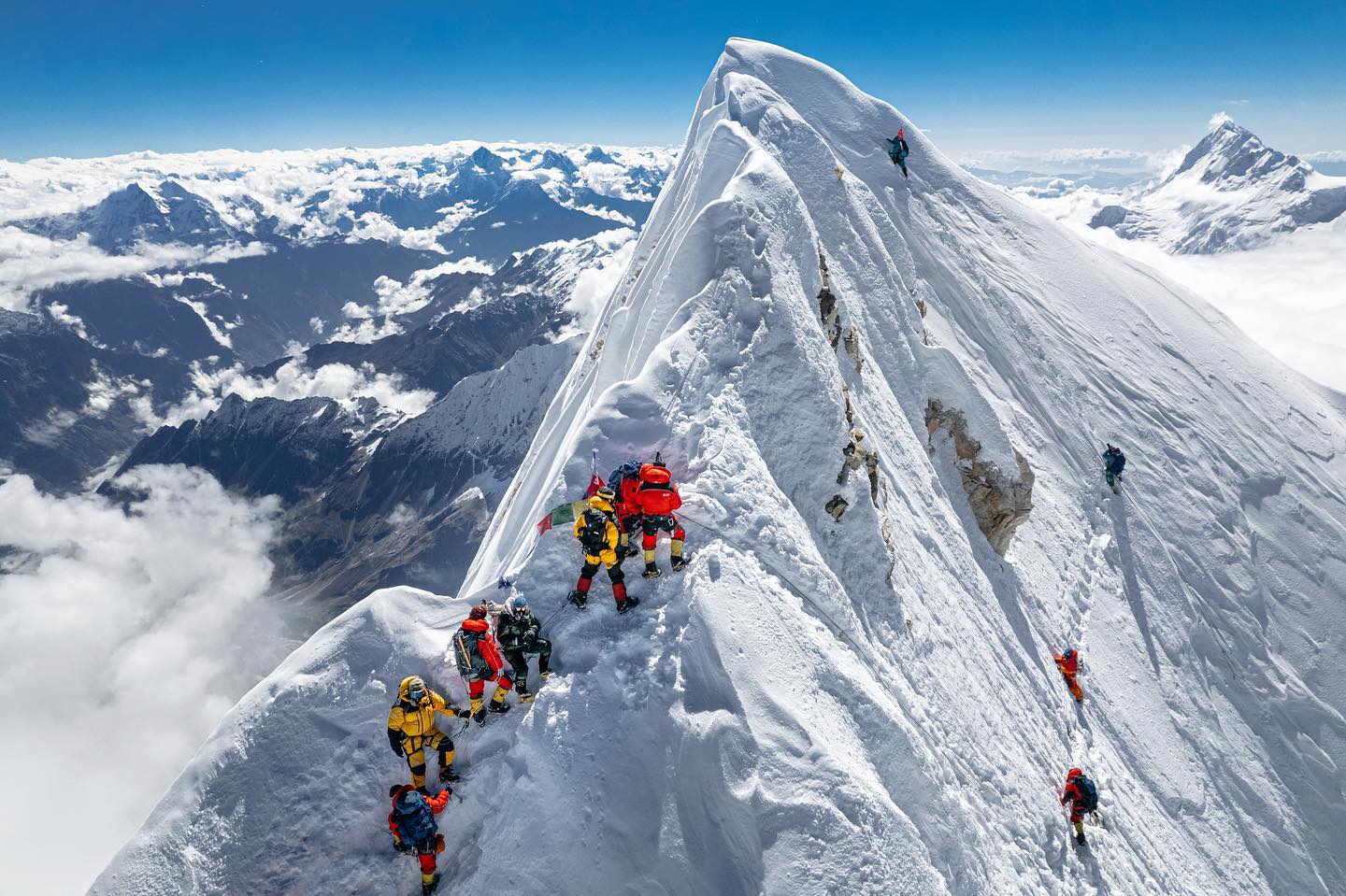
The Nepali-British climber reached the summit of Makalu, the world's fifth-highest mountain, on June 4 without supplemental oxygen, completing his 56th ascent of an 8,000-metre peak. No one has climbed the world's 14 highest mountains more often.
The ascent was also his 28th above 8,000 metres without bottled oxygen, further extending a record that Purja already held.
For most climbers, such a milestone would represent the culmination of a lifetime's work. For Purja, 41, it was another addition to a growing list of achievements that have steadily reshaped expectations of what is possible in high-altitude mountaineering.
Since 2019, when he completed all 14 of the world's 8,000-metre peaks in just six months and six days, shattering the previous record of more than seven years, Purja has amassed a series of accomplishments that often appear to belong to a category of their own.
Former colleagues and climbing partners frequently attribute his success not merely to physical strength but to an unusual combination of endurance, judgement and efficiency at extreme altitude. Years spent in Nepal's mountains and in the British special forces have helped forge a climber capable of operating where others struggle simply to survive.
The Makalu ascent came only days after another record-setting performance. On May 27 and 28, Purja climbed Everest and Lhotse without supplemental oxygen, travelling from the summit of the world's highest mountain to the summit of its fourth-highest in just 13 hours and 42 minutes. The feat surpassed his previous record of about 25 hours, which had been set while guiding clients.
The achievement adds to a résumé that already includes the first winter ascent of K2 by a Nepali-led team, the highest number of ascents of the true summits of all 14 eight-thousanders, and a rapid ascent of Everest, Lhotse and Makalu in little more than two days.
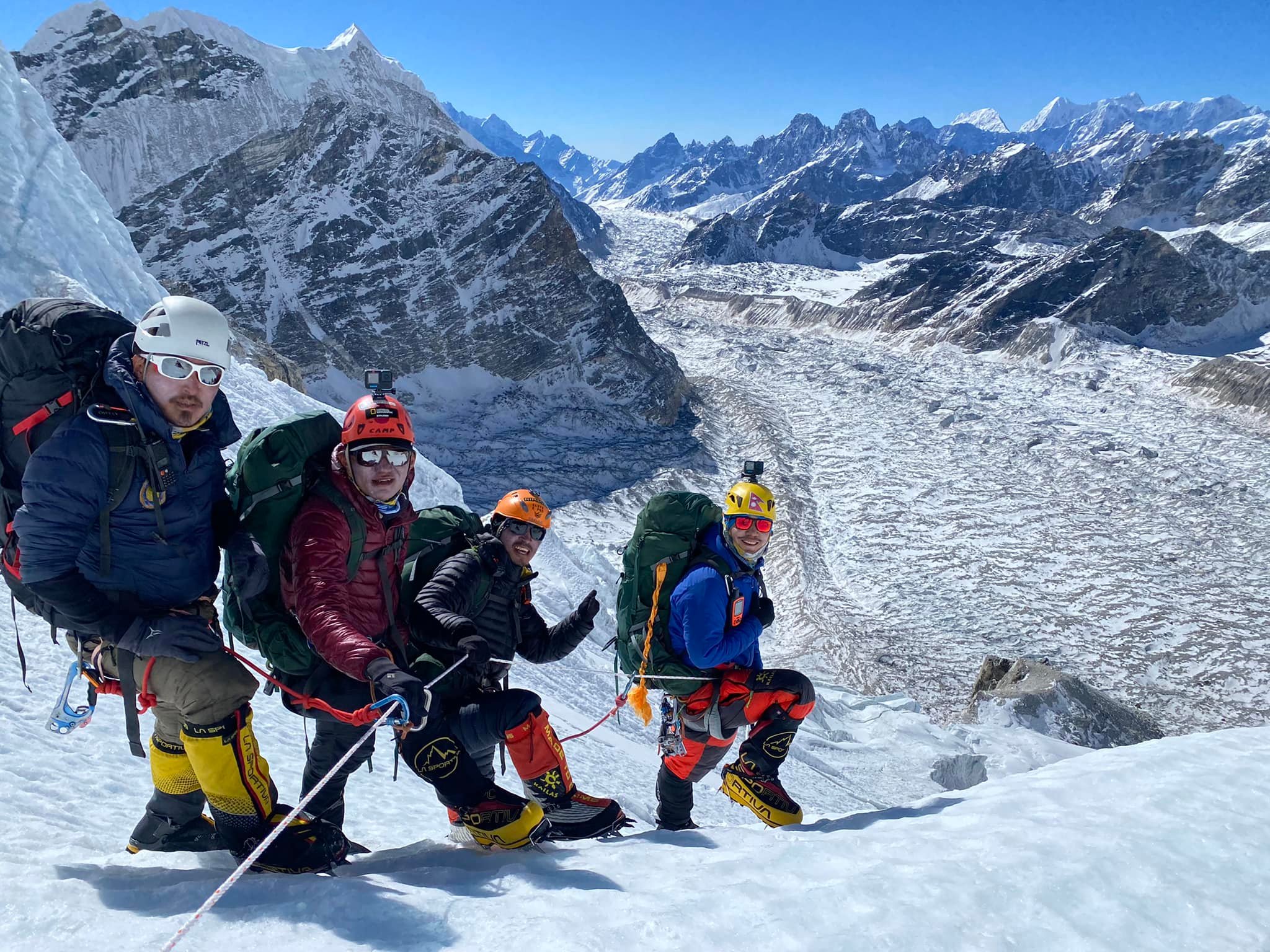
Makalu was also a guiding success. Purja reached the summit alongside his client, Ksenia Tsaritsina of Russia, who had previously climbed Everest and Lhotse this season and completed four ascents of 8,000-metre peaks this spring.
In an era when mountaineering records have become increasingly specialised, Purja continues to set benchmarks that are both simple and extraordinary: 56 ascents above 8,000 metres, 28 without oxygen, and a catalogue of achievements that continues to expand.
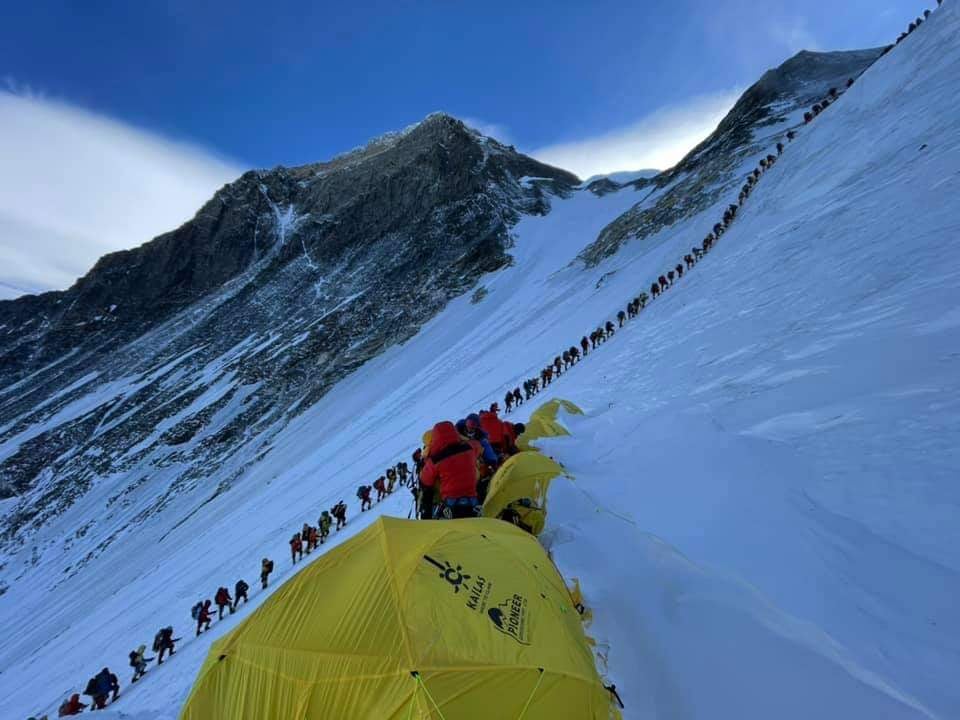
The climb came as Nepal's busiest Everest season ended and shortly after the country marked International Everest Day. While many climbers were leaving the Himalayas for another year, Purja was once again adding to a record book that increasingly bears his name alone.
What distinguishes Purja is no longer a single achievement but the consistency with which he produces them. Almost every major climb now brings another record, often by surpassing one he set himself.