Everest braces for first helicopter-assisted climbing season
As icefall doctors struggle to secure a safe route through the Khumbu Icefall, authorities have cleared helicopter use to move supplies on Mount Everest ahead of the narrow summit window.
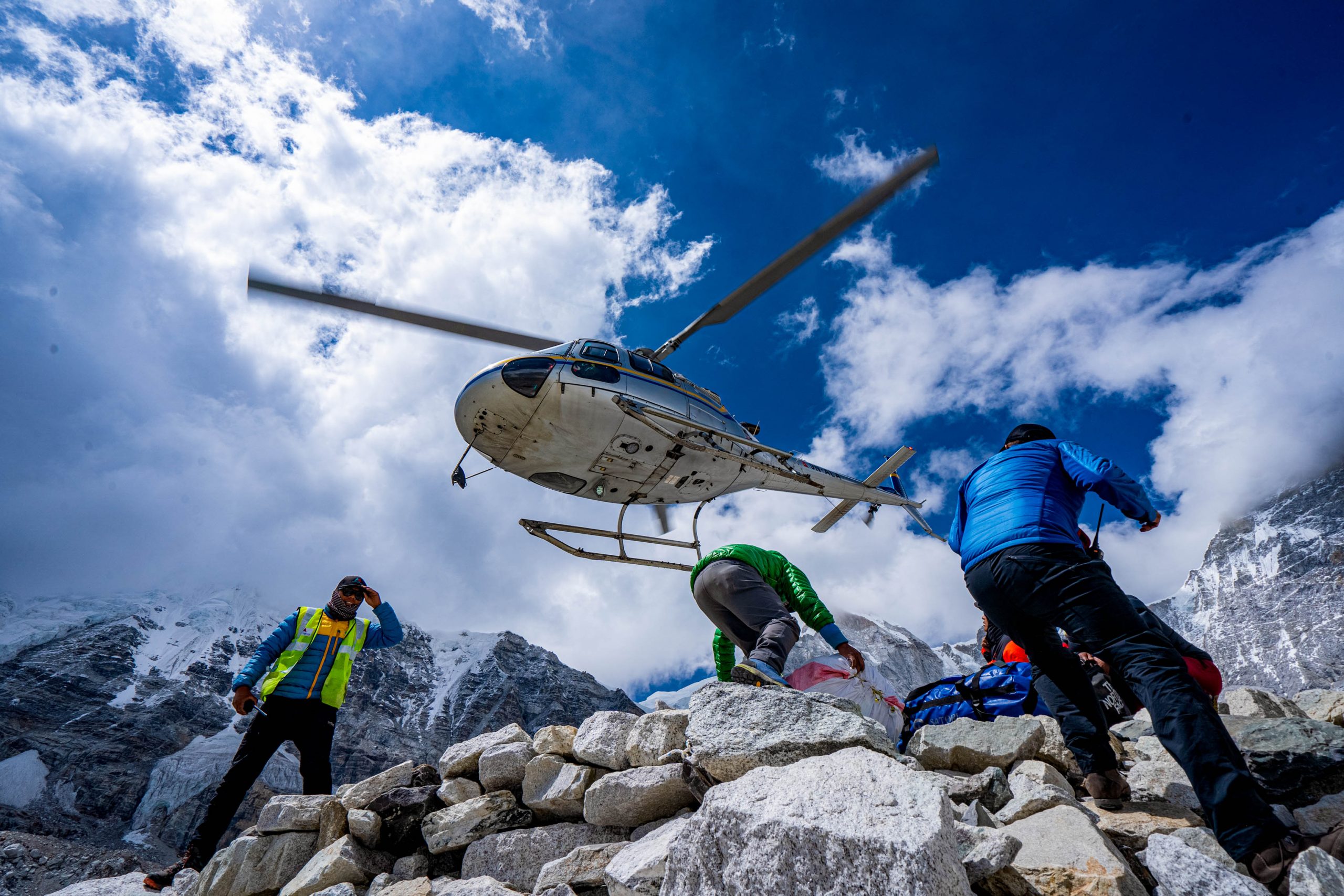
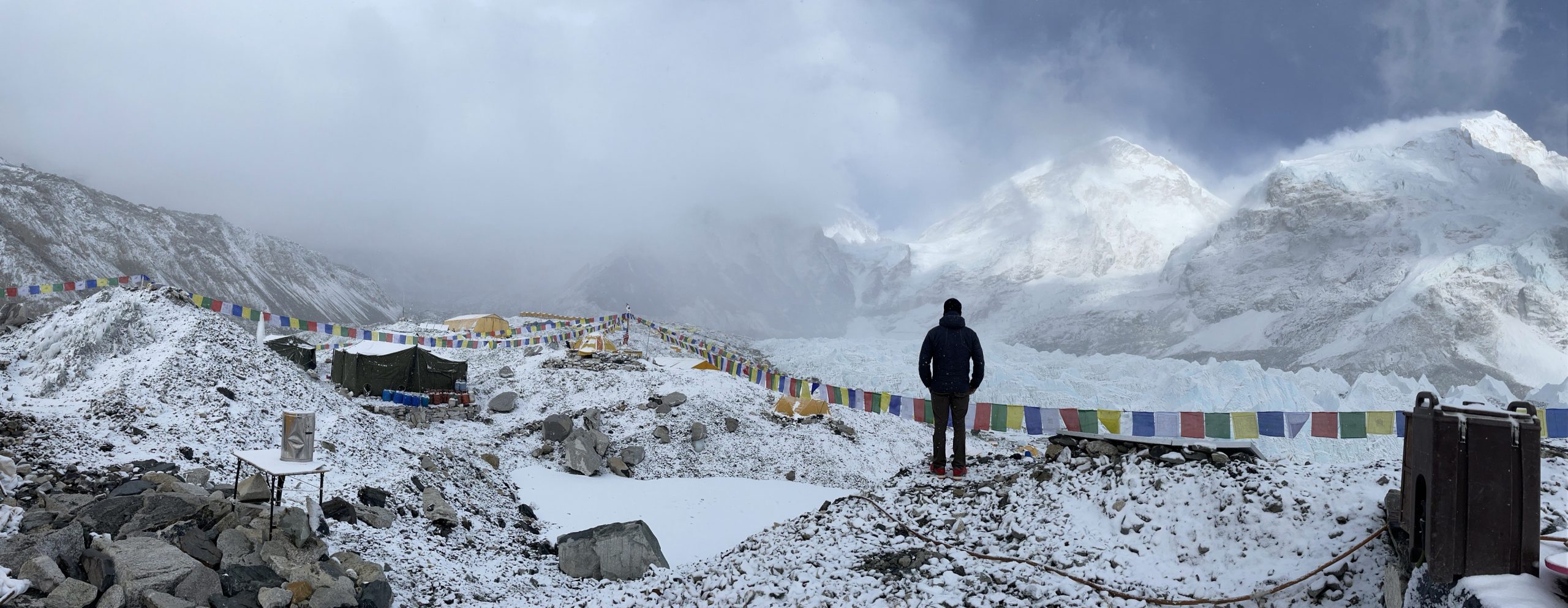
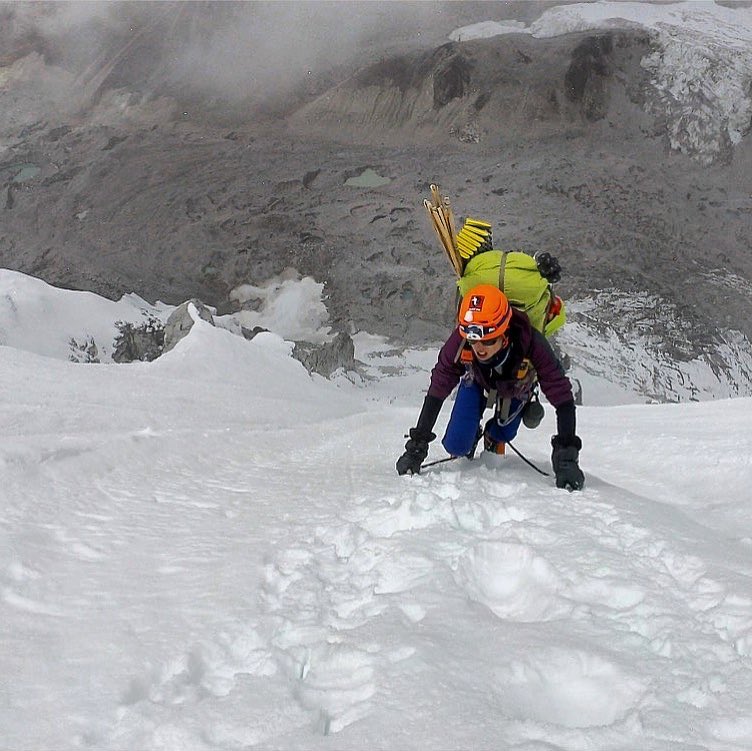
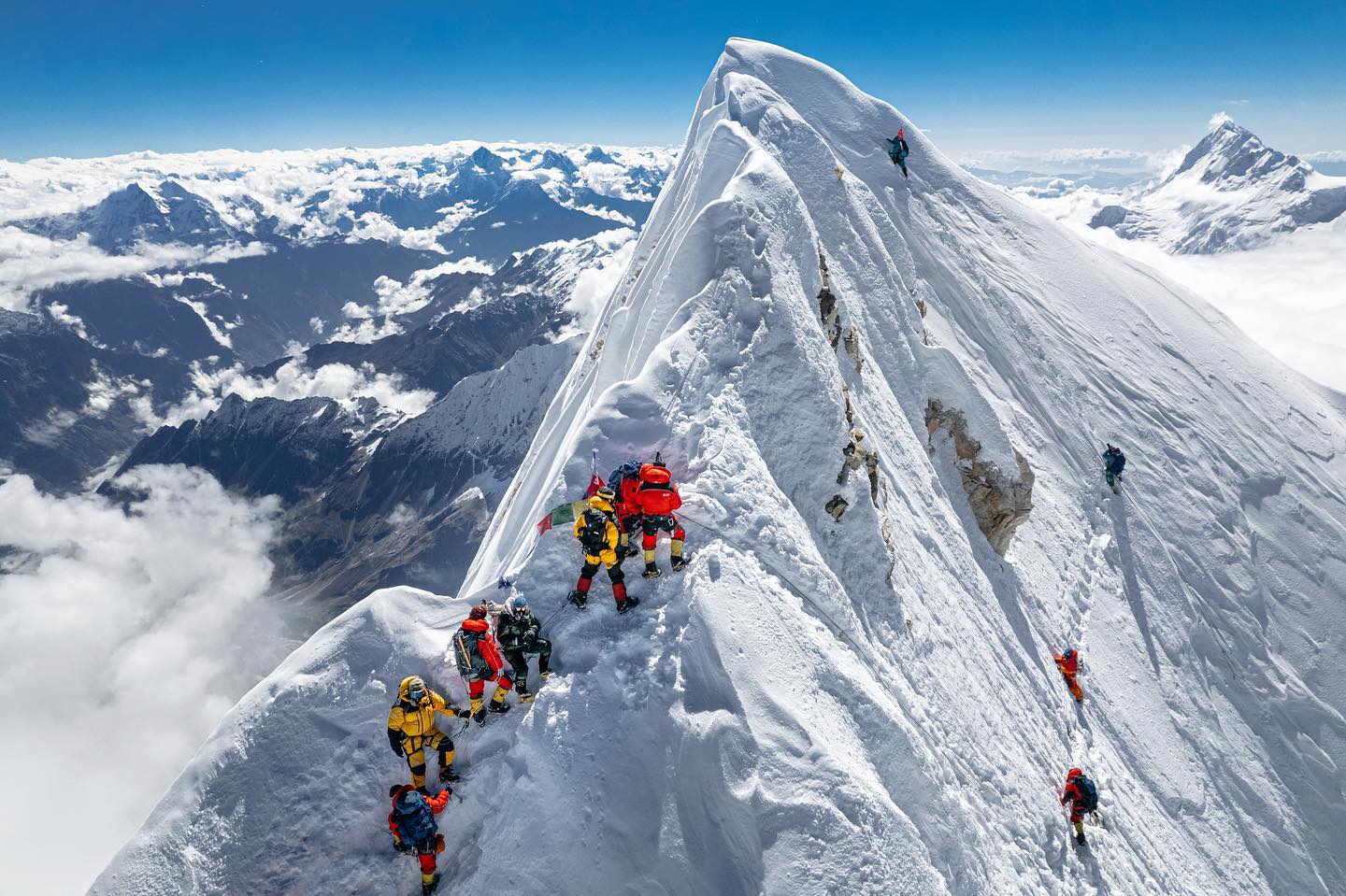
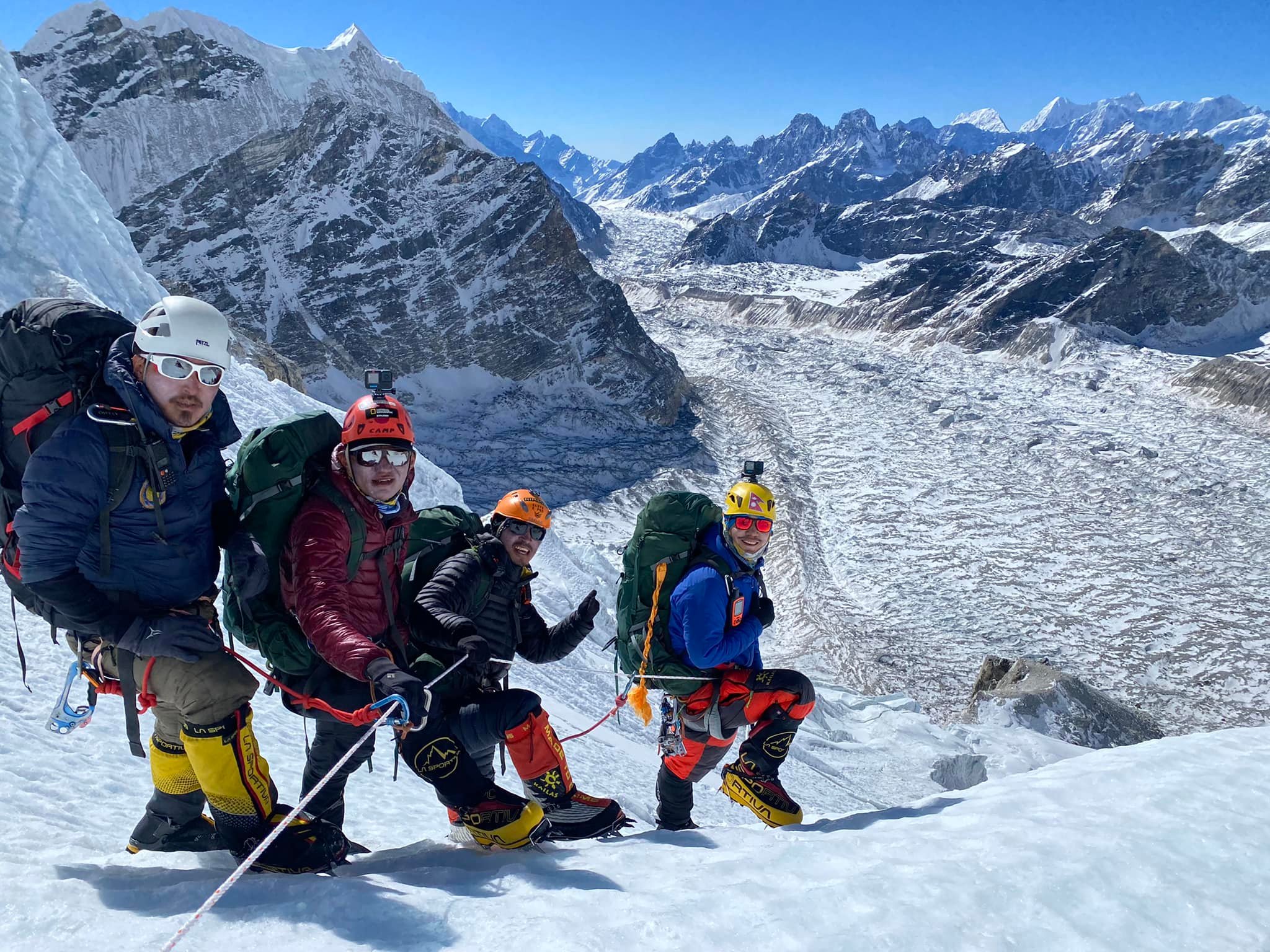
A team of mountain guides is fixing ropes above Camp II on Mount Everest (8,848.86m), while a team of elite guides, known as icefall doctors, struggle to find a safe route through the Khumbu Icefall, just weeks before the climbing season, after authorities allowed expedition agencies to use helicopters when delays in opening the route threatened the season.
According to Himal Gautam, spokesperson for Nepal’s Department of Tourism, the permission for the use of helicopter was granted after a large, unstable serac blocking the traditional path between Base Camp and Camp II, with just days remaining for the weather window
The stretch through the icefall is considered one of the most hazardous sections of the climb.
“The route from Base Camp to Camp II is being delayed due to blockage created by a serac,” said Gautam, adding that the route should have been opened much earlier to make necessary arrangement for expedition.
A total of 10 helicopters will ferry equipment — including ropes, oxygen cylinders and food — directly to Camp II to expedite rope fixing task. Under normal regulations, flights above Everest Base Camp are restricted to search-and-rescue operations.
Officials said the move was driven by urgency. Icefall doctors have been unable to proceed while waiting for the unstable ice formation to either collapse or become safe enough to cross.
Gautam said teams are scouting an alternative line that reduces exposure to potential ice collapse, even if it takes longer to establish.
Under traditional arrangement, two agencies are involved in route management: the Sagarmatha Pollution Control Committee installs ladders and ropes through the icefall up to Camp II, while the Expedition Operators Association of Nepal (EOAN) fixes lines from Camp II to the summit.
Officials said this is the first time the helicopters are being exclusively used to carry supplies to higher camps on Everest as the only land route through the icefall remain closed.
The icefall, a shifting and heavily crevassed glacier, is widely regarded as one of the most dangerous sections of the ascent, serving as the gateway to Everest, Lhotse and Nuptse.
“This is the time the route should already have been fixed up to Camp III,” said Ashok Lama, an IFMGA certified guide who led last year’s route-setting effort.
If conditions do not improve within days, authorities are weighing an alternative: abandoning the standard route through the icefall and establishing a longer, less direct path. A similar detour was used in 2024 after a serac collapse.
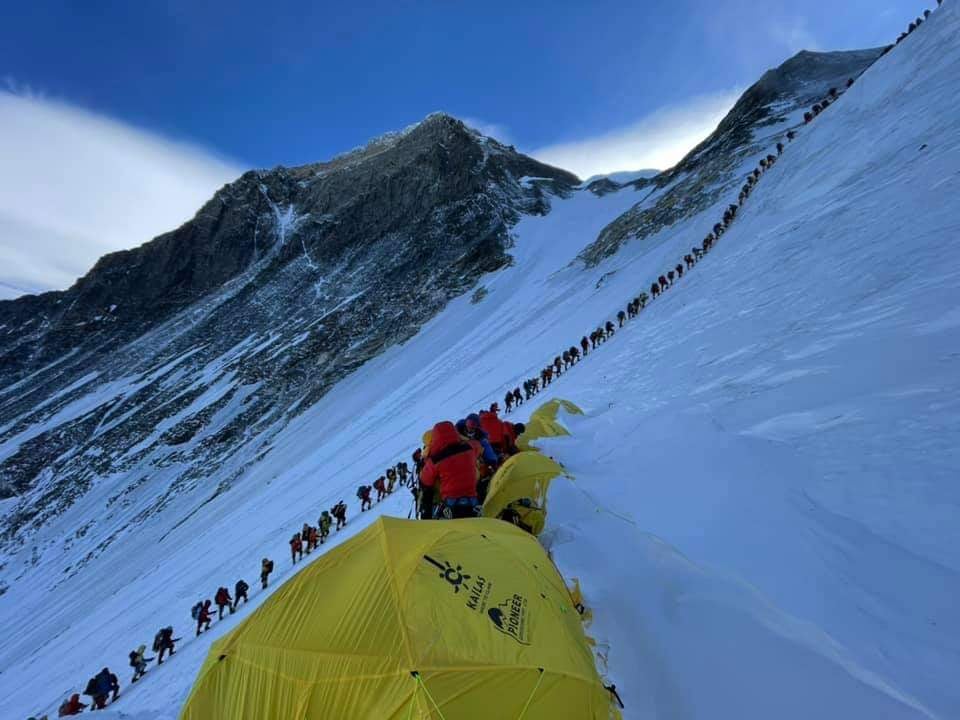
The delay has tightened an already narrow climbing window. More than 400 permits have been issued for Everest this season, according to government figures, and expeditions are racing against time to prepare the route to the summit.
Still, some in the climbing community expressed cautious optimism. Airlifting supplies to higher camps, they said, could help crews regain lost ground and complete the route-setting work within the typical three-week timeframe — if conditions on the mountain stabilize.