Four deaths in a month leave a family struggling to comprehend its loss
Two sons disappeared in a devastating flood before an avalanche claimed another son and a grandson.

For 72-year-old Hem Bahadur Rai and his 69-year-old wife, Amrit Maya, grief has come in waves — first the disappearance of two sons in a catastrophic flood, then, a month later, the deaths of another son and a grandson in an avalanche high in the Himalayas.
Their family has lost four members to natural disasters in the space of a month.
On August 26, Hem Bahadur’s eldest son, Yubaraj Rai, 51, and another son, Yas Bahadur Rai, 38, disappeared when a devastating flash flood tore through Trishuli river in northern Nepal.
The brothers were travelling towards the Kailash pilgrimage route when a huge mass of ice and rock crashed down near the China-Nepal border. The resulting surge swept through settlements, carrying away houses, roads and people.
Their bodies have never been found.
A month later, another tragedy struck.
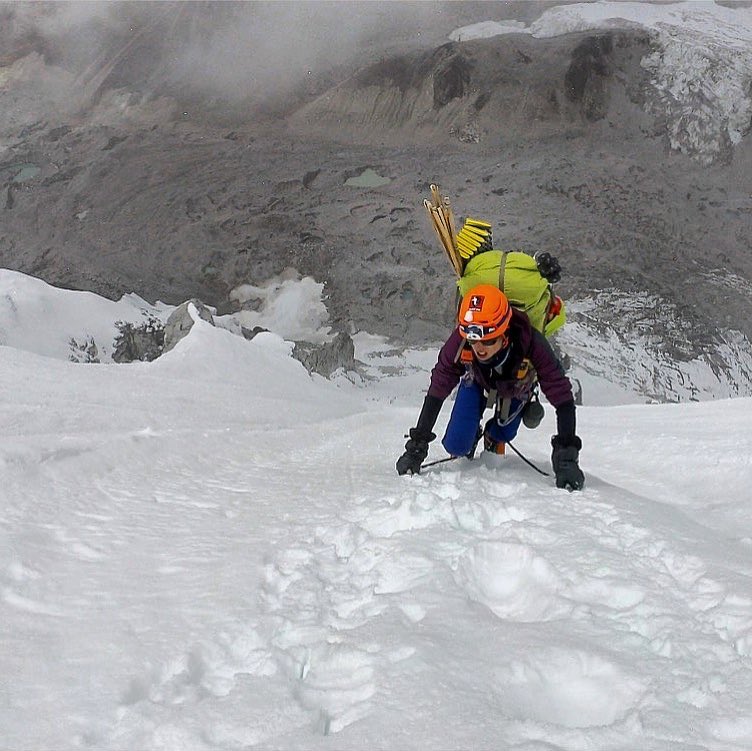
On the night of September 27, an avalanche buried the kitchen and dining tents at the base camp of Himlung Himal, a 7,126-metre peak in Manang district. Among those buried were two members of the Rai family: Hem Bahadur’s son Ghanashyam Rai, 44, and his grandson Suraj Rai, 22.
Both bodies have since been recovered.
“This is unimaginable for the family,” said Shree Kumar Rai, a nephew of Hem Bahadur and an elected member of Aiselukharka Rural Municipality in Khotang.
Hem Bahadur has seven sons and a daughter. Yubaraj, the eldest one, was the first person from his Nachhiring Rai community to summit Mount Everest.
Yubraj had spent time in Kathmandu but was building a house in his village, determined to return to the land where he was born, his nephew said.
Yubaraj is survived by his wife and daughter, who are left waiting for a body that may never return.
Yas Bahadur also left behind a widow, but no children.
Then came the avalanche.
Ghanashyam, who worked as a high-altitude kitchen worker, left a wife, a son and a daughter. His death has brought not only grief but uncertainty over how the family will survive and pay for the children’s education.
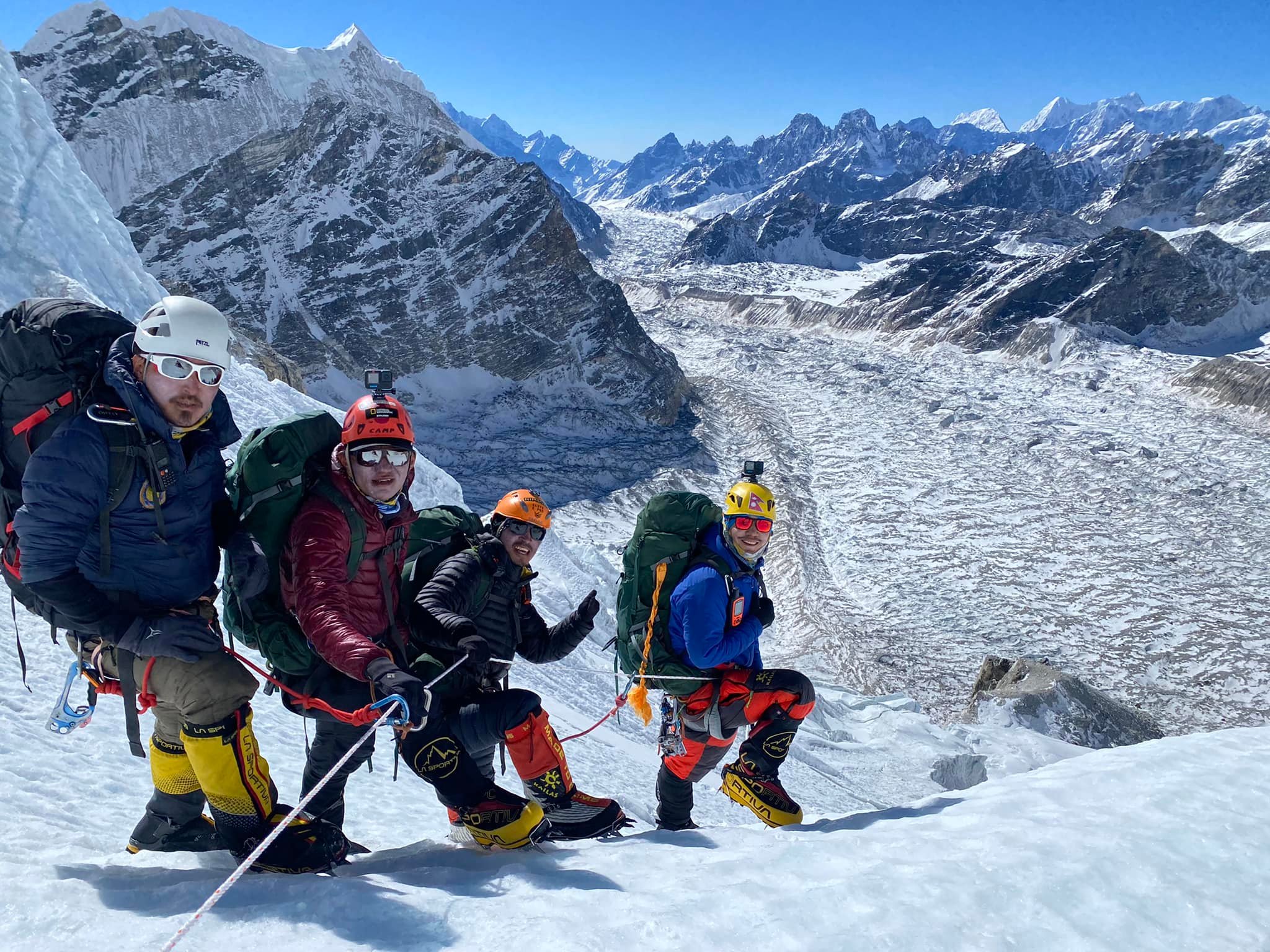
Suraj was only 22. He had completed guide training and was beginning a career in mountain guiding and expeditions.
“He was just starting his career,” Shree Kumar said.
For the women and children left behind, the disaster does not end with the recovery of a body. The loss of a husband or father can also mean the loss of the family’s principal source of income and emotional support.
“The pain cannot be compared,” Shree Kumar said. “But what has happened to my uncle’s family is beyond what one can describe — not only for the parents, but for the wives and children.”
The Rai family’s losses came in two very different disasters: one in the rushing waters of the Bhotekoshi, the other beneath tonnes of snow on a Himalayan mountain.
“It feels as if the entire universe is against this family,” Shree Kumar said.
Two disasters, one family
The Himlung avalanche killed 16 people — 14 kitchen staff and two climbing guides — when weeks of heavy snowfall buried the expedition camp. Snow accumulated on the slope before giving way and burying the kitchen and dining areas.
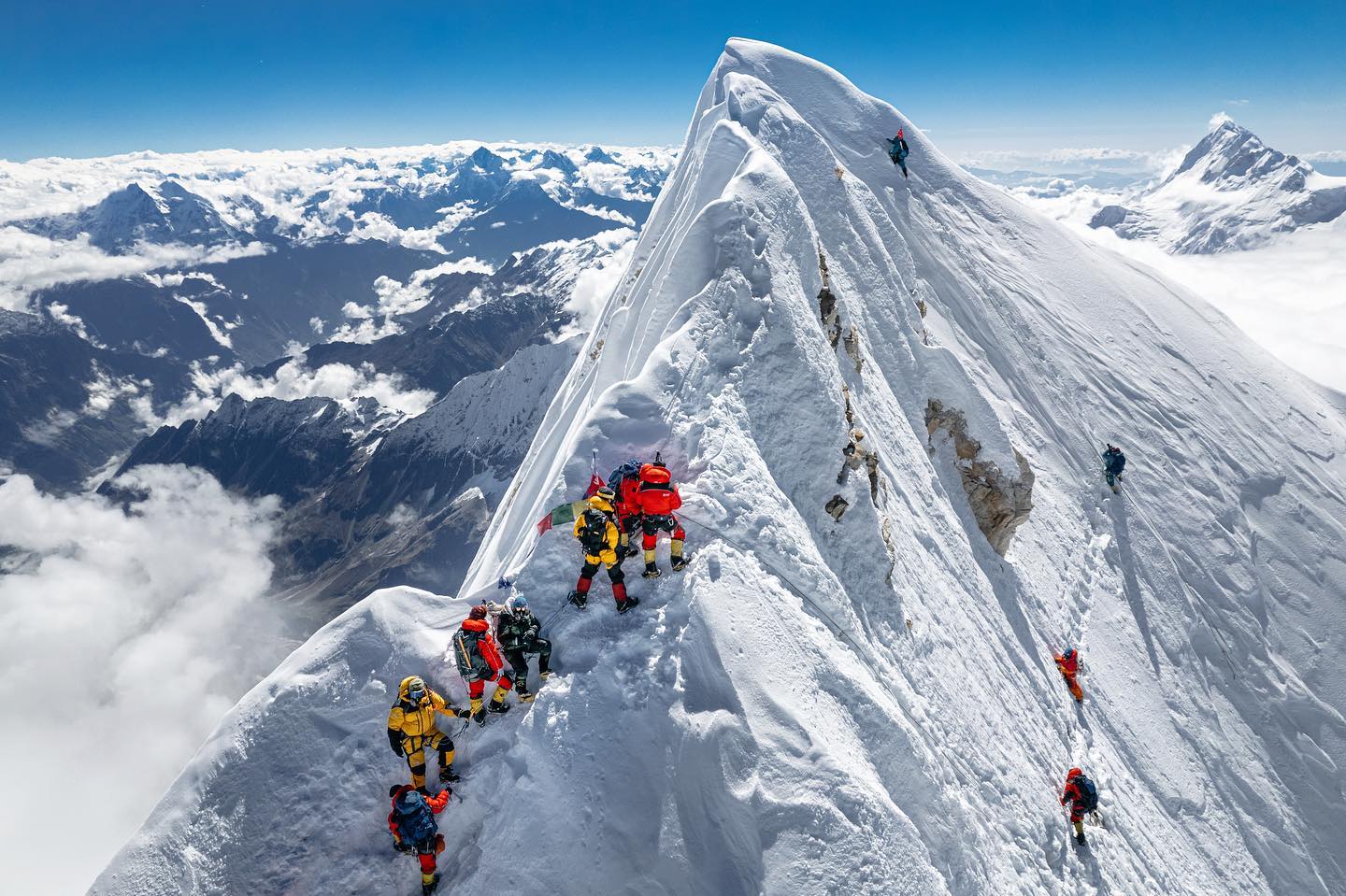
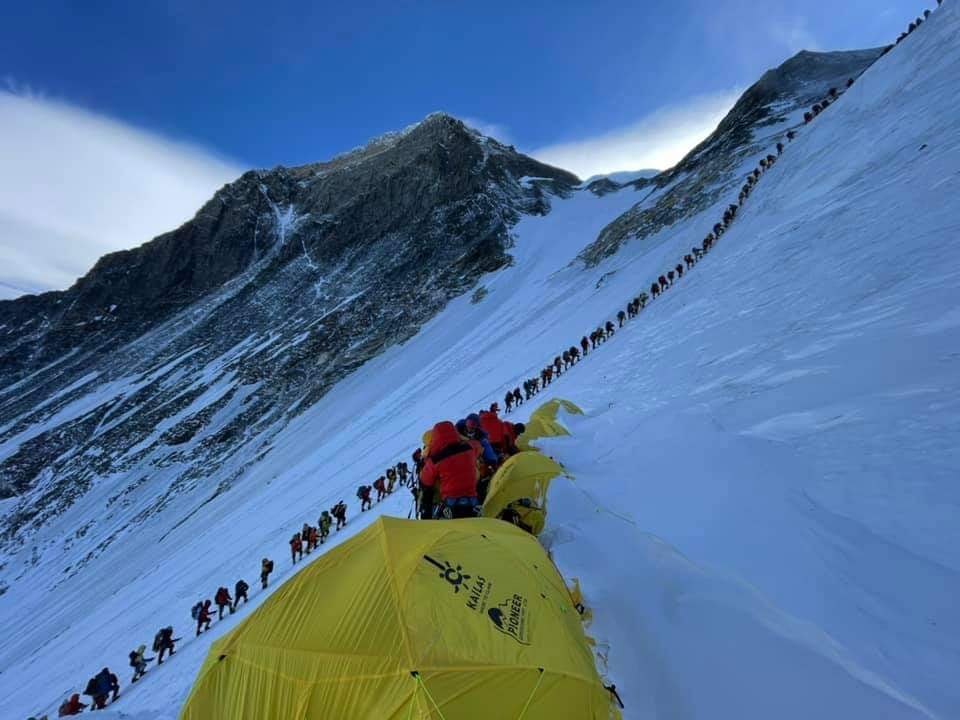
The disaster came as Nepal’s autumn climbing season was already being battered by extreme weather. Heavy snowfall forced expeditions on Manaslu, another major Himalayan peak, to be cancelled after hundreds of climbers had obtained permits.
The Bhotekoshi-Trishuli disaster a month earlier was on a different scale.
On August 26, a massive collapse of ice and rock unleashed a surge down the narrow valley, destroying settlements and infrastructure and sweeping people downstream. The disaster also struck the border crossing and communities along the Nepal-China trade route.
Authorities have recovered more than 1,400 bodies, while more than 5,000 people remain unaccounted for, according to government figures.
The government has estimated the economic damage at about $4 billion, roughly a tenth of Nepal’s annual economic output.
But for families such as the Rais, the cost cannot be measured in billions.
It is measured in empty beds, unfinished houses, widows waiting for husbands, children growing up without fathers — and elderly parents left to mourn sons whose bodies may never come home.