Everest rope-fixing team opens summit route for climbers
Team reaches world’s highest peak amid tight weather window and concerns over overcrowding during record climbing season
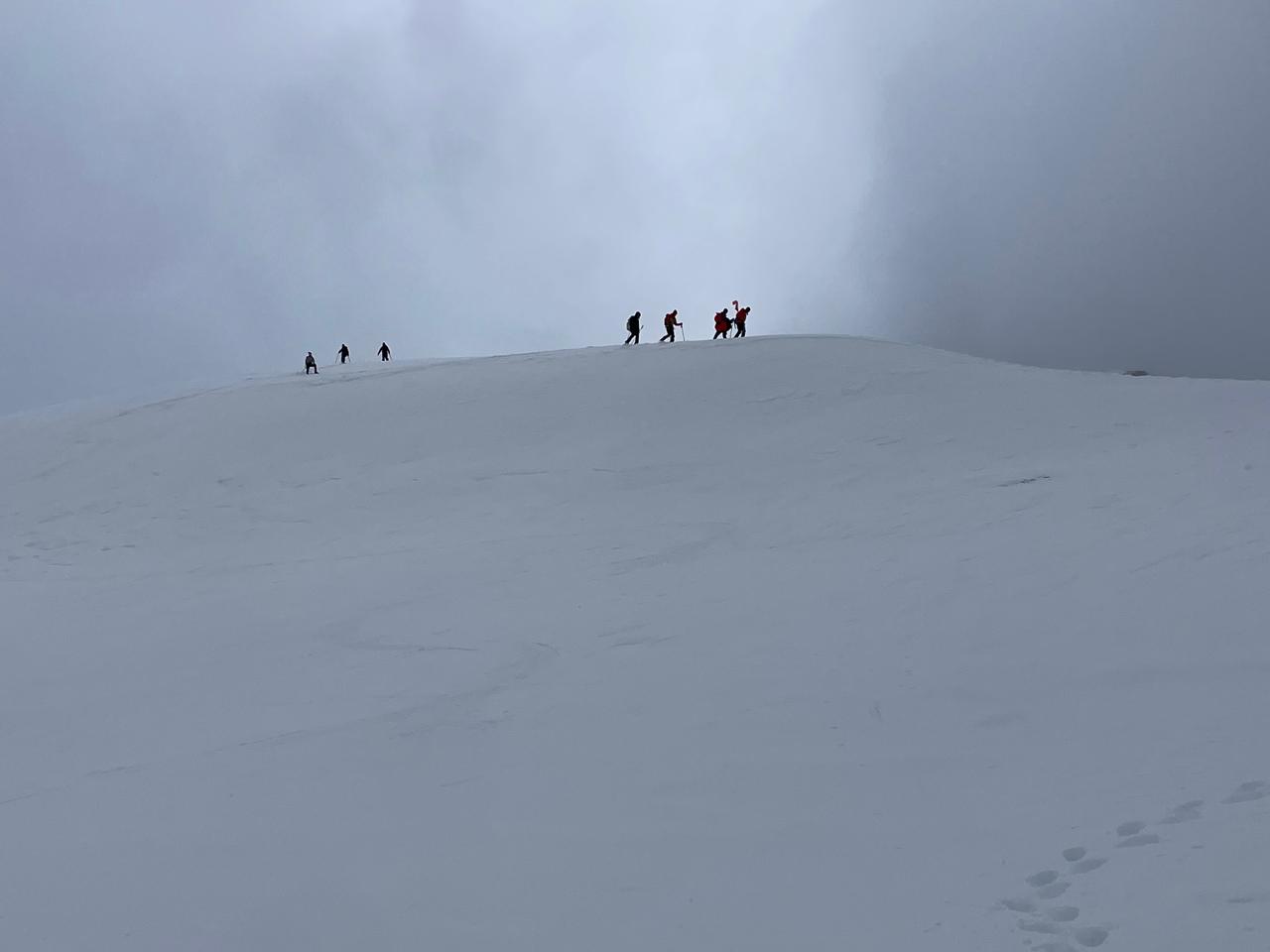
PC: Abiral Rai
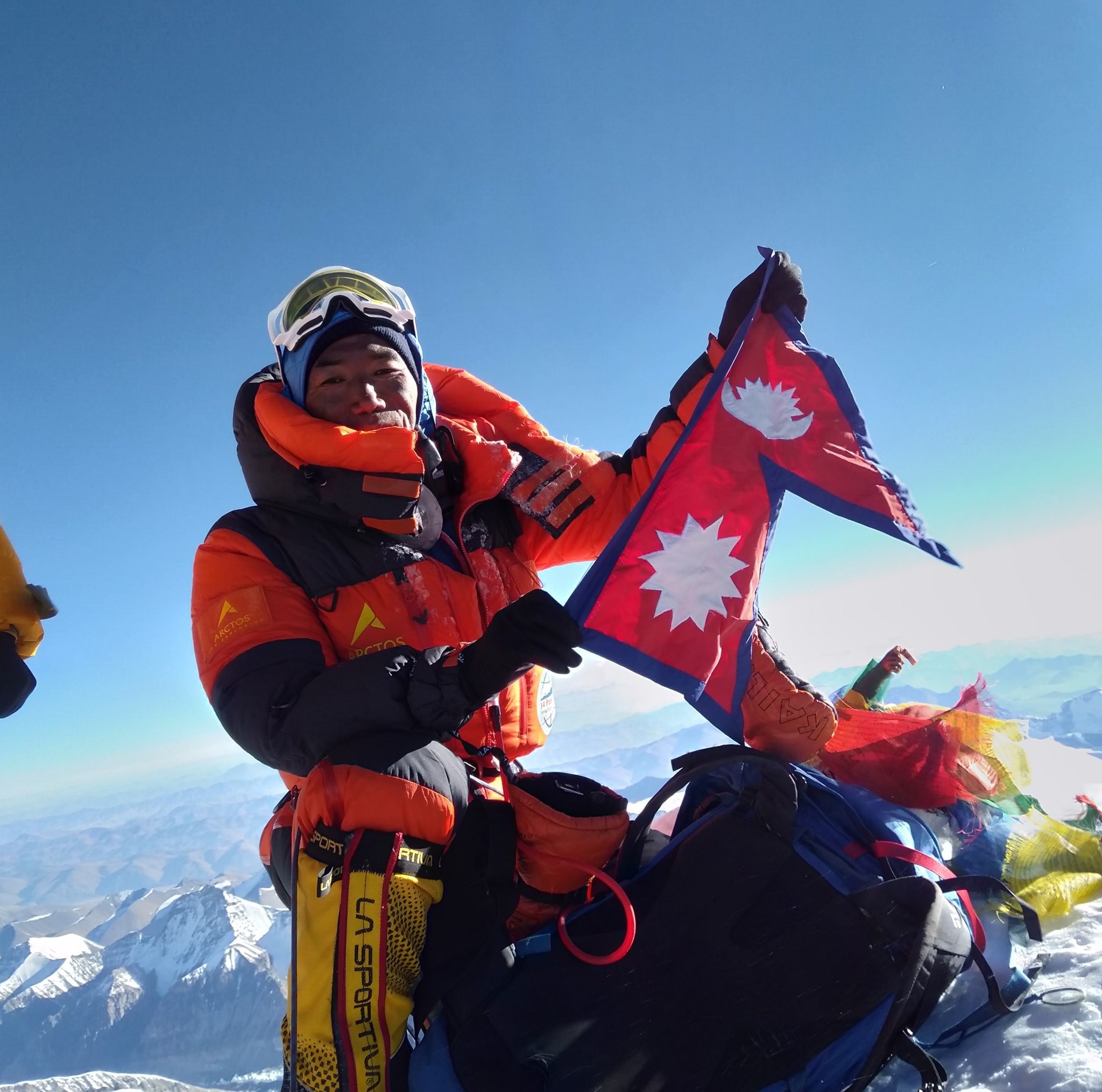
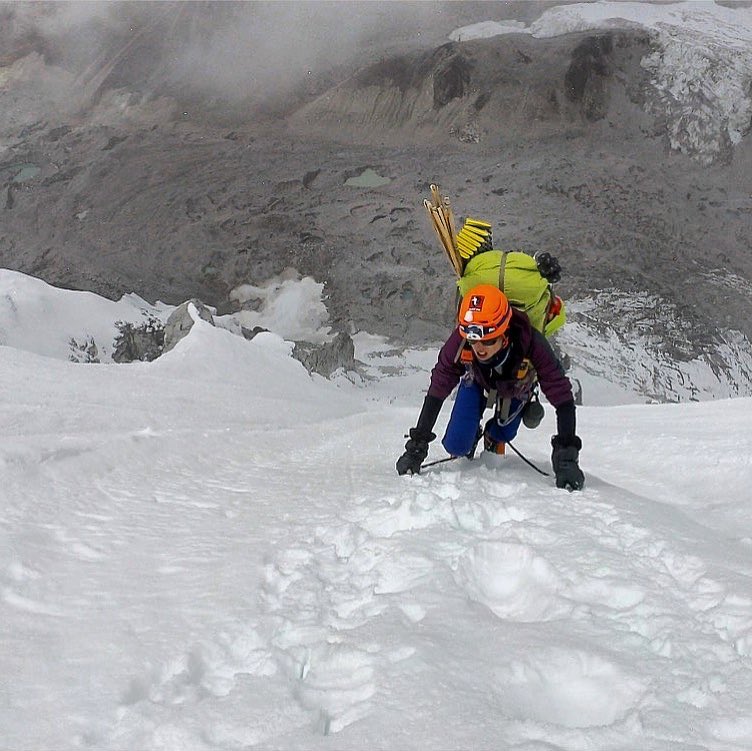
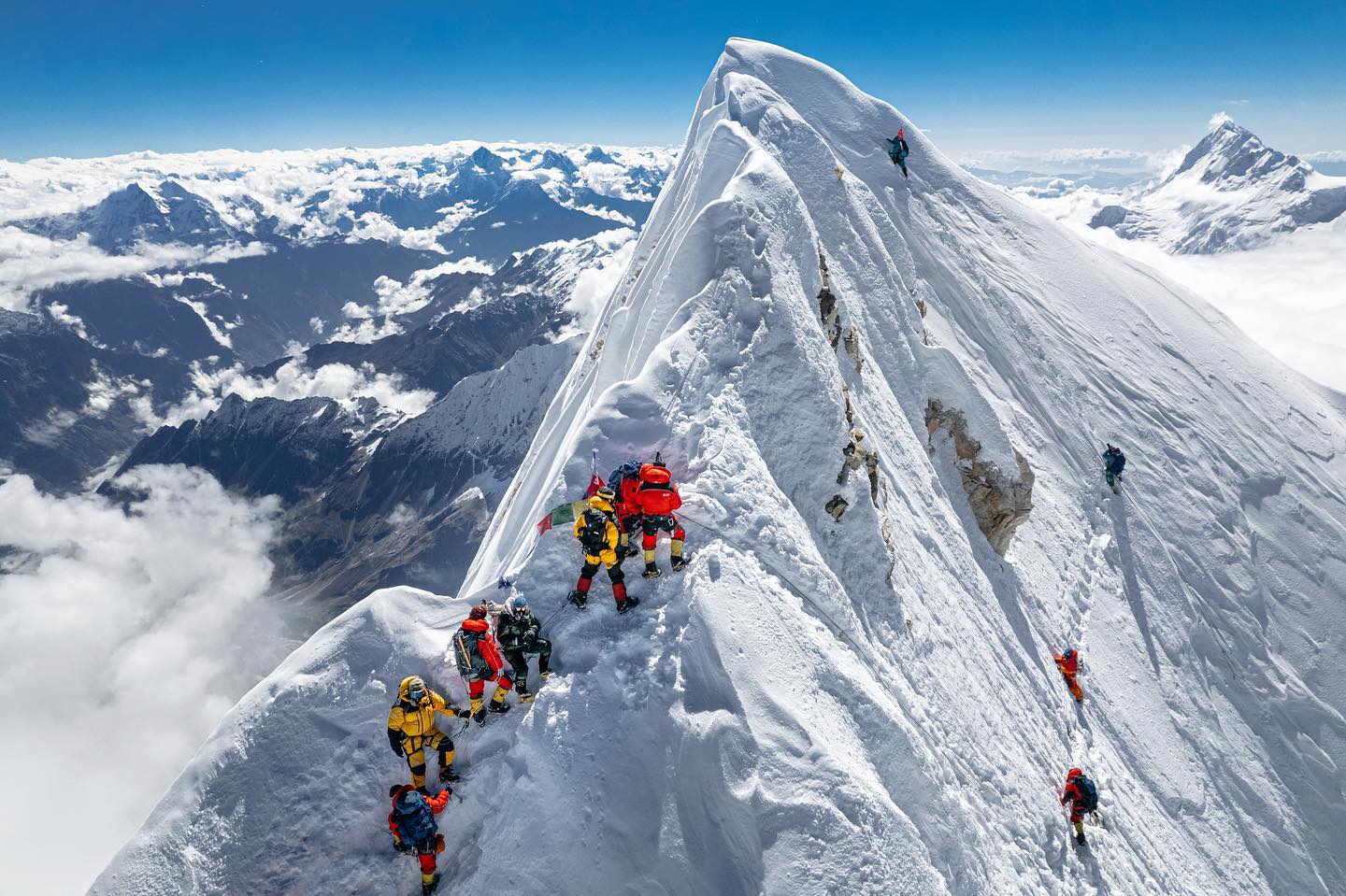
A team of rope-fixing climbers reached the summit of Mount Everest on Wednesday morning, laying fixed ropes for climbers attempting to scale the world’s highest peak, officials said.
According to Nepal’s Department of Tourism, the 15-member team reached the summit at 10:25 am local time, marking the season’s first ascent of the mountain.
The Expedition Operators Association Nepal (EOAN) is responsible for fixing ropes above Camp II, while the Sagarmatha Pollution Control Committee oversees route opening through the Khumbu Icefall to Camp II.
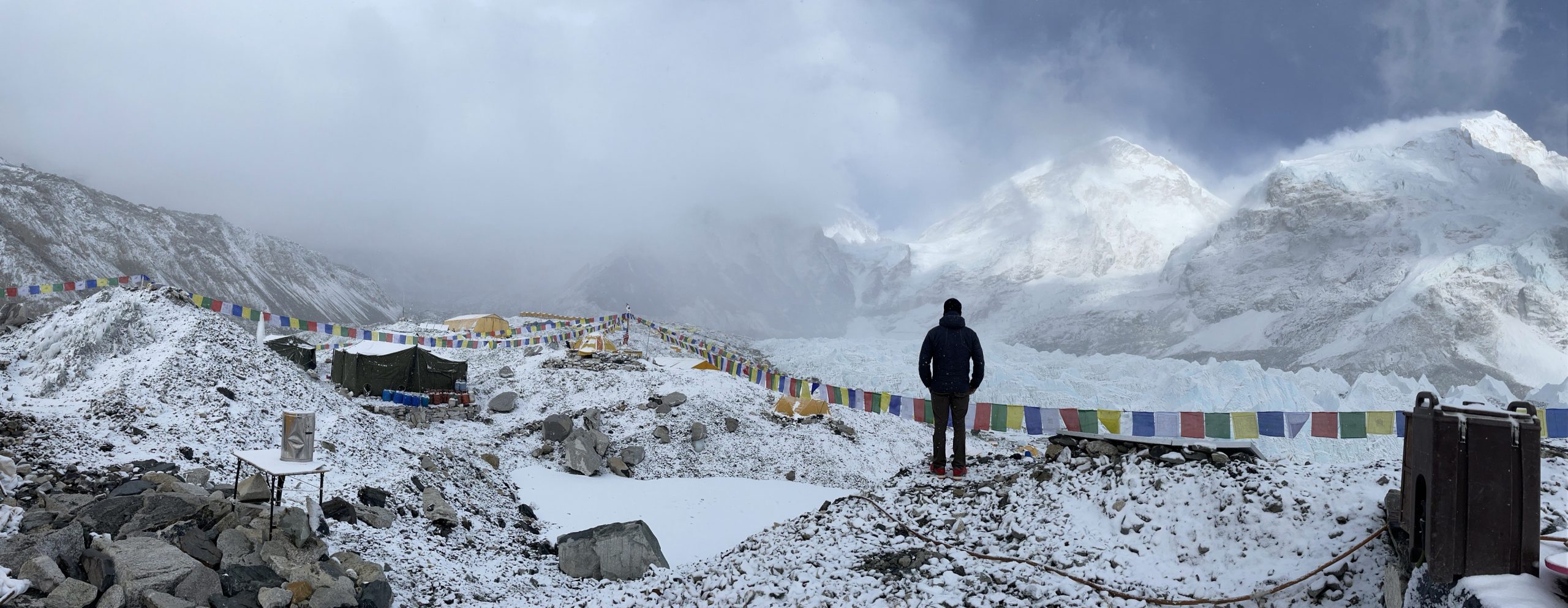
This year, the Khumbu Icefall route opening was delayed by a hanging serac that threatened the operation. The route was eventually opened through a joint effort involving experienced guides from commercial expedition teams.
Imagine Nepal and Elite Expedition led efforts to open the route through the Khumbu Icefall. Five Nepali guides first crossed unstable ice blocks to assess conditions, followed by a joint team of icefall doctors and commercial expedition guides. The route was finally opened on April 28.
Transporting logistical supplies to Camp II also took time, with some supplies flown directly by helicopter and others delivered using transport drones.
Persistent snowfall and storms briefly disrupted rope-fixing operations, raising concerns over delays and the risk of congestion on the mountain.
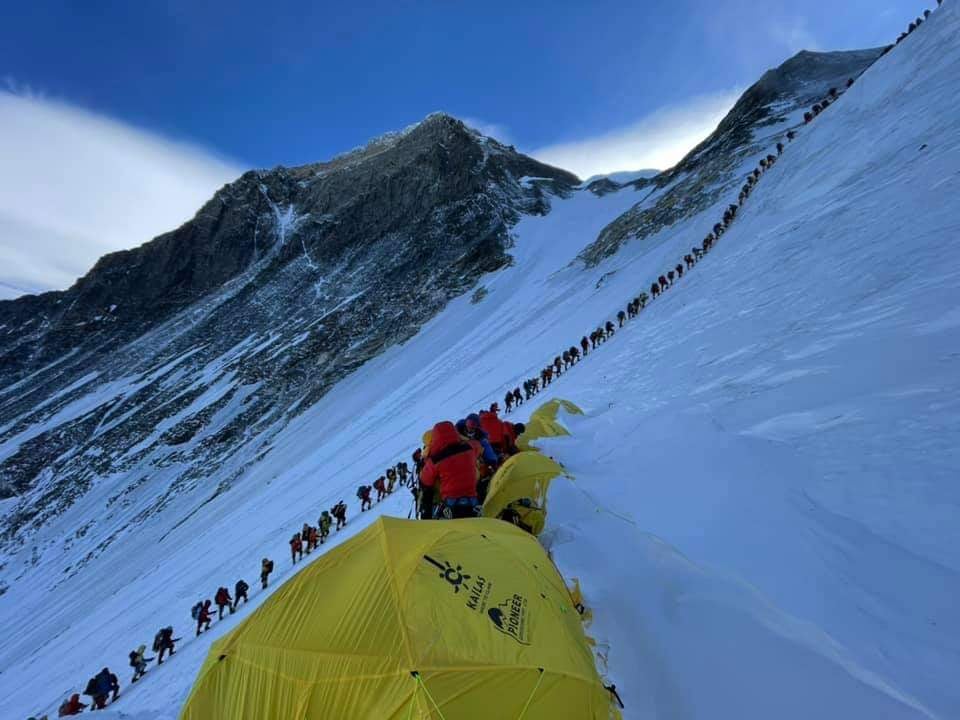
The government has issued a record 492 climbing permits this season, meaning more than 1,000 climbers and guides are expected to attempt the ascent. However, the weather window for summit attempts remains limited.
The first favourable weather window is expected between May 13 and 16, after which conditions are forecast to deteriorate.
Pressure mounted on commercial expedition teams to complete the rope-fixing work quickly. Veteran climber Mingma Gyalje Sherpa, widely known as Mingma G, led the push by mobilising his team to accelerate operations. EOAN members later joined the team from Imagine Nepal, enabling ropes to be fixed to the summit within a week — a rare achievement on Everest.
Responding to concerns that the rapid operation could increase risks, Mingma G said delays in opening the route could prove even more dangerous.
“If the route to the summit isn't opened on time, the consequences become far more dangerous. A delay leads to overcrowding, which has caused many deaths in the past,” he said.
He said bottlenecks near the summit could cause climbers to run out of oxygen, attempt risky overtaking manoeuvres and suffer prolonged exposure to extreme cold and wind, increasing the risk of fatalities.
“By acting quickly and efficiently to open the route, Imagine Nepal effectively gave more than 1,000 climbers on Everest enough time to summit safely,” he said.
“We are delighted to share that our fixing team from EOAN have successfully opened the route to the top of the world,” said Pemba Sherpa, EOAN’s rope-fixing coordinator. He said climbers should ignore rumours surrounding the operation, adding that EOAN had been officially authorised by the Department of Tourism to carry out the rope-fixing work, and the EOAN did it.
Many foreign climbers are now following the Nepali rope-fixing team in their summit attempts on Everest.
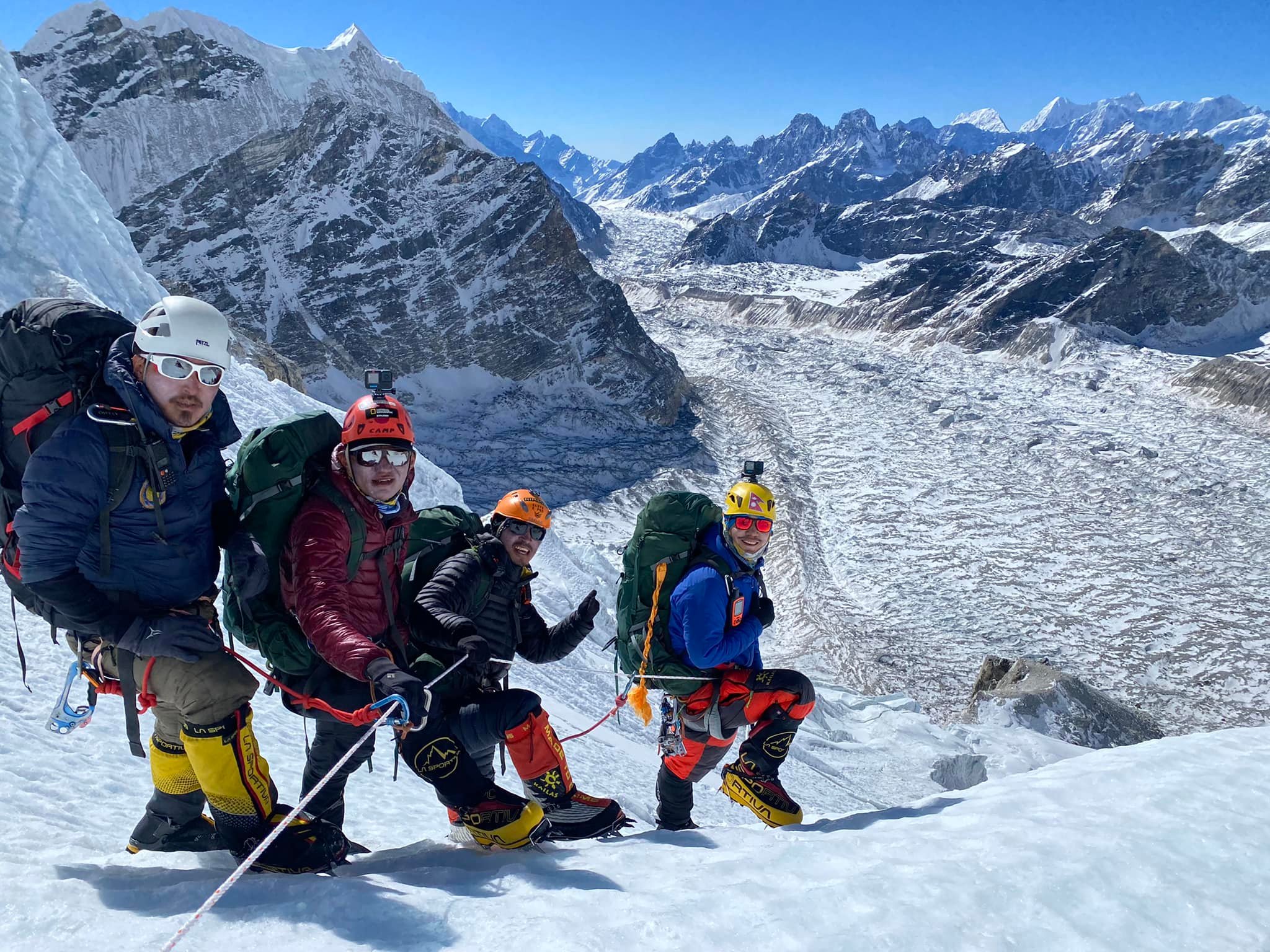
Many climbers have already acclimatised on smaller peaks in the Khumbu region, including Lobuche, Mera Peak and Island Peak. Climbers typically spend weeks at high altitude and complete acclimatisation rotations, climbing as high as Camp II or Camp III before returning to base camp.
The rope-fixing team opened the route above the Balcony on Tuesday before making the final summit push early Wednesday, according to Mingma G.
The EOAN joint rope-fixing team was led by experienced climber Mingma Tenje Sherpa. Team members included Mingma Tenji Sherpa, Pasang Dorchi Sherpa, Pasang Tenjing Sherpa, Lobsang Bhote, Chhawa Tenji Sherpa, Mingma Nuru Sherpa, Pasang Tashi Sherpa, Furtenji Sherpa, Guru Bhote, Mistoba Sherpa, Pasang Nuru Sherpa, Dendi Sherpa, Pasangdoma Sherpa, Phura Namgya Sherpa, Pasang Ngima Sherpa and Ila Sherpa.
Swedish climbers Hakon Andreas Hyttedalen and Hanne Nicole Briedis Hyttedalen, along with Chinese climber Li Yitong, reached the summit on Wednesday shortly behind the rope-fixing team. They were accompanied by Nepali guides Lakpa Tamang, Dawa Tenjing Sherpa and Lhakpa Nuru Sherpa.