Drone images cast doubt on scale of Manaslu avalanche
Two climbers were killed after their tent was buried at Camp III, but aerial photographs suggest the slide was a relatively small slab avalanche

PC: Mingma G
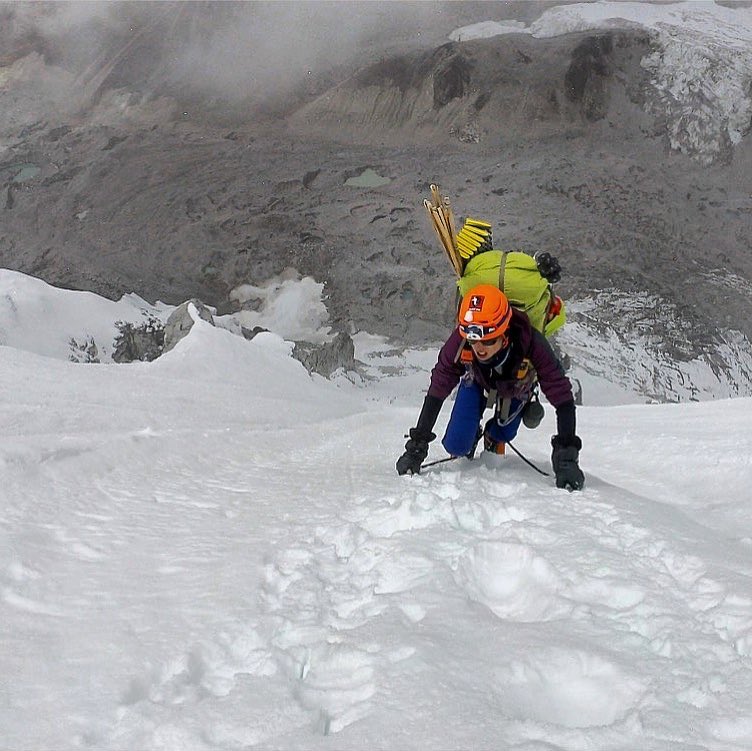
Questions have been raised over the scale of the avalanche that killed two climbers on Mount Manaslu after drone imagery appeared to show a relatively small slab avalanche rather than a large slide sweeping across the mountain.
The Indian-German climber Dhruba Jyoti Guha and his Nepali guide, Phursemba Sherpa, were found dead in their tent at Camp III after heavy snow buried the shelter. Four Sherpa climbers dug them out and moved the bodies to a safe location to await recovery.
Expedition organisers described the incident as an avalanche that buried the climbers’ tents. The two had moved to Camp III with part of their team, leaving six members at lower altitude.
The deaths have prompted renewed concern over the safety of the autumn expedition, as meteorologists monitor a developing weather system in the Bay of Bengal that could alter weather patterns across South Asia between September 23 and 25.
The system has yet to develop fully, however, and forecasters say it is too early to determine whether it will affect Nepal’s high mountains.
Drone imagery taken at 4.38pm on Sunday showed what appeared to be a small area of disturbed snow above Camp III.
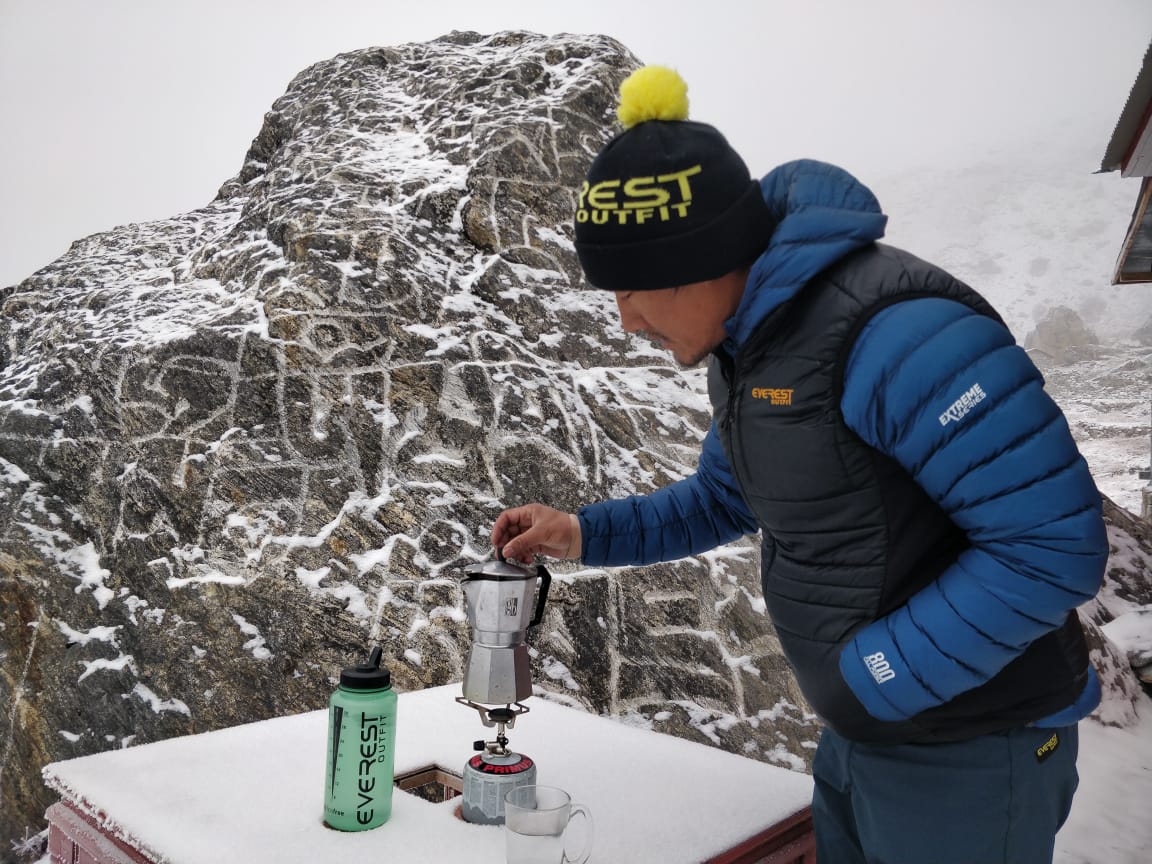
“It was a small slab avalanche, but the media made it into bigger news,” said Mingma Gyalje Sherpa, a veteran mountaineer known as Mingma G, who was at base camp.
A separate avalanche occurred in the same area on September 16 as a rope-fixing team was preparing for a summit push from Camp III. The late-afternoon slide forced the team to retreat, but the route was fixed to the summit on a subsequent attempt.
Krishna Bhakta Manandhar, a veteran mountain meteorologist in Nepal, said the heavy snowfall that began on Friday and continued through Sunday was associated with a western disturbance rather than the developing system in the Bay of Bengal.
“It is not linked with the cyclone, which has not yet developed, so it is too early to predict whether it could affect Nepal’s high mountains,” he said.
Manandhar said conditions should remain suitable for climbing before September 23, with another potentially favourable window after September 25.
Manaslu, the world’s eighth-highest mountain, can normally be climbed into the second week of October. Manandhar, who spent decades forecasting mountain weather in Europe, said the amount of snow was not necessarily the decisive factor in assessing climbing conditions.
“Light snow does not affect the ascent,” he said. “It is the wind that determines whether the climb is safe.”
Despite the deaths, some teams at base camp began moving towards higher camps on Sunday, Nepali guides said, hoping to take advantage of an improvement in conditions forecast between September 21 and 23.
There could be a number of summit attempts before any deterioration associated with the Bay of Bengal system, depending on its development and track.
The deaths of Guha and Phursemba bring the number of fatalities during this autumn’s Manaslu season to four. Earlier, Lau Wee Seng, a 50-year-old climber from Singapore, died while descending from Camp II, while Tashi Sherpa, a local porter and kitchen worker, was found dead in his tent at base camp.
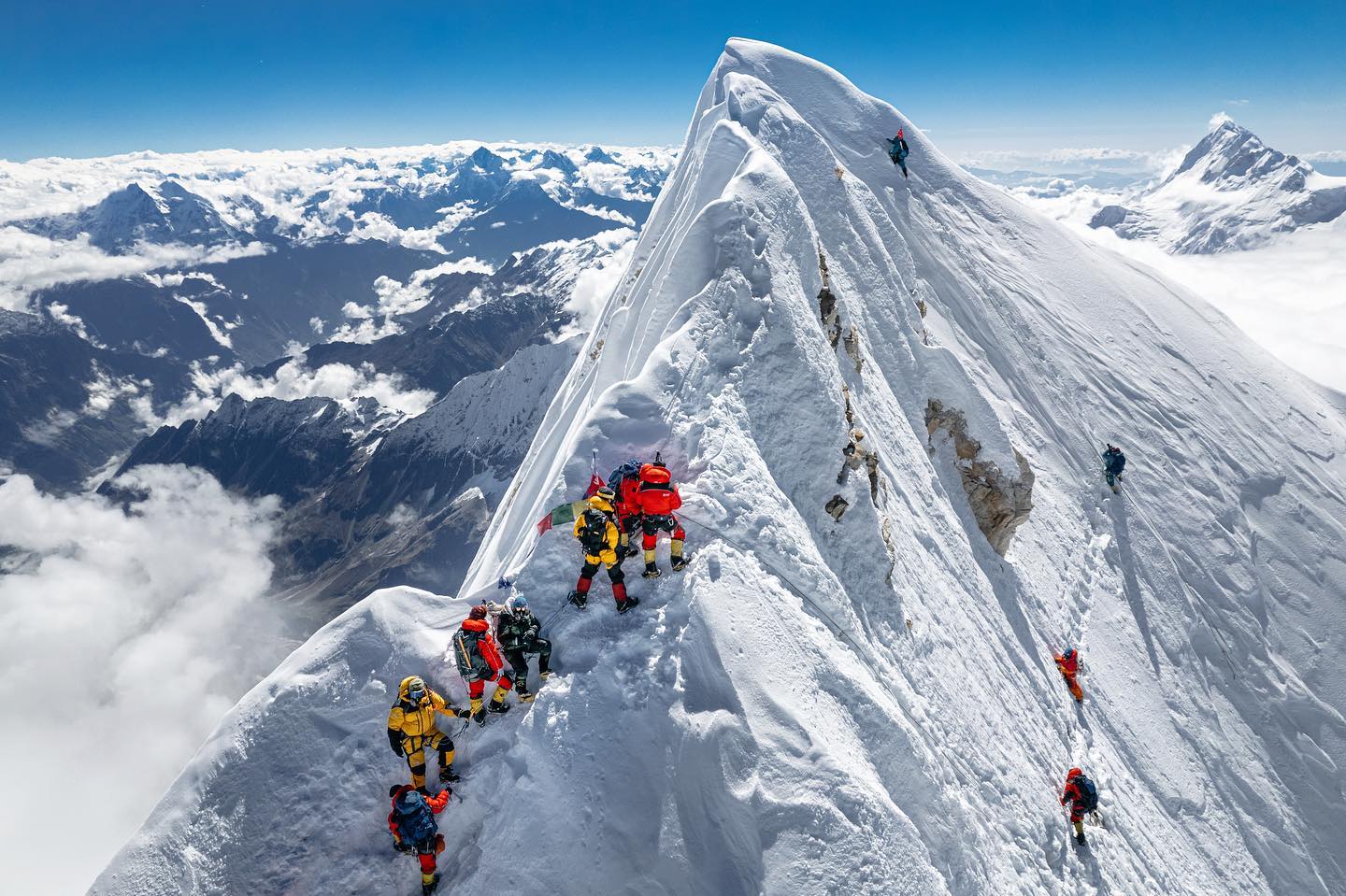
Manaslu has attracted a record 493 foreign climbers this autumn, accompanied by more than 500 Nepali guides and support staff.
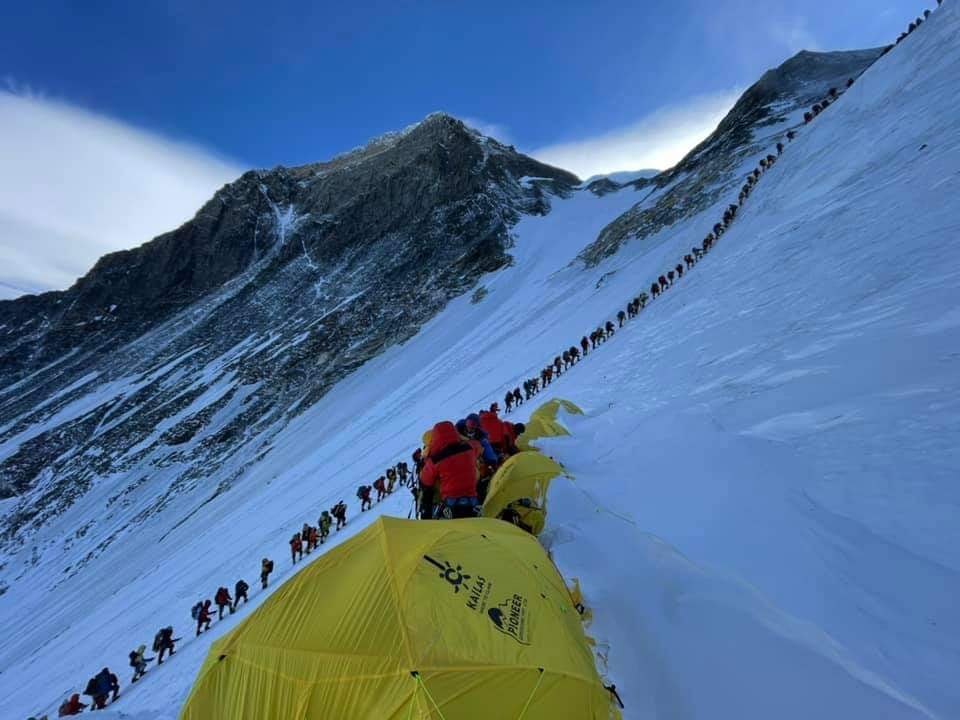
The numbers have also raised concerns about congestion on the mountain, particularly if a short weather window forces large numbers of climbers towards the summit at the same time.