Nepal courts Chinese tourists with Everest diplomacy
Marking the 73rd anniversary of the first ascent of the world's highest peak, Nepal used Everest Day celebrations in China to promote tourism, deepen bilateral ties and court a crucial market.
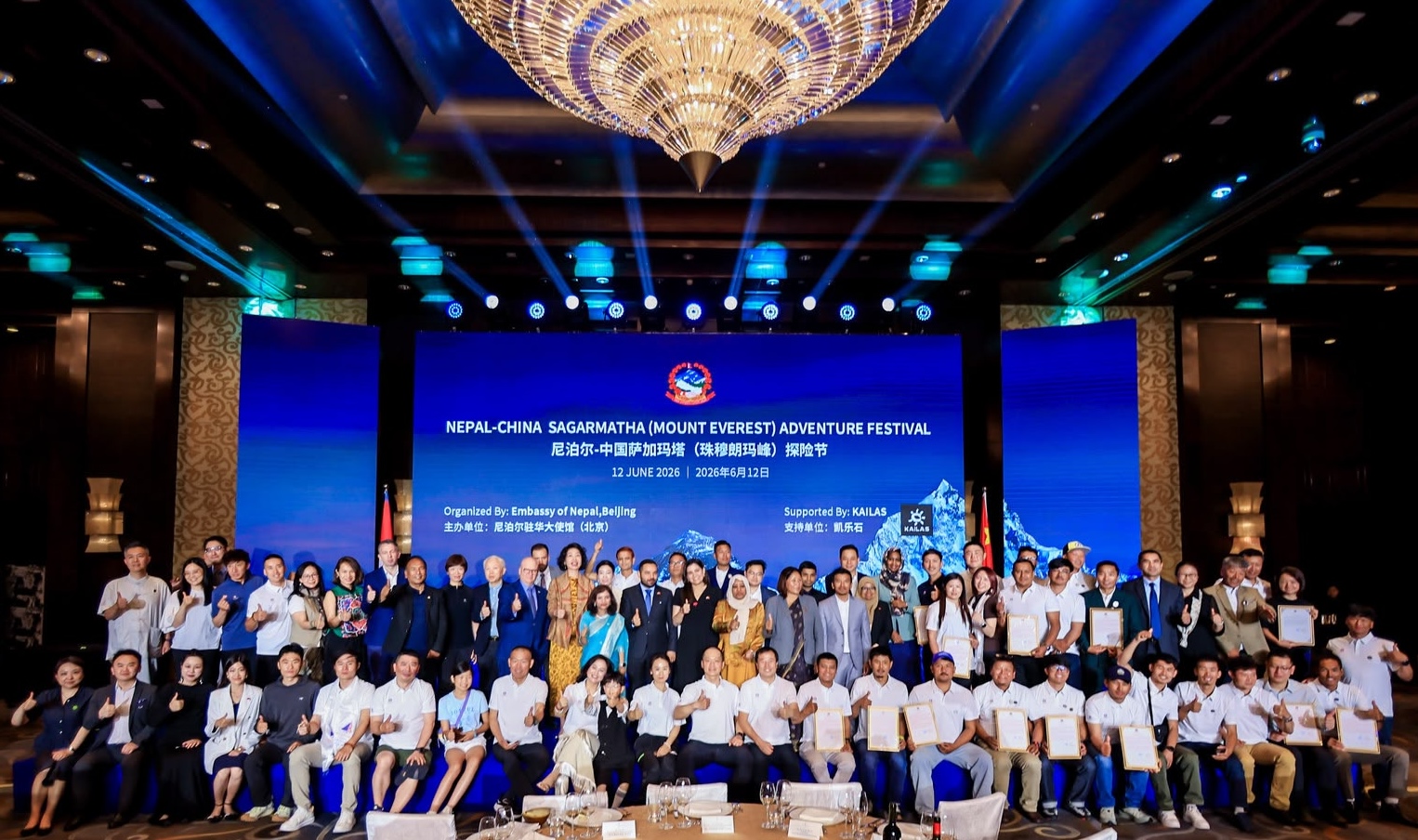
Nepal used the anniversary of the first ascent of Mount Everest to make a familiar pitch: that the world's highest mountain remains one of its most valuable diplomatic and economic assets.
At a tourism and mountaineering festival held in Beijing on June 12th, Nepali officials, climbers and tourism entrepreneurs gathered to celebrate Everest Day and promote closer cooperation with China, one of Nepal's most important tourism markets. The event, branded the Nepal-China Sagarmatha (Mount Everest) Adventure Festival, marked the 73rd anniversary of the historic 1953 summit by Edmund Hillary and Tenzing Norgay.
Roshan Khanal, Nepal's chargé d'affaires in Beijing, described Everest as both a symbol of adventure and a bridge between the two Himalayan neighbours. In a video address, Khadak Raj Paudel, Nepal's tourism minister, stressed the need to protect mountain ecosystems while promoting sustainable tourism.
The celebration carried an economic message as much as a ceremonial one. Nepal's tourism industry, a crucial source of foreign exchange, has been working to attract more Chinese visitors after pandemic-era disruptions. Officials and business leaders used the gathering to showcase Nepal's trekking and mountaineering opportunities and encourage greater cross-border tourism.
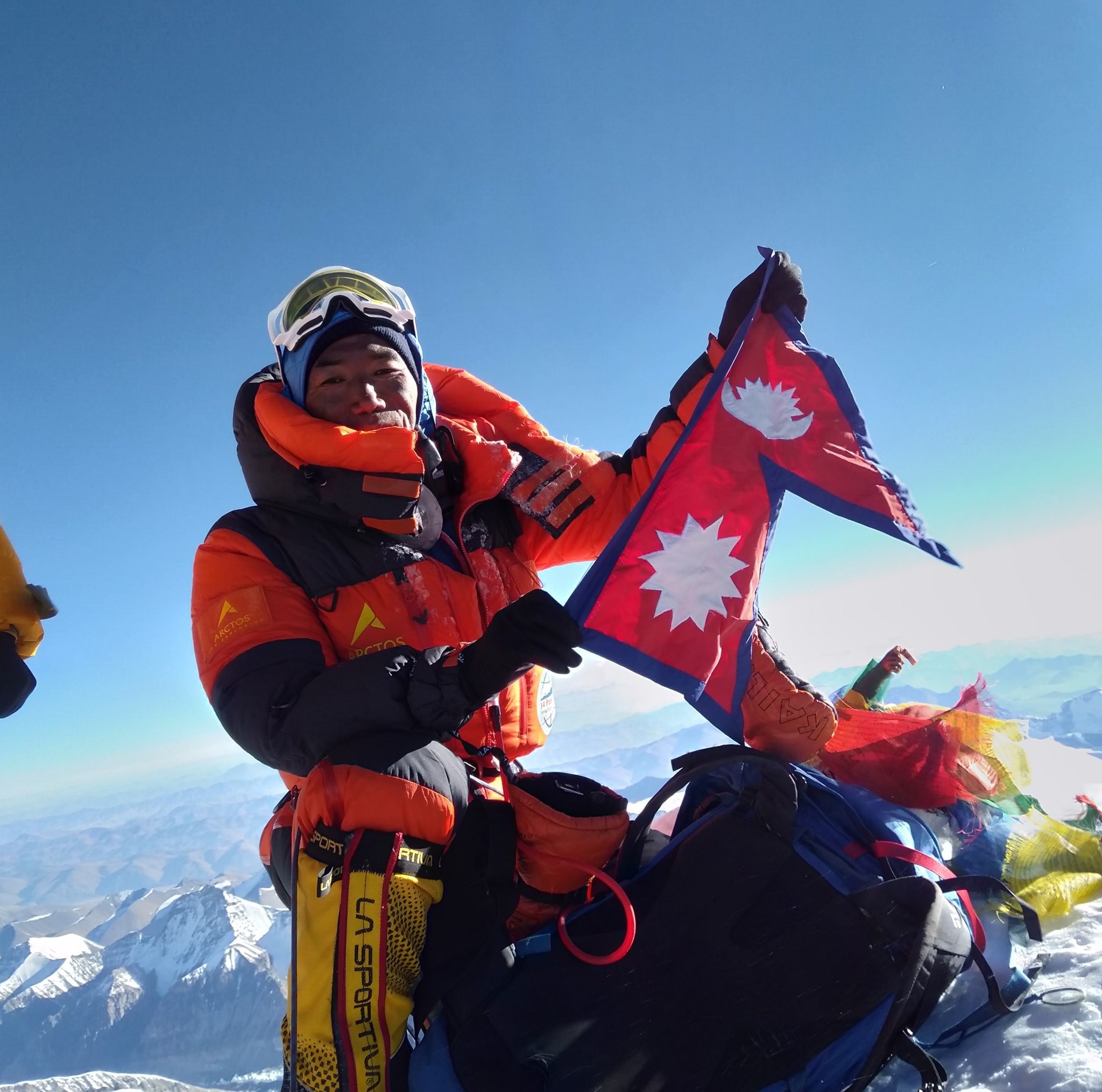
Mingma Gyabu Sherpa, a lawmaker and Everest summiteer, highlighted Nepal's untapped tourism potential, while Fur Gelje Sherpa, president of the Nepal Mountaineering Association, called for deeper cooperation between the two countries in promoting Himalayan adventure tourism.
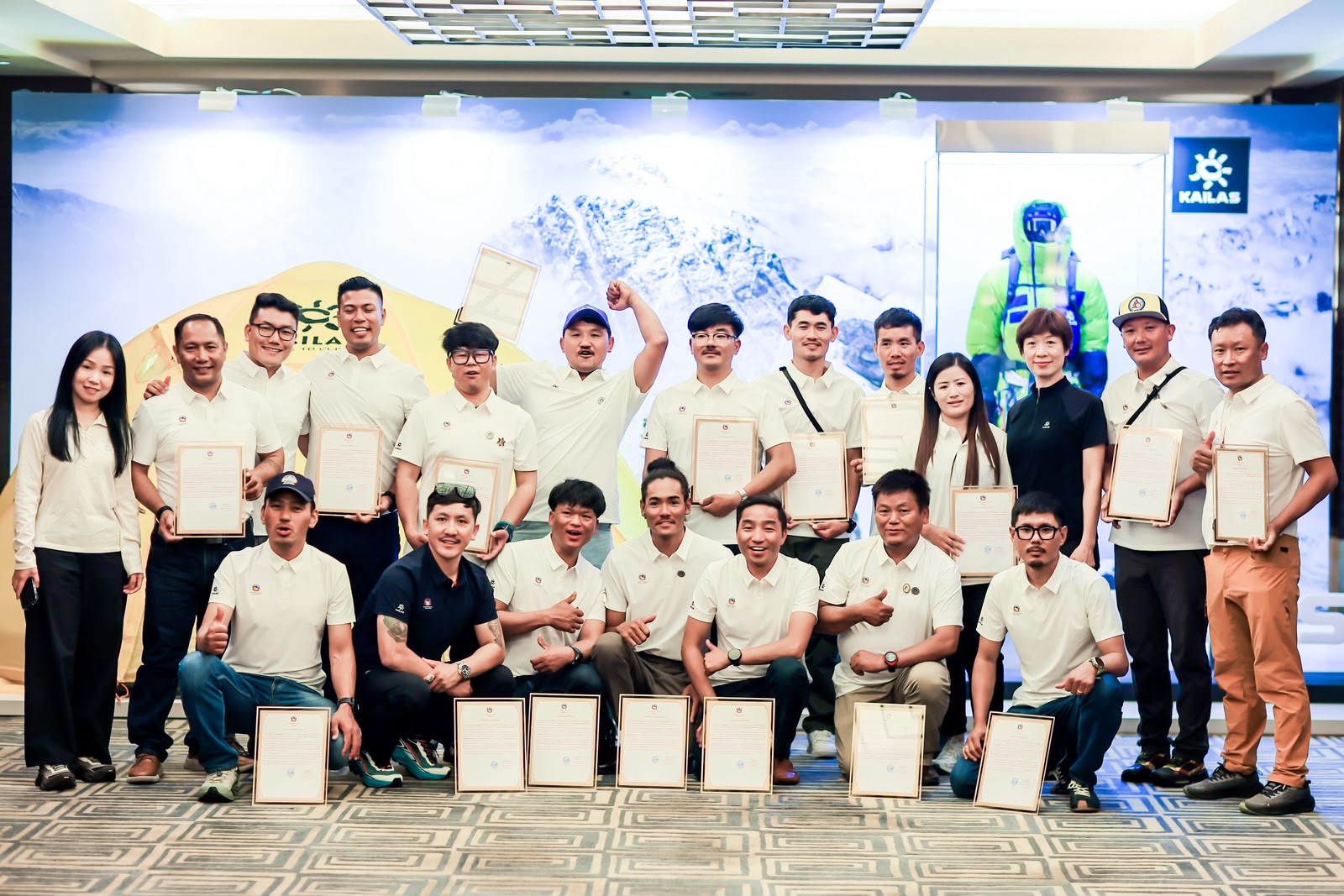
More than 50 Everest climbers from Nepal and China were honoured during the programme. A business networking session held a day earlier brought together tourism operators from both countries in an effort to expand commercial partnerships.
The gathering attracted around 200 participants, including diplomats, government officials, tourism executives and members of the Nepali community in China. Beyond the speeches and celebrations, the event underscored Nepal's enduring reliance on its mountains—not merely as natural wonders, but as instruments of diplomacy, commerce and national branding
The event also reflected a broader deepening of Nepal-China cooperation in adventure tourism. Last month, a new $30,000 award—the largest prize in Nepal's mountaineering sector—was established to recognise individuals and organisations contributing to the country's climbing industry and the welfare of Himalayan communities.
The initiative was launched by Everest Alliance, a Nepali organisation, with support from China's GoNature Outdoor Sports Group, underscoring growing commercial and international interest in Nepal's mountain economy.