BSF women scale Everest in landmark ascent
India’s Border Security Force completes its first all-women expedition to the world’s highest peak amid a season of high-profile climbs by the country’s security forces
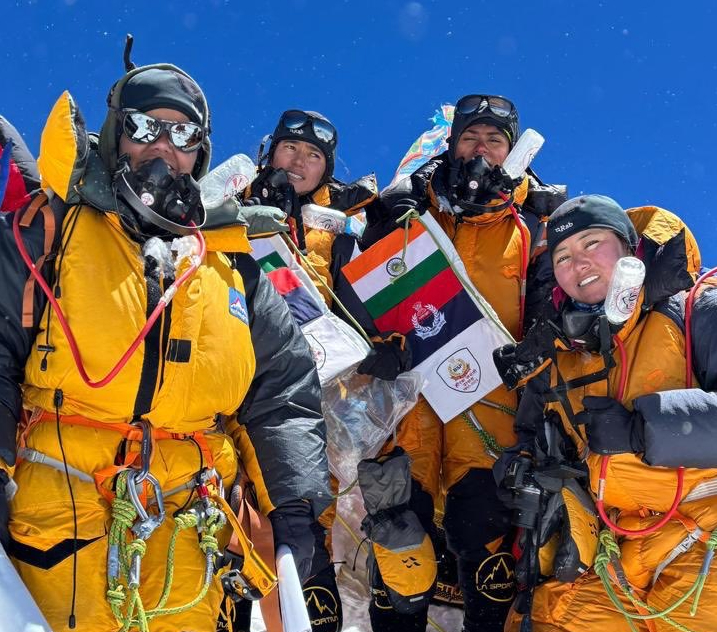
PC: BSF
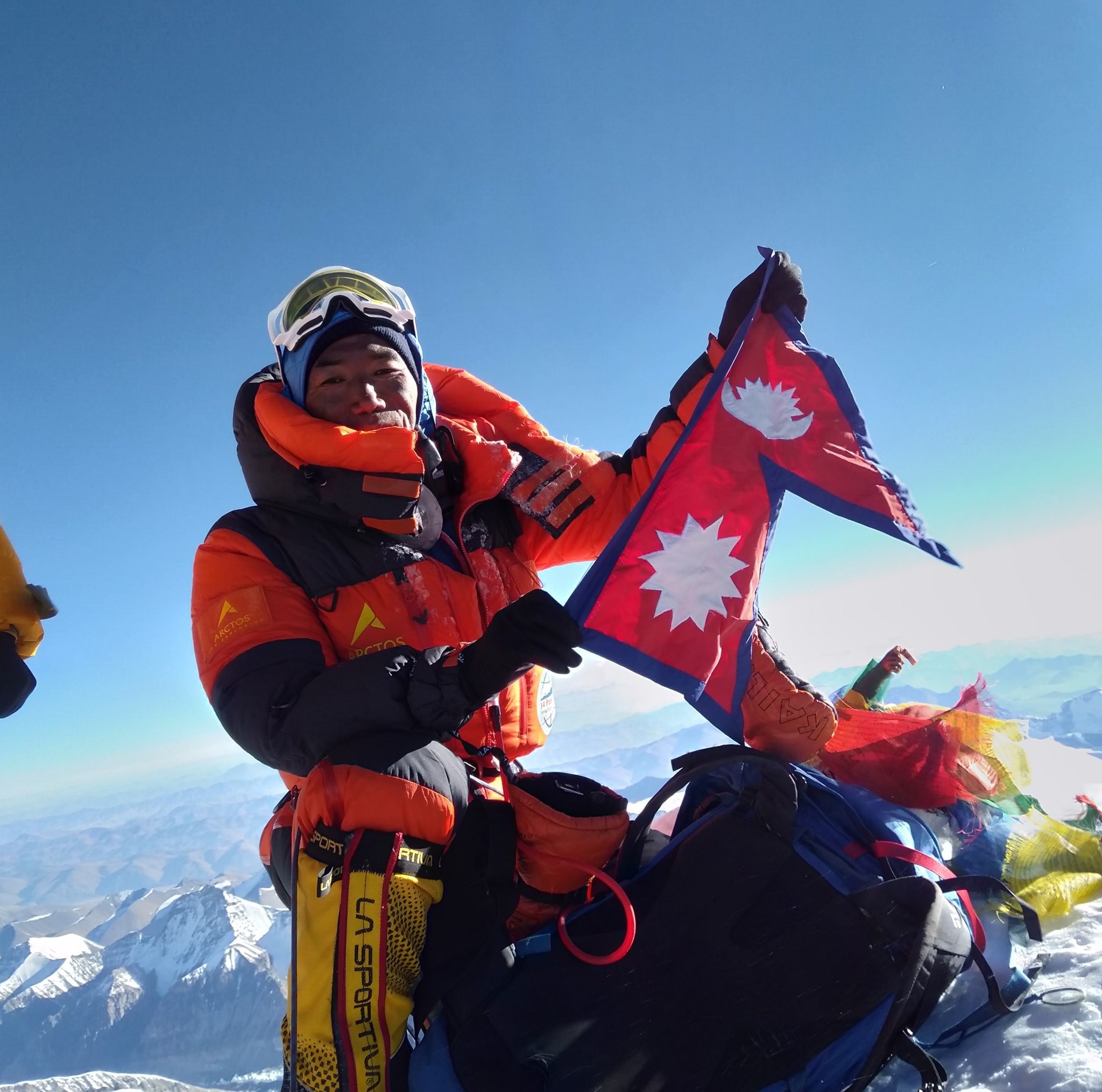
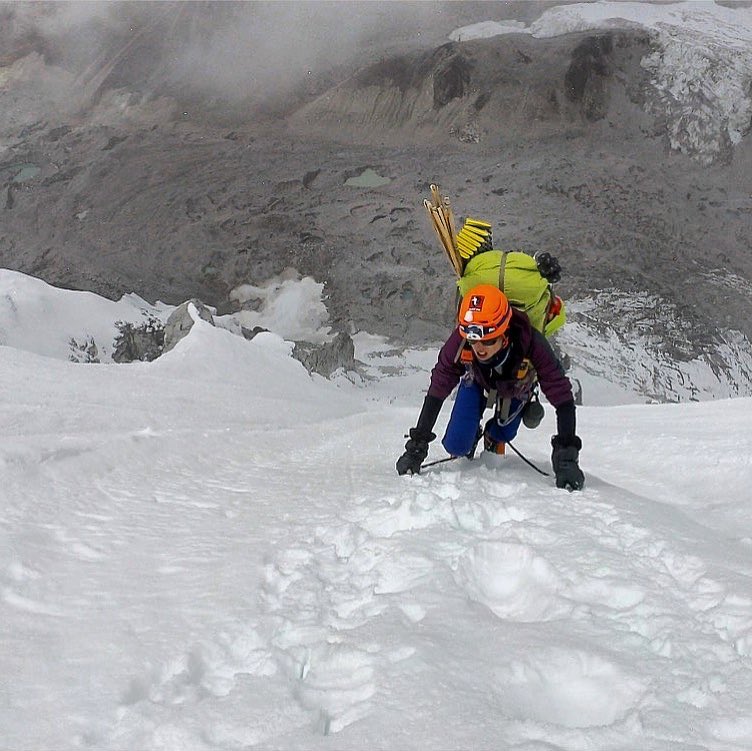
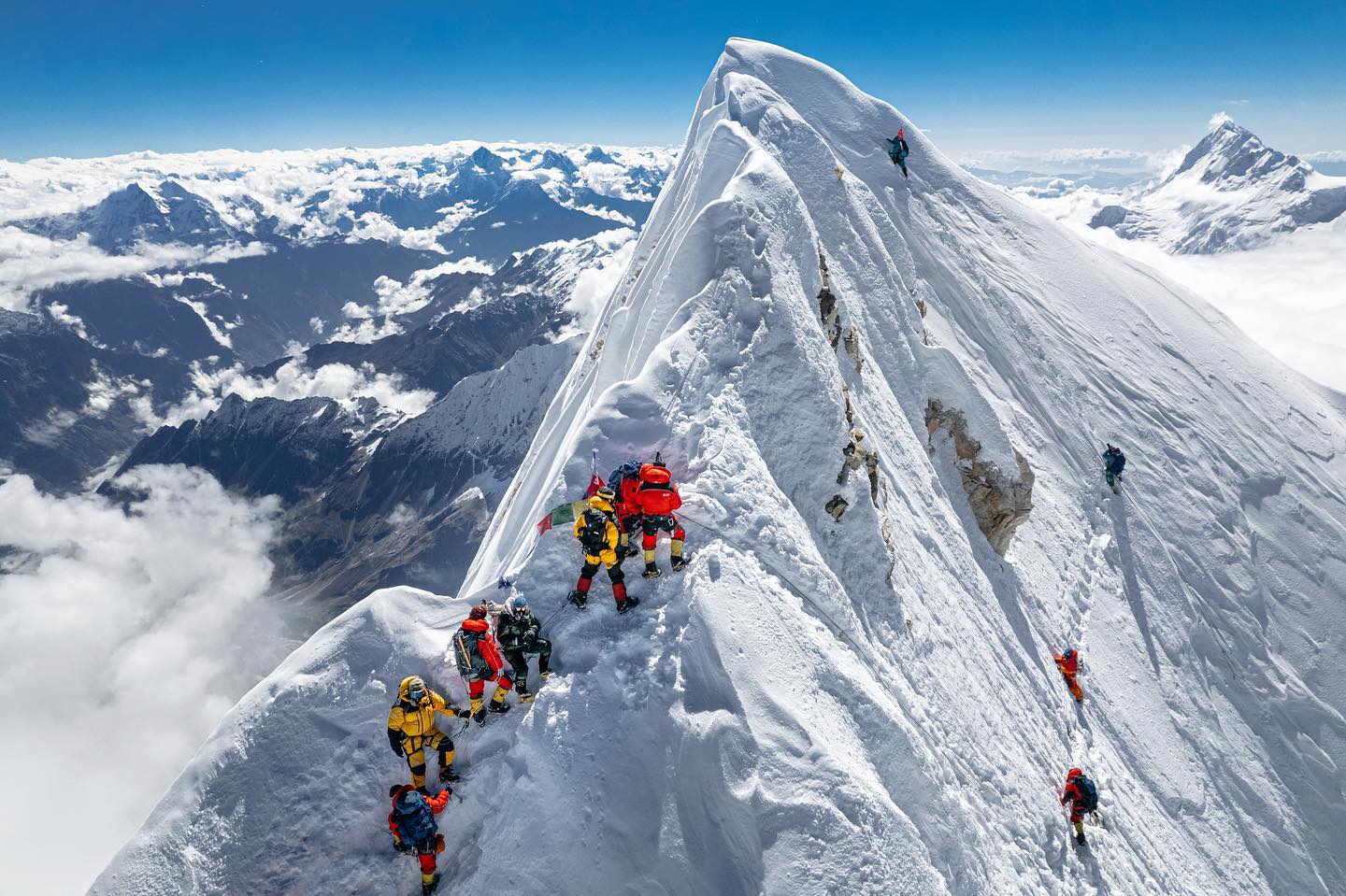
India’s Border Security Force (BSF) has quietly achieved a Himalayan first of its own. On May 21st its inaugural all-women Everest expedition reached the summit of the world’s highest mountain, joining a crowded but increasingly symbolic season of state-backed ascents from India’s security forces.
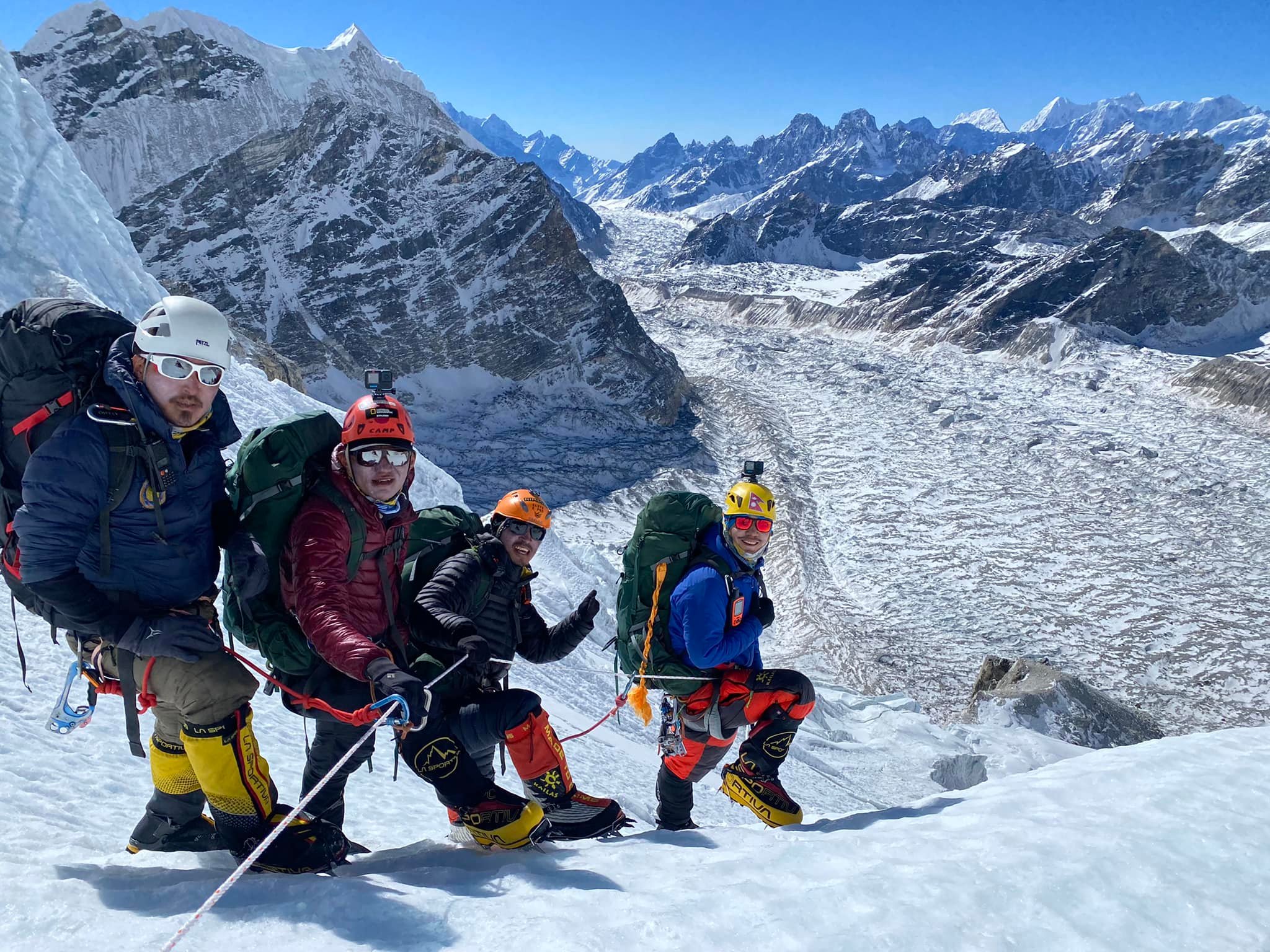
According to the expedition organiser, Asian Trekking, the team arrived on the 8,849-metre summit at around 8 a.m. Nepal time. The four-member expedition comprised Kouser Fatima from Ladakh, Munmun Ghosh from West Bengal, Rabeka Singh from Uttarakhand and Tsering Chorol from Kargil. They were supported by Nepali guides Beer Kaji Tamang, Karma Tshering Sherpa, Tenzing Sherpa and Prince Tamang.
The BSF framed the expedition as part of celebrations marking its Diamond Jubilee year, presenting the climb as a display of patriotism, endurance and women’s empowerment. At the summit, the climbers reportedly sang “Vande Mataram”, carrying a nationalist flourish into Everest’s thin air, where oxygen levels fall to a third of those at sea level.
Officials described the ascent as a landmark moment for women in India’s uniformed services, arguing that it demonstrated the growing role of female personnel in some of the world’s most physically punishing environments.
Yet the achievement received comparatively modest attention at home. On the same day, an all-women expedition from the Indo-Tibetan Border Police (ITBP) reached the summit and attracted wider media coverage. Days later, a team of ten commandos from India’s National Security Guard (NSG), the elite counter-terrorism unit known as the “Black Cats”, drew headlines after completing a notably swift 20-day Everest round trip from Kathmandu.
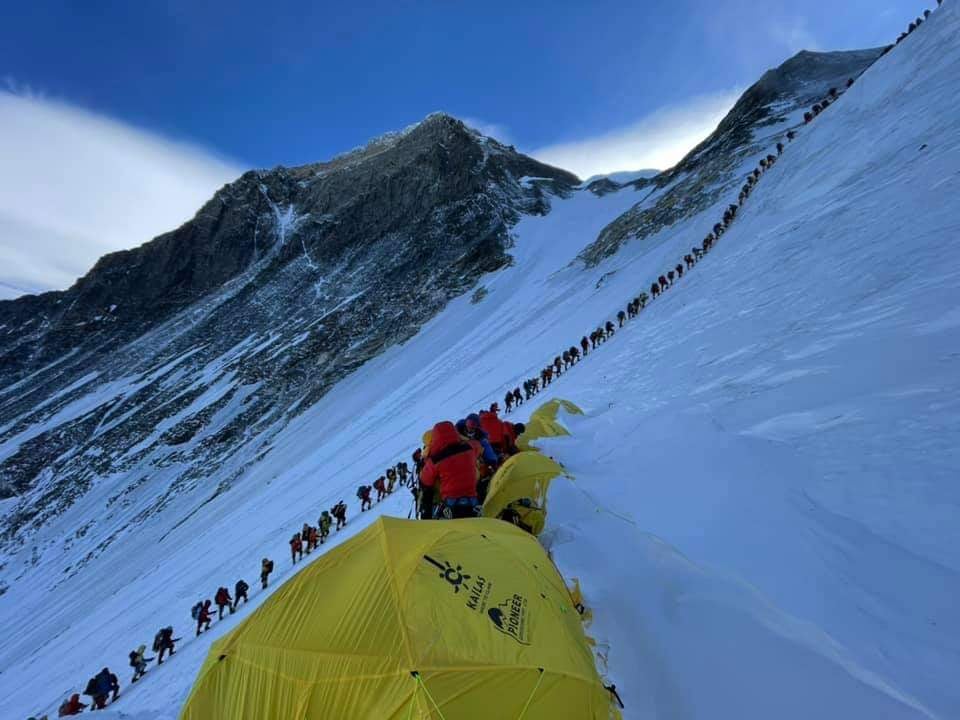
The clustering of such expeditions reflects how Everest has become more than a mountaineering challenge for India’s security institutions. Increasingly, the mountain serves as a stage on which competing forces project discipline, prestige and national ambition—while also showcasing the expanding presence of women within their ranks.