Andrew Ushakov sets world record by climbing Everest from sea level in under 4 days
With no full-time athletic background and a recent shoulder injury, Andrew Ushakov shatters records by scaling Everest from sea level in under 4 days—proving that determination, not profession, defines possibility.

PC: Bidhan Shrestha/Elite Exped
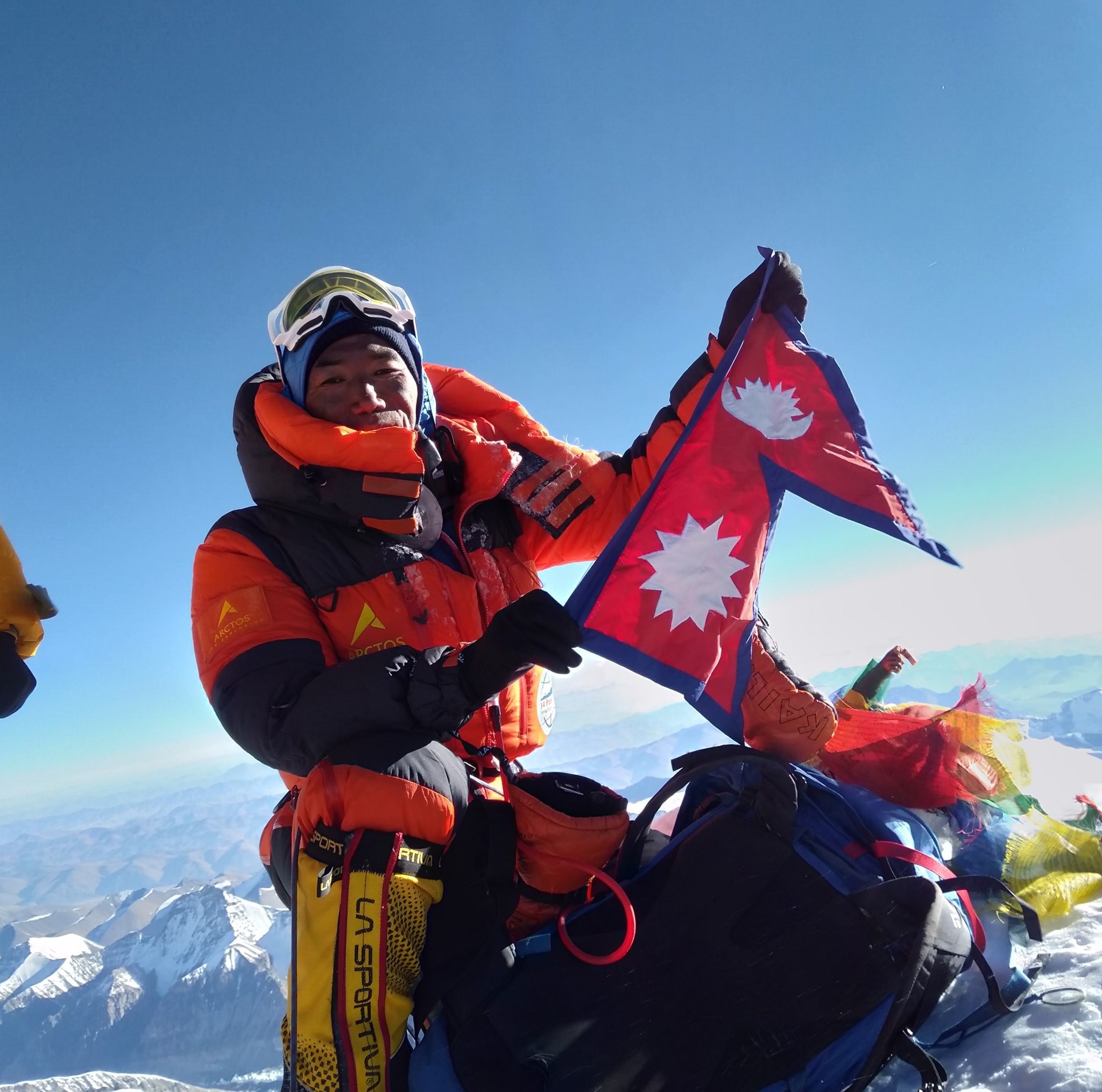
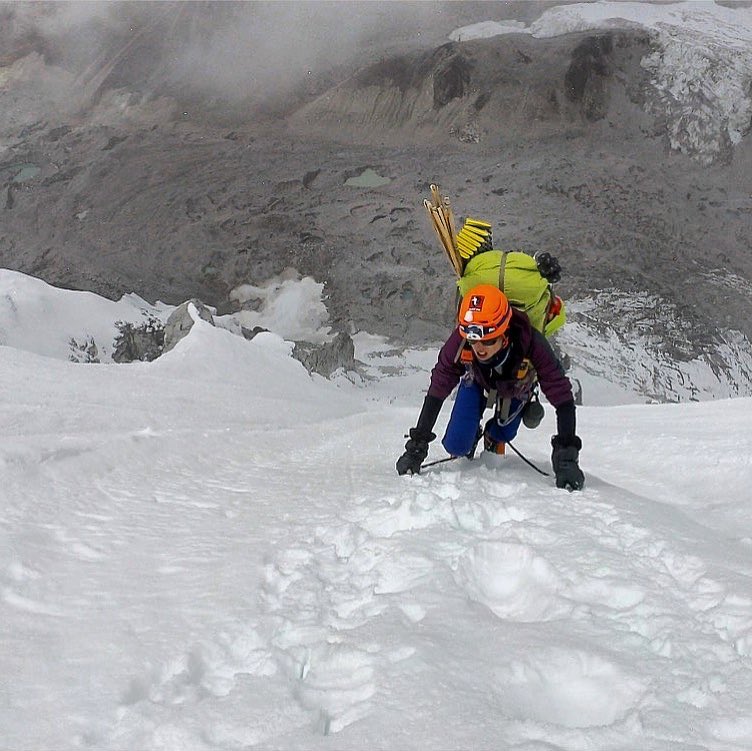
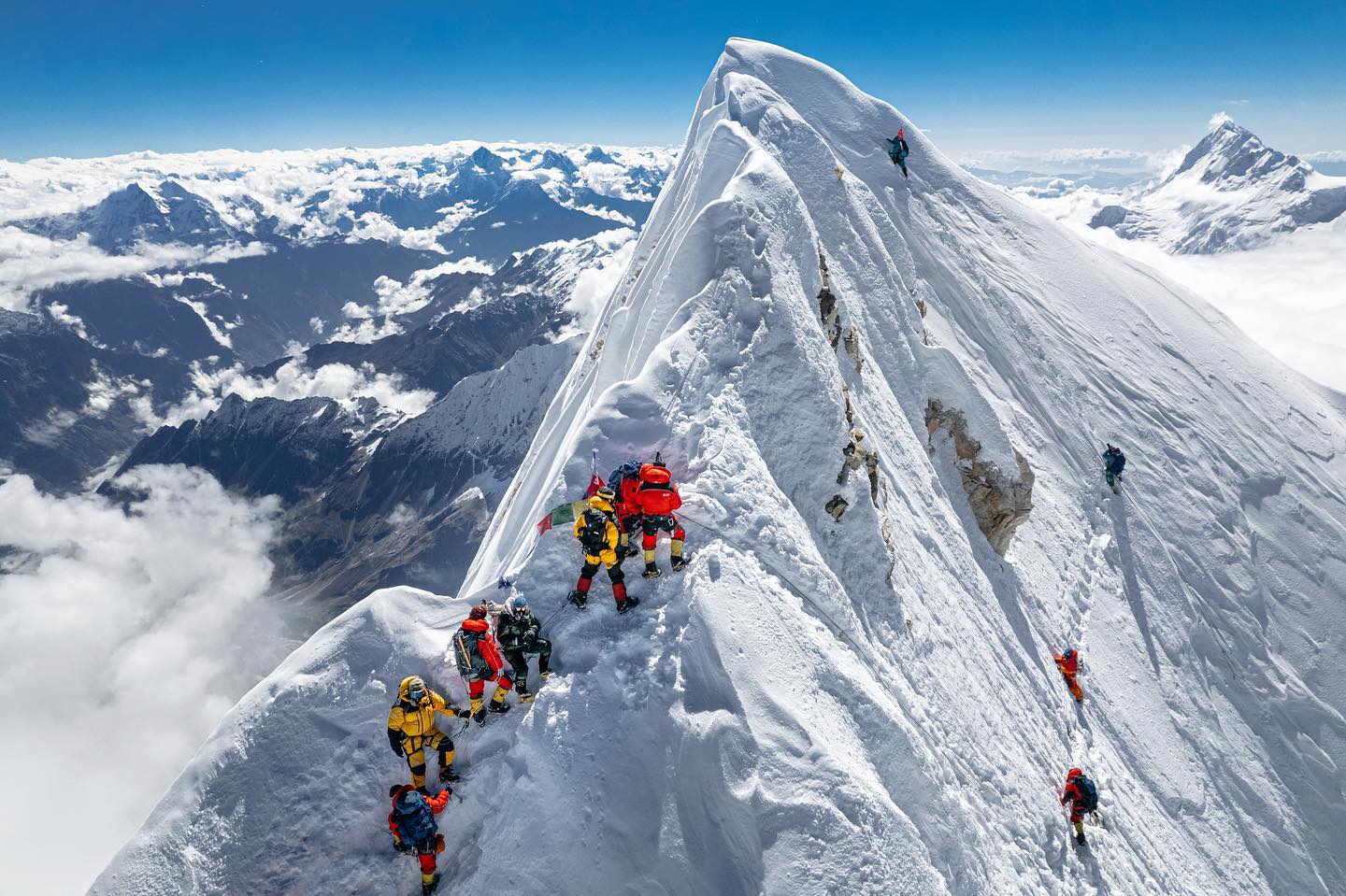
Climber Andrew Ushakov has set a new world record by reaching the summit of Mount Everest from sea level in just 3 days, 23 hours and 7 minutes, the expedition company Elite Exped announced.
The announcement coincided with the successful summit of four British former Special Forces soldiers—Garth Miller, Alastair Carns, Anthony Stazicker, and Kev Godlington—who reached the top of Everest in less than a week after departing from London. The team was part of a speed expedition led by Austrian guiding company Furtenbach Adventures.
The difference is that Andrews trained using hypoxic tents, while the four soldiers also used xenon gas inhalation as part of their preparation for the record-speed summit.
Ushakov began his journey from New York at 12:30 a.m. on May 15, flying to Kathmandu and then taking a helicopter to Everest Base Camp before beginning his ascent. He reached the summit of the world’s highest mountain at 9:22 a.m. (Nepal time) on May 19, completing the feat in under four days—a journey that typically takes over 50 days due to the need for acclimatization.
To prepare for the challenge, Ushakov underwent over 400 hours of hypoxic training in a simulated low-oxygen environment. For the climb from Base Camp to the summit, he used bottled oxygen.
Ushakov, who only began mountaineering in 2020, is not a full-time athlete but a father and business owner, according to Elite Exped, the company founded by renowned climber Nimsdai Purja. Months before the challenge, Ushakov reportedly suffered a shoulder injury in an avalanche, but continued to pursue the goal with medical supervision and enhanced safety protocols.
“I’m ecstatic, although physically exhausted, to have achieved what many people in the mountaineering world said was impossible – to speed climb Everest without acclimatization. I hope this shows that you don’t have to be a professional athlete or a full-time adventurer to do something extraordinary," he said on his site.
While hypoxic tents have long been used as a training tool, their effectiveness varies from person to person. For instance, an American doctor who spent months training in hypoxic tents in preparation for a record-speed Everest attempt this season was forced to turn back at Camp II.
However, for many busy individuals, hypoxic training remains a valuable option.
"You can hold down a job, raise a family, and still accomplish something that pushes the limits of what you thought was possible. I did this as a regular guy, with a broken arm and a dream. This is for the 99% of people out there who think big goals are off limits. My message is that if you want to achieve your dreams—even if everyone else says it's impossible—just give it a try," said Andrew Ushakov.
As part of their environmental commitment, Ushakov and his team removed waste from the camps during their descent.
Meanwhile, at Everest Base Camp, two climbers—Tyler Andrews and Karl Egloff—are currently waiting for a favorable weather window to begin their summit push. Both aim to set a speed record from Base Camp to the summit without the use of supplemental oxygen.